Art and Culture Artists and Influence

10+ Famous Artists and Their Iconic Signature Styles You Should Know

Claire Morgan
4.6
April 08, 2026

Art is not just about what is painted on the canvas, it is also about the personality, identity, and unmistakable presence of the artist behind it. Many of history’s greatest creators became icons not only because of their work but also due to their unique personal styles. From bold fashion choices to physical features they proudly embraced, these artists turned themselves into living extensions of their art, making their image just as memorable as their masterpieces.

When Identity Becomes Art

Throughout history, artists have blurred the line between life and creativity. Their appearance, habits, and even quirks often reflected the same philosophy found in their work. In many cases, these signature styles were not accidental, they were carefully cultivated expressions of individuality. Whether challenging societal norms or amplifying their artistic voice, these elements became inseparable from their legacy, shaping how audiences perceive both the artist and their creations.
1. Salvador Dalí – The Iconic Mustache
© Pinterest simplelife

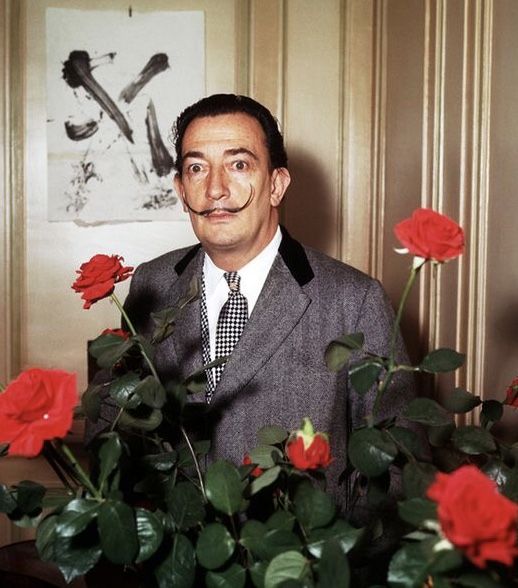
1. Salvador Dalí – The Iconic Mustache

Dalí’s dramatic, upward-curled mustache became as surreal as his paintings. It was a deliberate statement of eccentricity and theatrical flair, perfectly matching his imaginative world. His appearance was almost performative, turning everyday life into an extension of his art. The mustache became a visual signature, instantly linking him to the surrealist movement.

Creator / Artist – Salvador Dalí, a leading figure in Surrealism

Year / Time Period – Early to mid-20th century

Origin / Location – Spain, later active in France and the United States

Historical Context – Surrealism was challenging rational thought and embracing the subconscious

Significance / Impact – Reinforced the idea of the artist as a living artwork

Interesting Fact – Dalí once claimed his mustache was inspired by 17th-century painter Diego Velázquez

2. Frida Kahlo – The Unibrow and Floral Crown
© Pinterest Explore Art with Wardnasse

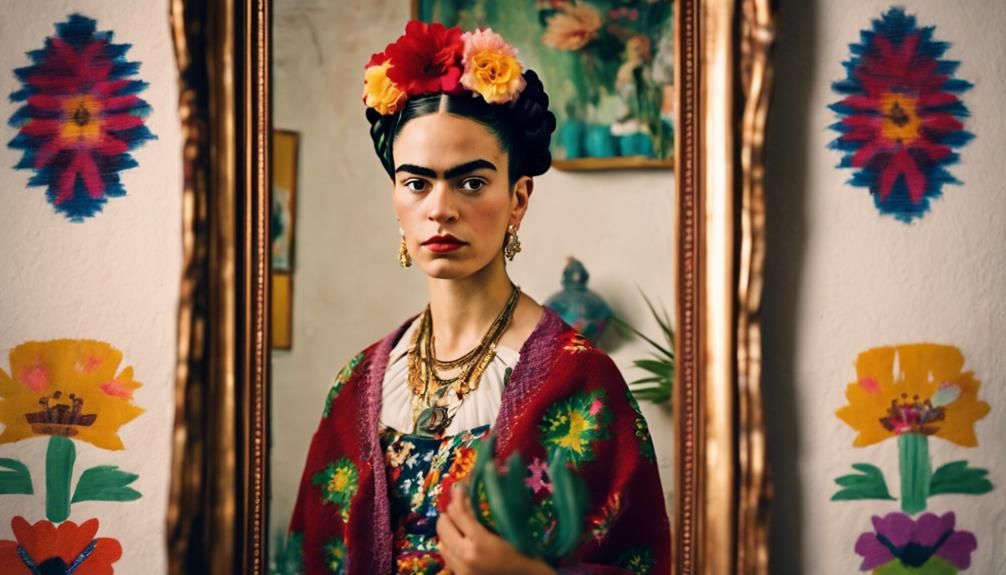
2. Frida Kahlo – The Unibrow and Floral Crown

Kahlo embraced her natural unibrow and often highlighted it in her self-portraits. Combined with vibrant floral headpieces and traditional Mexican attire, her look became a bold statement of identity. She rejected Western beauty standards, choosing instead to celebrate authenticity. Her style reflected both cultural pride and personal resilience.

Creator / Artist – Frida Kahlo, known for deeply personal self-portraits

Year / Time Period – Early 20th century

Origin / Location – Mexico

Historical Context – Post-revolutionary Mexico encouraged national identity and cultural pride

Significance / Impact – Became a symbol of self-expression and feminist empowerment

Interesting Fact – Kahlo used her appearance to challenge conventional definitions of beauty

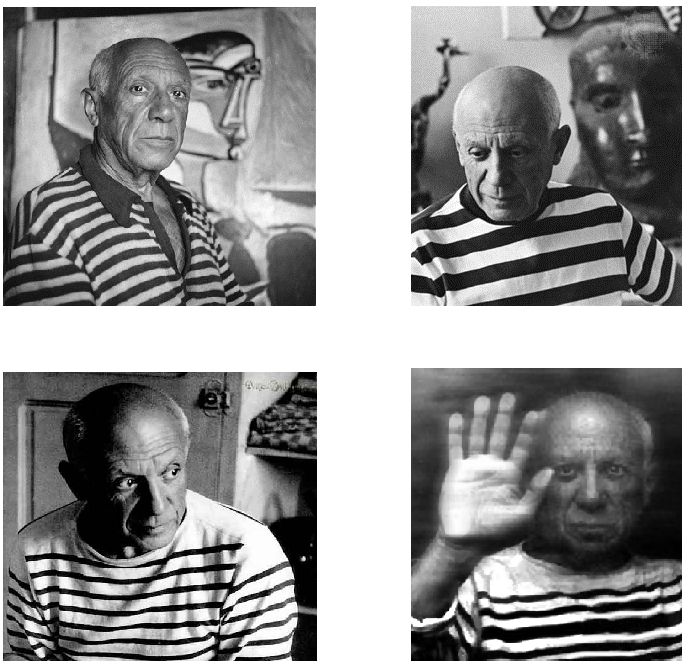
3. Pablo Picasso – The Striped Shirt
© Pinterest Beatrix Ransibrahmanakul

3. Pablo Picasso – The Striped Shirt

Picasso’s fondness for Breton striped shirts became an understated yet iconic look. Unlike flamboyant artists, his style was simple but consistent. It reflected his modern, ever-evolving approach to art. The stripes became associated with creative genius and intellectual rebellion.

Creator / Artist – Pablo Picasso, pioneer of Cubism

Year / Time Period – Early to mid-20th century

Origin / Location – Spain and France

Historical Context – Rise of modern art movements like Cubism

Significance / Impact – Linked minimal personal style with revolutionary creativity

Interesting Fact – The Breton shirt later became a staple among creative professionals

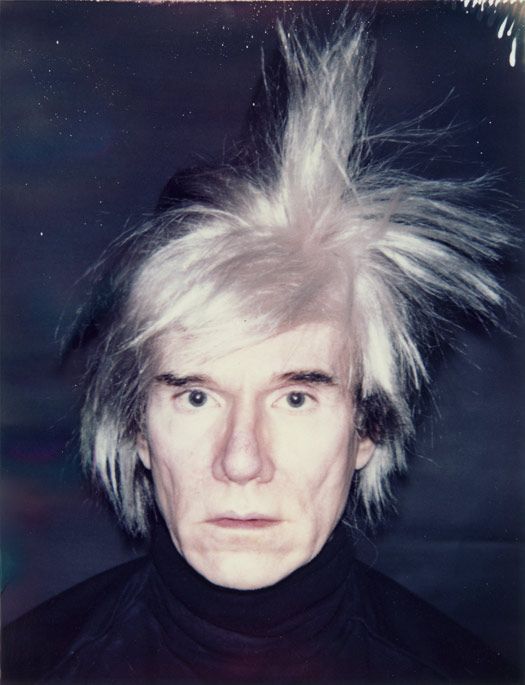
4. Andy Warhol – The Silver Wig
© Pinterest Breanna Elise

4. Andy Warhol – The Silver Wig

Warhol’s platinum wig became his trademark, masking vulnerability while enhancing mystique. His carefully crafted image mirrored the themes of celebrity culture in his work. The wig turned him into a recognizable pop icon. It blurred the boundary between artist and artwork.

Creator / Artist – Andy Warhol, leader of Pop Art

Year / Time Period – 1960s–1980s

Origin / Location – United States

Historical Context – Rise of mass media and celebrity culture

Significance / Impact – Made the artist himself part of pop culture

Interesting Fact – Warhol owned multiple identical wigs to maintain consistency

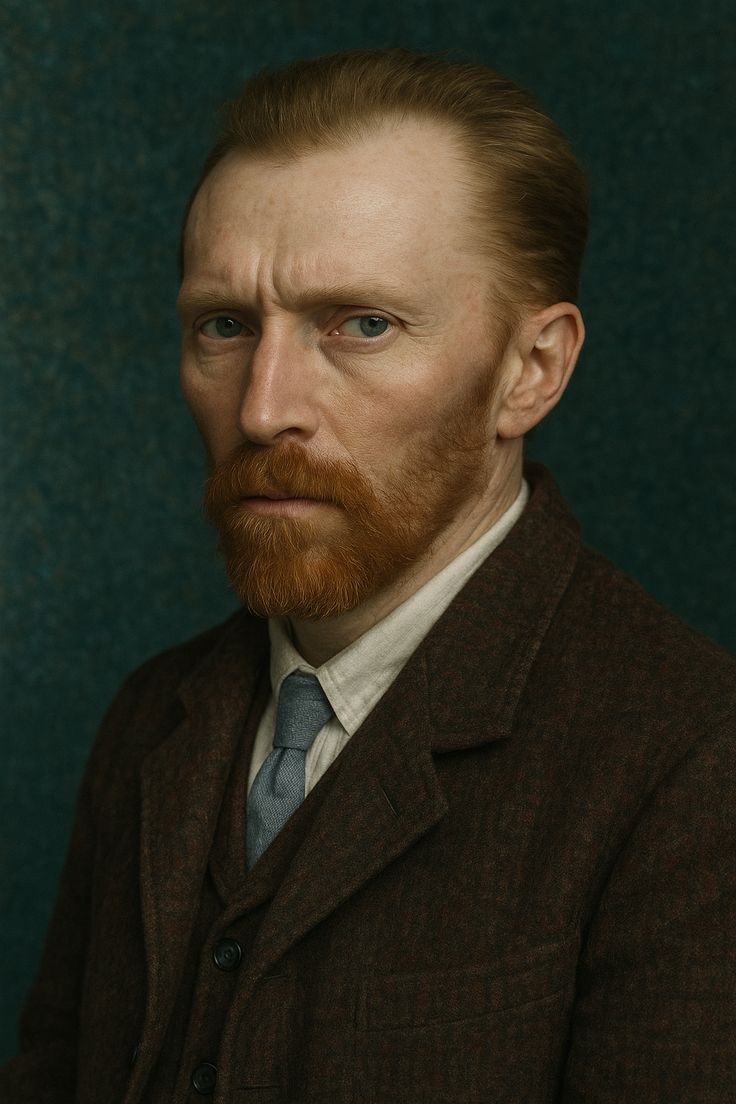
5. Vincent van Gogh – The Red Beard
© Pinterest Bob Smerecki Art

5. Vincent van Gogh – The Red Beard

Van Gogh’s fiery red beard became an inseparable part of his identity. It echoed the intensity and emotional depth seen in his paintings. His rugged appearance reflected a life of struggle and passion. The beard, like his art, felt raw and unfiltered.

Creator / Artist – Vincent van Gogh, Post-Impressionist painter

Year / Time Period – Late 19th century

Origin / Location – Netherlands and France

Historical Context – Transition from Impressionism to more emotional expression

Significance / Impact – Symbolized the tortured artist archetype

Interesting Fact – His self-portraits often emphasized his striking facial features

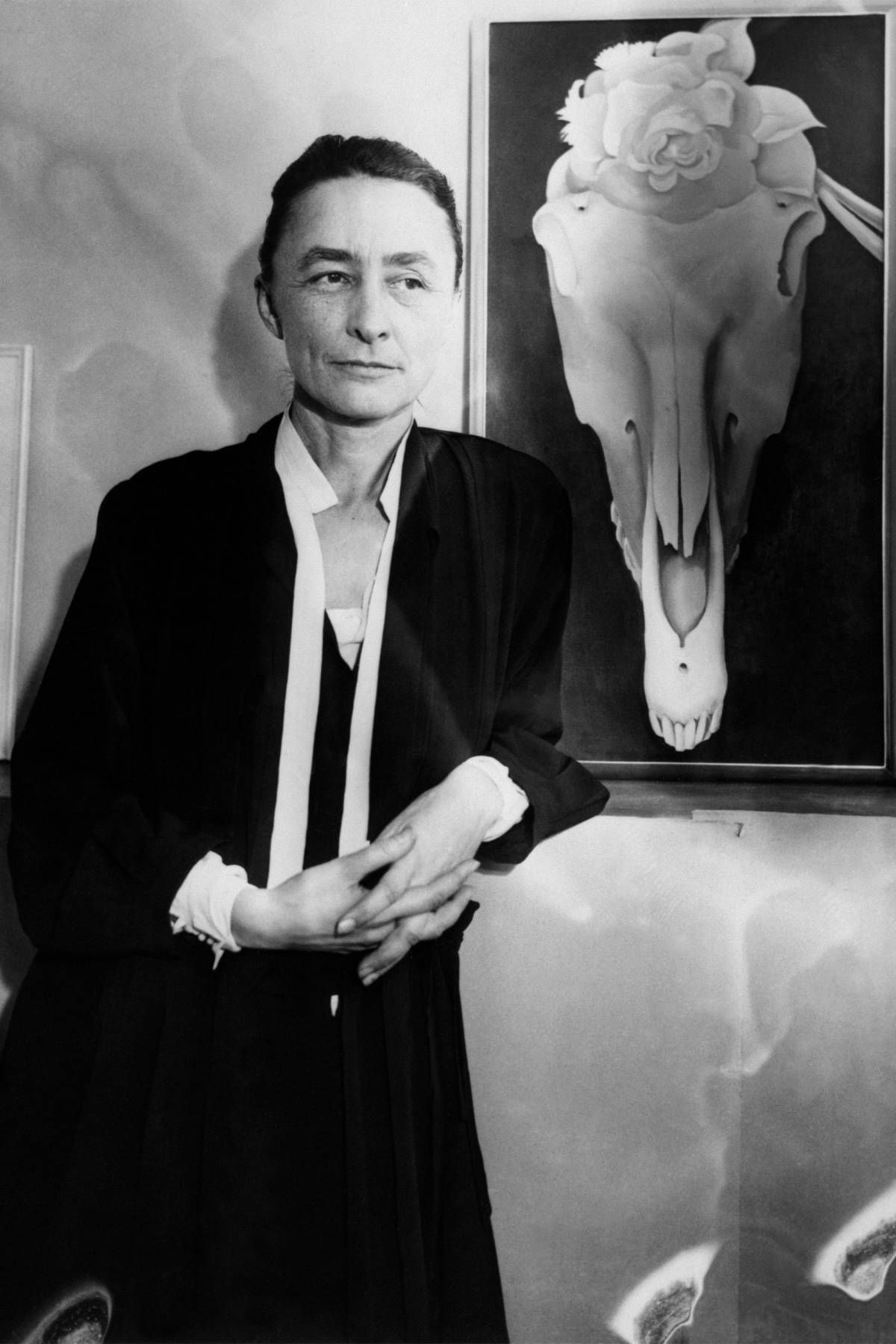
6. Georgia O'Keeffe – The Minimalist Wardrobe
© Pinterest Steve Pseno

6. Georgia O'Keeffe – The Minimalist Wardrobe

O’Keeffe was known for her simple black-and-white clothing. Her minimalist style mirrored the clarity and precision of her art. It emphasized form, structure, and focus. Her look became synonymous with elegance and discipline.

Creator / Artist – Georgia O’Keeffe, modernist painter

Year / Time Period – 20th century

Origin / Location – United States

Historical Context – Growth of American modernism

Significance / Impact – Reinforced minimalism as both lifestyle and artistic philosophy

Interesting Fact – She maintained this style consistently for decades

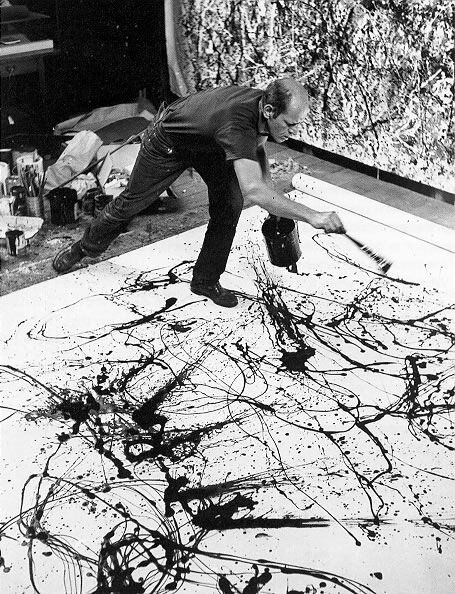
7. Jackson Pollock – The Paint-Splattered Look
© Pinterest Jhonny Lavore

7. Jackson Pollock – The Paint-Splattered Look

Pollock’s messy, paint-covered clothes reflected his action painting technique. His process was physical, energetic, and immersive. His appearance became proof of his artistic method. It captured the chaos and spontaneity of Abstract Expressionism.

Creator / Artist – Jackson Pollock, Abstract Expressionist

Year / Time Period – Mid-20th century

Origin / Location – United States

Historical Context – Post-war shift toward abstract art

Significance / Impact – Emphasized the act of creation as art itself

Interesting Fact – He often worked on canvases placed on the floor

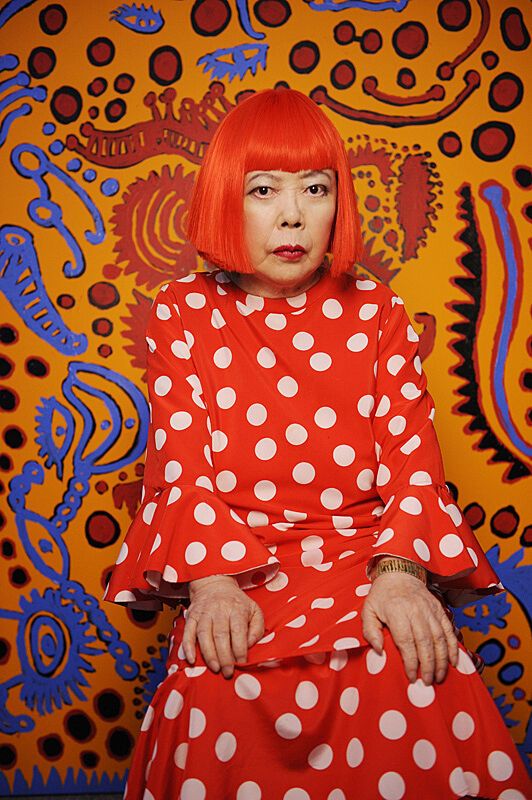
8. Yayoi Kusama – Polka Dots Everywhere
© Pinterest Victoria Baron

8. Yayoi Kusama – Polka Dots Everywhere

Kusama’s obsession with polka dots extends beyond her art into her clothing and surroundings. Her look is immersive and instantly recognizable. It reflects her exploration of infinity and repetition. Her identity and art are deeply intertwined.

Creator / Artist – Yayoi Kusama, contemporary artist

Year / Time Period – Late 20th century to present

Origin / Location – Japan

Historical Context – Rise of conceptual and immersive art

Significance / Impact – Turned personal obsession into global artistic language

Interesting Fact – Kusama often refers to dots as a symbol of the universe

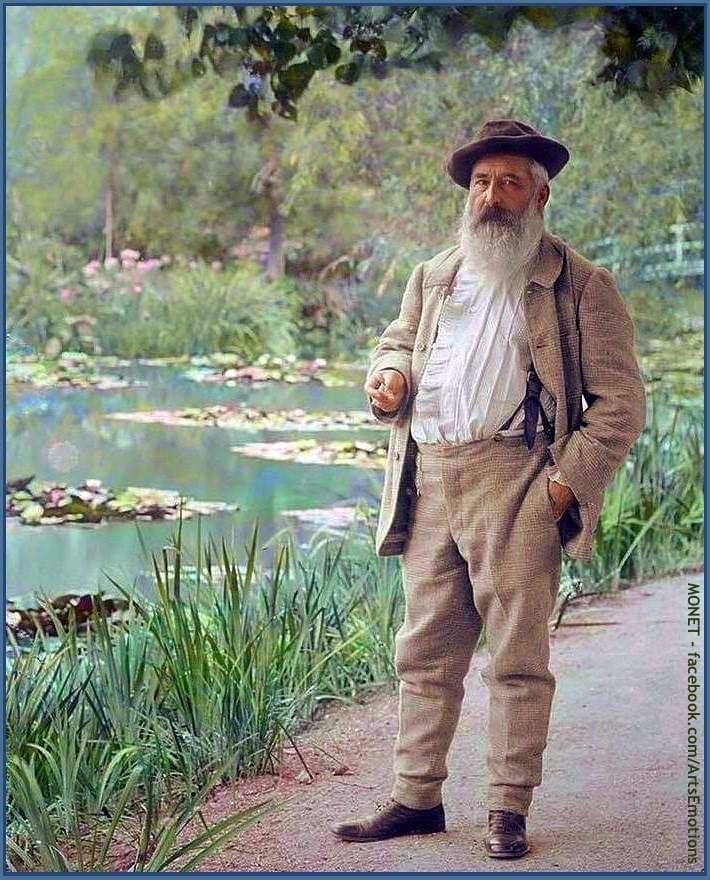
9. Claude Monet – The Garden Hat
© Pinterest Denyse Feeney

9. Claude Monet – The Garden Hat

Monet was frequently seen wearing a wide-brimmed hat while painting outdoors. It became symbolic of plein air painting. His appearance reflected his deep connection with nature. The hat is often depicted in photographs of his working process.

Creator / Artist – Claude Monet, founder of Impressionism

Year / Time Period – Late 19th to early 20th century

Origin / Location – France

Historical Context – Focus on light and natural landscapes

Significance / Impact – Represented the outdoor painting movement

Interesting Fact – His garden in Giverny inspired many masterpieces

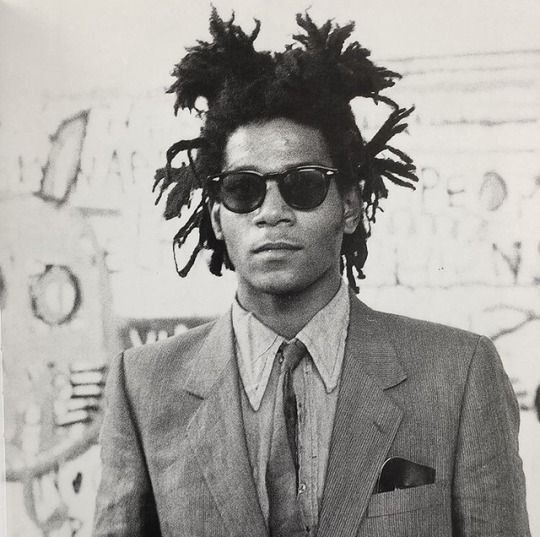
10. Jean-Michel Basquiat – The Wild Hair
© Pinterest zilennbur

10. Jean-Michel Basquiat – The Wild Hair

Basquiat’s untamed dreadlocks became a symbol of raw creativity. His look reflected the energy of street art and urban culture. It was expressive, bold, and unapologetic. His personal style matched the intensity of his work.

Creator / Artist – Jean-Michel Basquiat, neo-expressionist artist

Year / Time Period – 1980s

Origin / Location – United States

Historical Context – Rise of street art and graffiti culture

Significance / Impact – Bridged street art and fine art

Interesting Fact – He rose to fame from graffiti before entering galleries


Comments (0)

Leave a Reply

No comments yet. Be the first to share your thoughts!