Art and Culture History and Cultural Art

Ancient Crowns, Royal Helmets and Headdresses That Defined Powerful Rulers

Claire Morgan
3.7
April 06, 2026

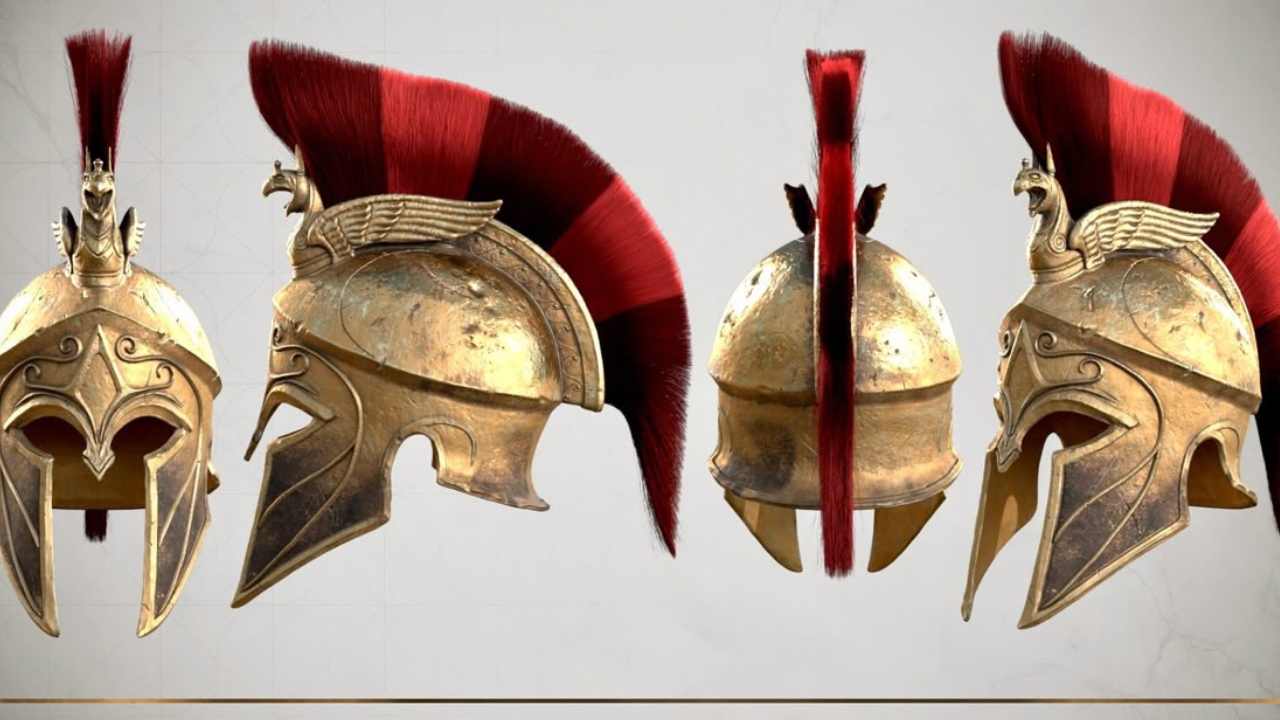
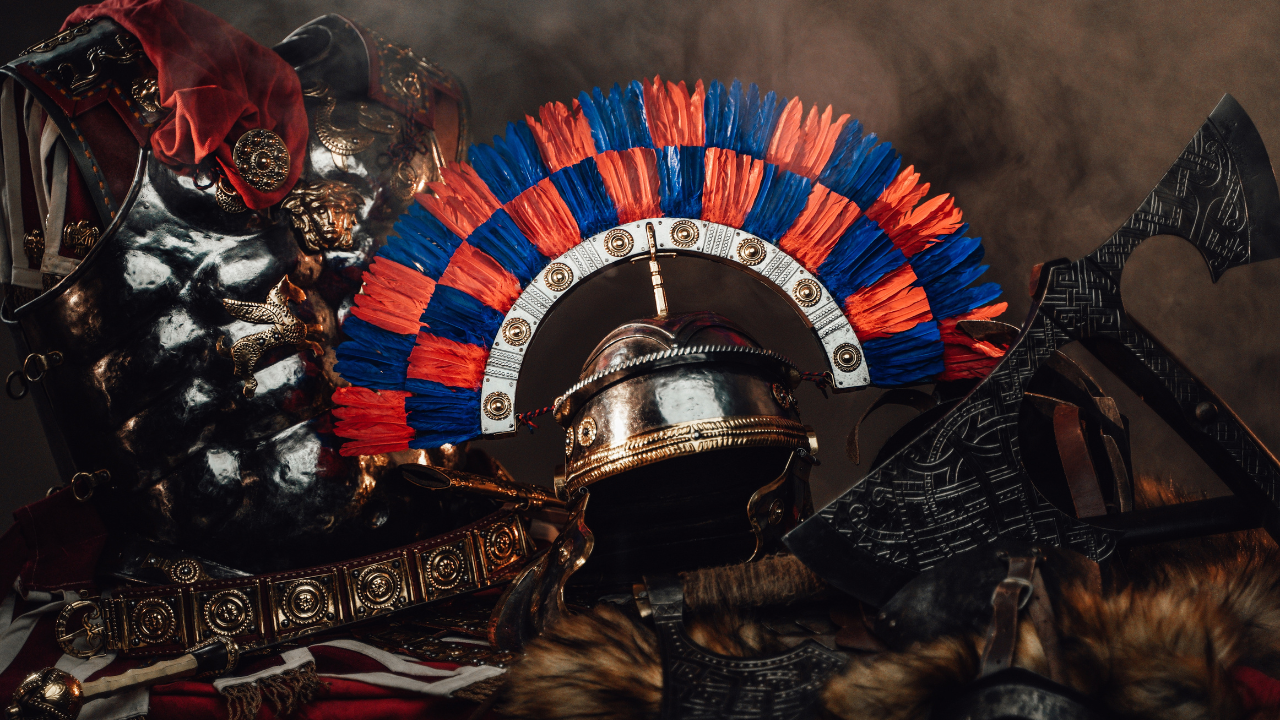
Throughout human civilization, rulers have used crowns, helmets, and elaborate headdresses as powerful symbols of authority, divinity, and cultural identity. These objects were never just decorative, they were declarations of power, legitimacy, and sometimes even divine right. From gold-encrusted crowns to battle-worn helmets, each piece tells a story of conquest, belief systems, artistic craftsmanship, and political symbolism. Across empires and eras, these headpieces have served as visual markers separating rulers from the ruled, blending artistry with political messaging in fascinating ways.
1
Regalia of Power: Crowns, Helmets & Headdresses Through History
© Shutterstock / FXQuadro

Regalia of Power: Crowns, Helmets & Headdresses Through History

Crowns and headdresses were more than ornaments, they signified divine authority, while helmets projected power and intimidation on the battlefield. Crafted from gold, gemstones, and intricate metalwork, these pieces reflected the wealth, beliefs, and identity of entire civilizations. Beyond beauty, they symbolized justice, courage, wisdom, and sovereignty, standing at the powerful crossroads of art, history, and politics.

Before exploring the list, remember: these are not just accessories, but masterfully crafted artifacts that embodied the spirit and authority of their time, each one telling a story of power, culture, and legacy.

2
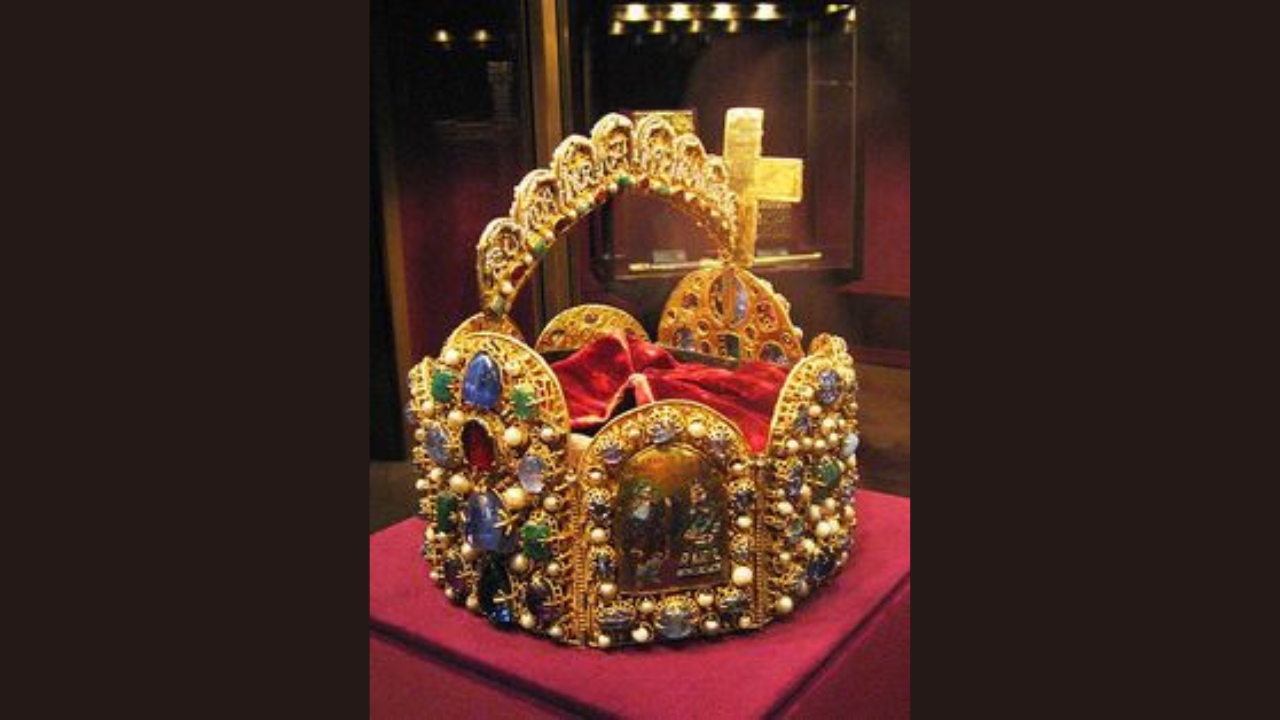
The Imperial Crown of the Holy Roman Empire
© Pinterest / Wikimedia Foundation

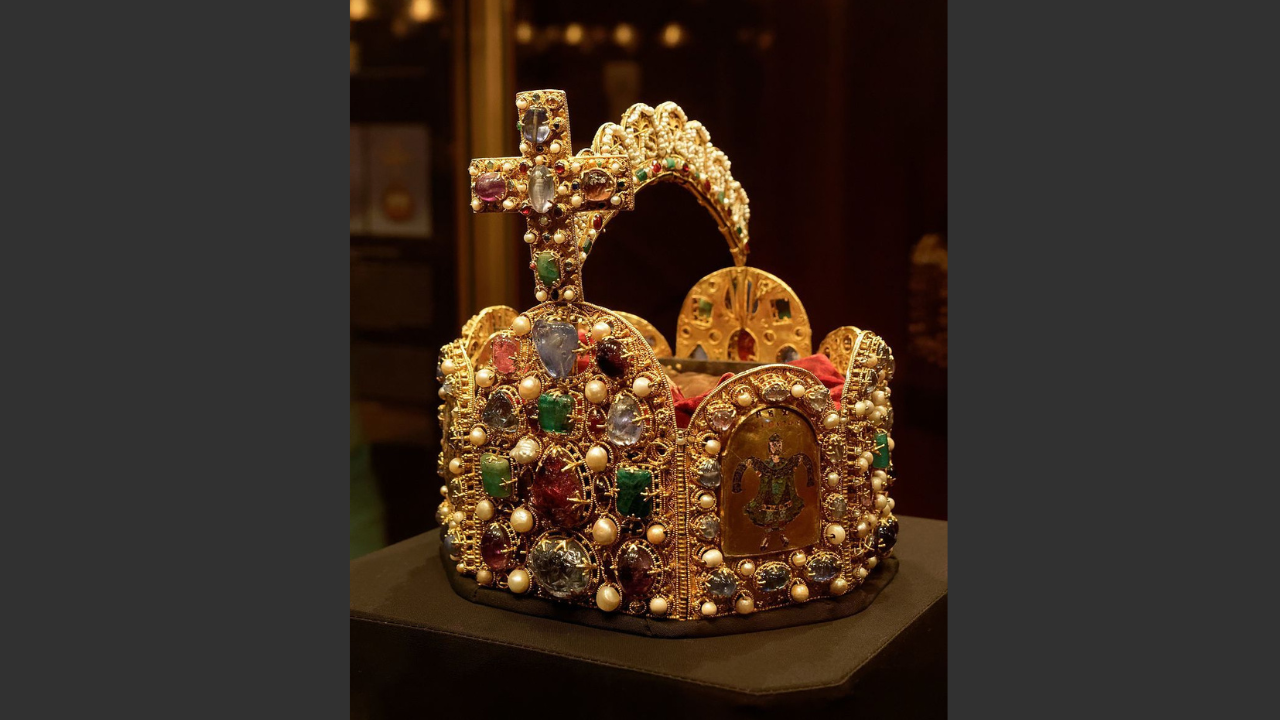
The Imperial Crown of the Holy Roman Empire

A crown that defined an entire empire, this masterpiece blends religious symbolism with imperial authority. Its distinctive design continues to fascinate historians and art lovers alike. It stands as one of the most iconic symbols of medieval Europe.

  • Creator / Artist – Crafted by anonymous medieval goldsmiths, likely within imperial workshops.

  • Year / Time Period – Late 10th to early 11th century.

  • Origin / Location – Europe; housed in the Imperial Treasury in Vienna, Austria.

  • Historical Context – Used during coronations of Holy Roman Emperors, symbolizing unity between church and state.

  • Significance / Impact – One of the most important regalia in European history, representing imperial authority.

  • Interesting Fact – The crown features a distinctive octagonal shape, symbolizing the heavenly Jerusalem.

3
The Crown of Charlemagne
© Pinterest / The Vintage News

The Crown of Charlemagne

This legendary crown is tied to one of Europe’s greatest rulers, Charlemagne. It represents the birth of a powerful empire that shaped medieval history. Its legacy influenced royal traditions for centuries.

  • Creator / Artist – Medieval craftsmen commissioned by early European rulers.

  • Year / Time Period – 8th–9th century.

  • Origin / Location – Associated with Charlemagne, now preserved in European royal collections.

  • Historical Context – Represents the power of the Carolingian Empire and early medieval kingship.

  • Significance / Impact – Inspired later European coronation traditions.

  • Interesting Fact – Charlemagne himself was crowned by the Pope, linking monarchy with the Church.

4
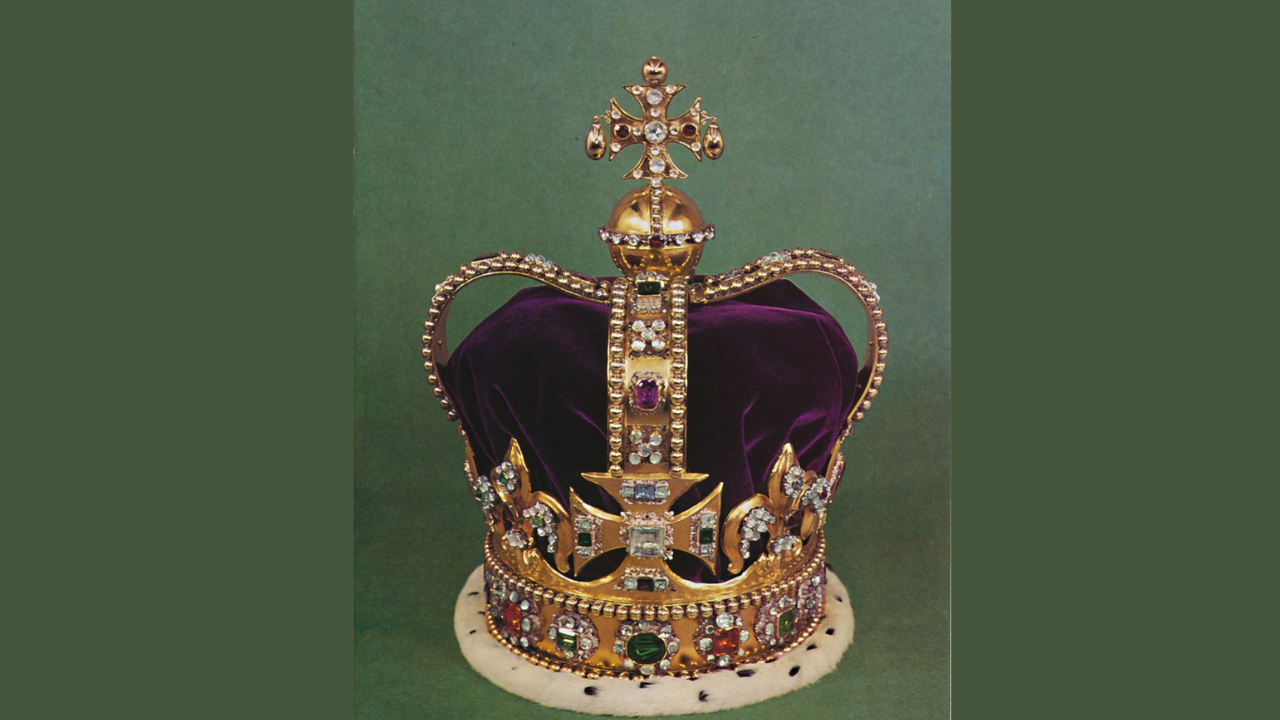
The Imperial State Crown of Queen Elizabeth II
© Pinterest / SUSAN ANN

The Imperial State Crown of Queen Elizabeth II

One of the most dazzling royal crowns ever created, this piece shines with centuries of history and priceless gems. It reflects the grandeur and continuity of the British monarchy. Its brilliance makes it instantly recognizable worldwide.

  • Creator / Artist – Designed by royal jewelers including Garrard & Co.

  • Year / Time Period – 1937 (remade for modern monarchs).

  • Origin / Location – United Kingdom; part of the Crown Jewels in London.

  • Historical Context – Used during coronations and state ceremonies.

  • Significance / Impact – Symbolizes continuity of the British monarchy.

  • Interesting Fact – Contains famous gems like the Cullinan II diamond.

5
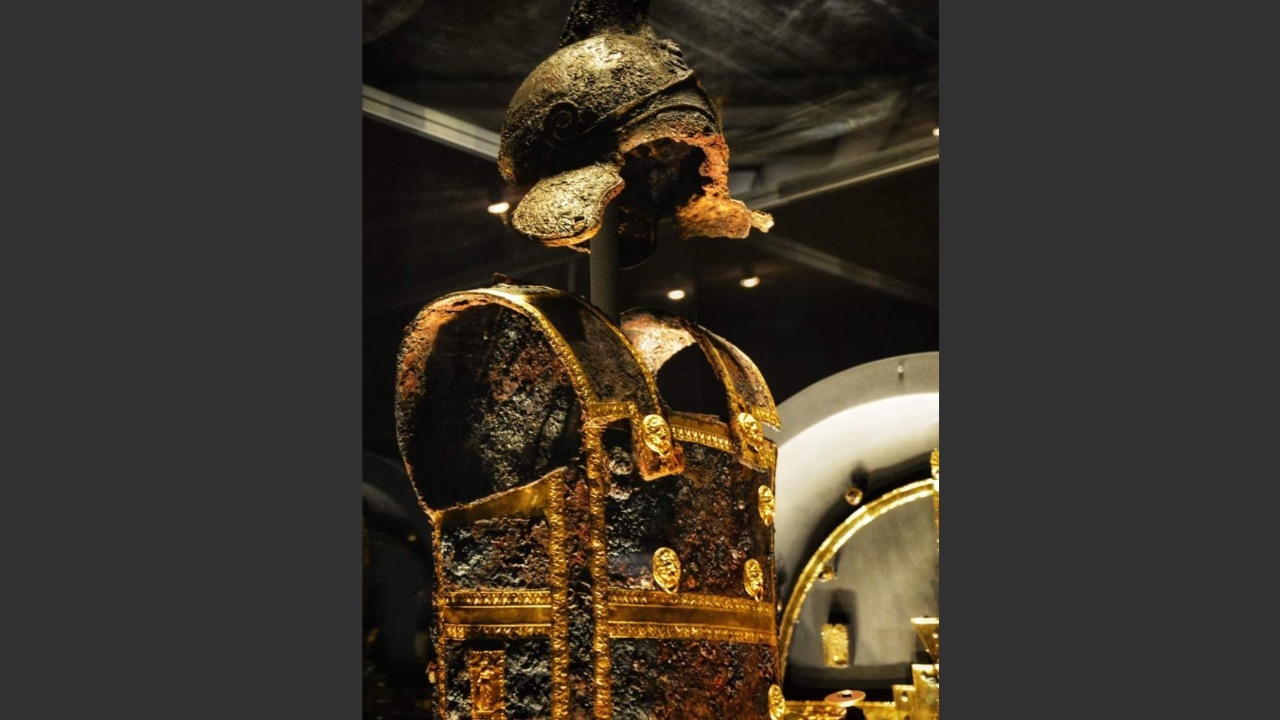
The Golden Helmet of Philip II of Macedon
© Pinterest / Sherry Hayslip Interiors

The Golden Helmet of Philip II of Macedon

This stunning helmet combines battlefield function with royal elegance. It reflects the power and ambition of one of history’s greatest military leaders. Its golden craftsmanship reveals the wealth of ancient Macedon.

  • Creator / Artist – Ancient Greek metalworkers.

  • Year / Time Period – 4th century BCE.

  • Origin / Location – Macedonia (modern-day Greece); discovered in royal tombs.

  • Historical Context – Worn during a time of expansion and military conquest.

  • Significance / Impact – Reflects the fusion of warfare and royal authority.

  • Interesting Fact – It was both functional armor and a status symbol made of gold.

6
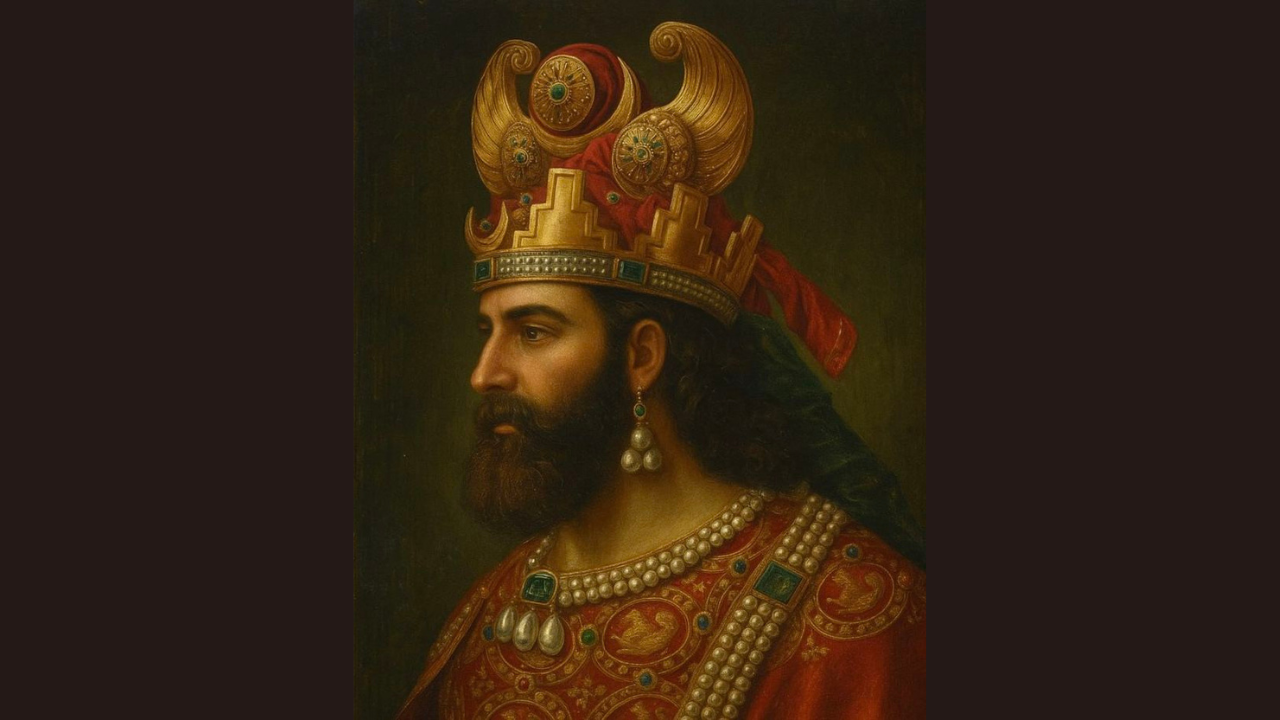
The Sasanian Crown of Khosrow II
© Pinterest / Sheragim

The Sasanian Crown of Khosrow II

This elaborate crown reflects the grandeur of one of Persia’s most powerful rulers. Its bold and symbolic design showcases the empire’s artistic brilliance. It stands as a reminder of ancient imperial authority.

  • Creator / Artist – Sasanian artisans of ancient Persia.

  • Year / Time Period – 6th–7th century CE.

  • Origin / Location – Persia (modern Iran); depicted in reliefs and coins.

  • Historical Context – Represented one of the most powerful Persian rulers before Islamic conquests.

  • Significance / Impact – Influenced later Islamic and Middle Eastern crown designs.

  • Interesting Fact – Often shown with a large globe-like top symbolizing cosmic authority.

7
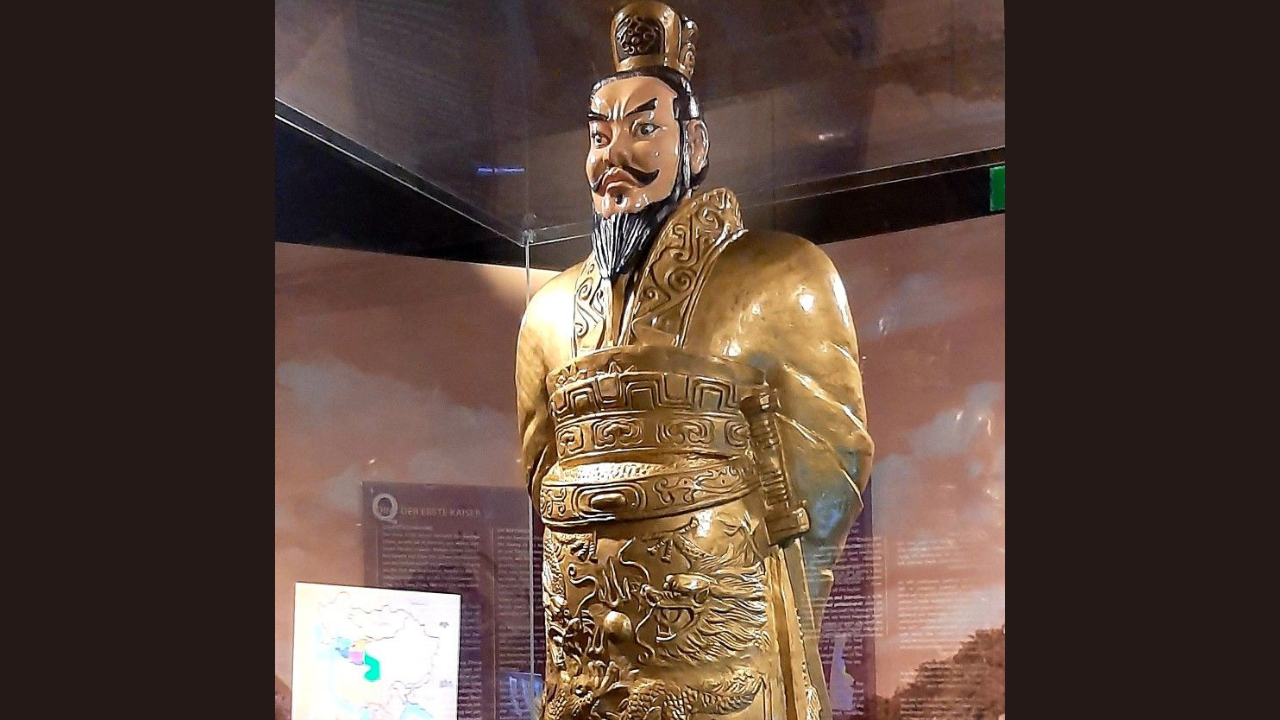
The Crown of Emperor Qin Shi Huang
© Pinterest/ Ljiljana Djokic

The Crown of Emperor Qin Shi Huang

This crown represents the birth of a unified China under its first emperor. It carries the weight of immense power and historic transformation. Its design reflects ancient Chinese beliefs about order and authority.

  • Creator / Artist – Chinese imperial artisans.

  • Year / Time Period – 3rd century BCE.

  • Origin / Location – China; associated with the First Emperor.

  • Historical Context – During the unification of China under the Qin Dynasty.

  • Significance / Impact – Symbolized centralized imperial power in ancient China.

  • Interesting Fact – Early Chinese crowns often included long bead strands hanging in front and back.

8
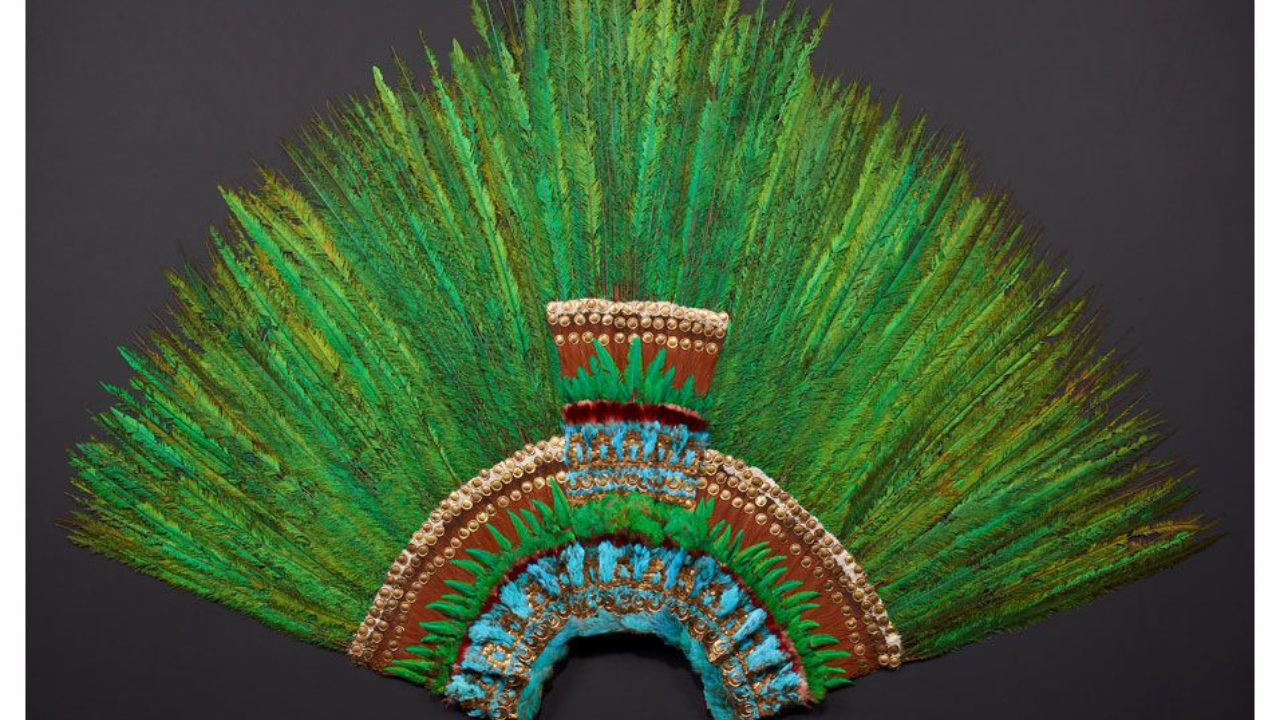
 The Feathered Headdress of Moctezuma II
© Pinterest/ Susan Heep

The Feathered Headdress of Moctezuma II

A breathtaking example of Mesoamerican artistry, this headdress is made from thousands of vibrant feathers. It reflects both luxury and spiritual symbolism. It remains one of the most remarkable artifacts of the Aztec Empire.

  • Creator / Artist – Aztec artisans skilled in featherwork.

  • Year / Time Period – Early 16th century.

  • Origin / Location – Aztec Empire (modern Mexico).

  • Historical Context – Worn during the height of the Aztec civilization before Spanish conquest.

  • Significance / Impact – Represents Mesoamerican artistry and imperial power.

  • Interesting Fact – Made from thousands of quetzal feathers, considered sacred and highly valuable.

9
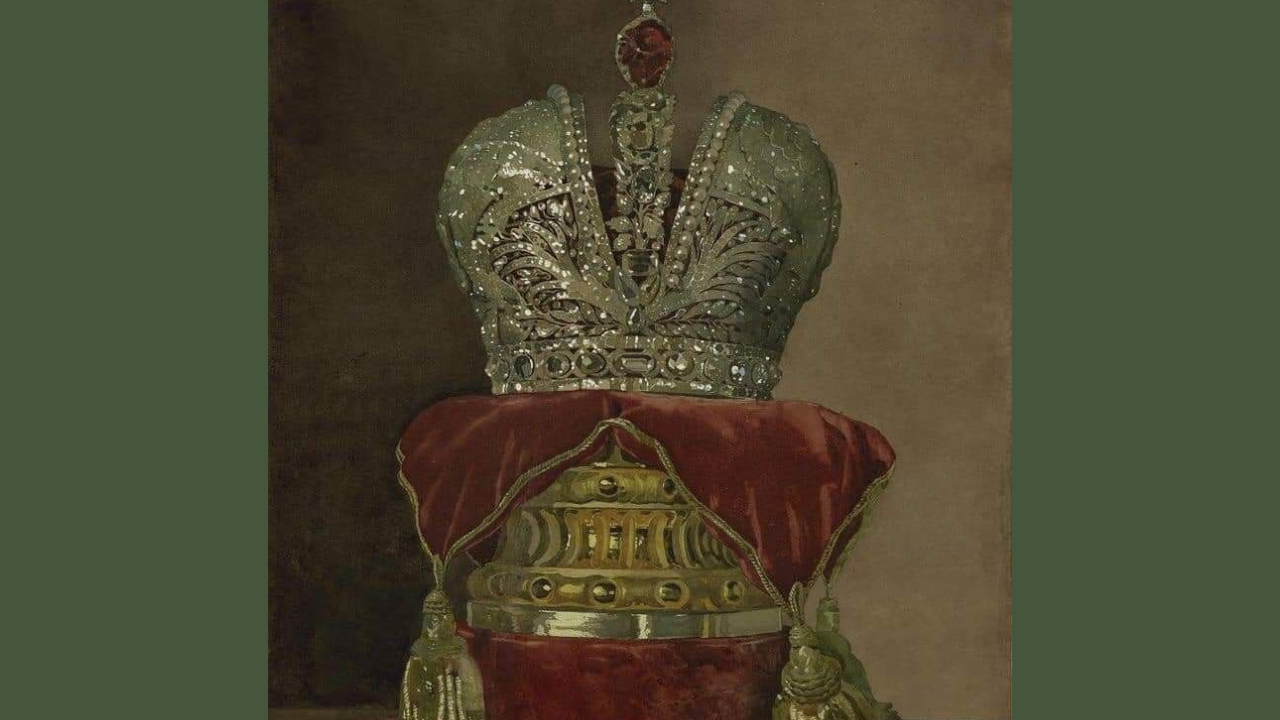
The Crown of Tsar Ivan the Terrible
© Pinterest / Jesús Romanov López-Alfonso

The Crown of Tsar Ivan the Terrible

This crown reflects the rise of a powerful and feared ruler in Russian history. It symbolizes authority, control, and the expansion of a growing empire. Its legacy is closely tied to the formation of modern Russia.

  • Creator / Artist – Russian imperial craftsmen.

  • Year / Time Period – 16th century.

  • Origin / Location – Russia.

  • Historical Context – Marked the rise of the Russian Tsardom.

  • Significance / Impact – Helped establish Russia as a major centralized state.

Interesting Fact – Ivan IV was the first ruler officially crowned “Tsar of All Russia.”  

10
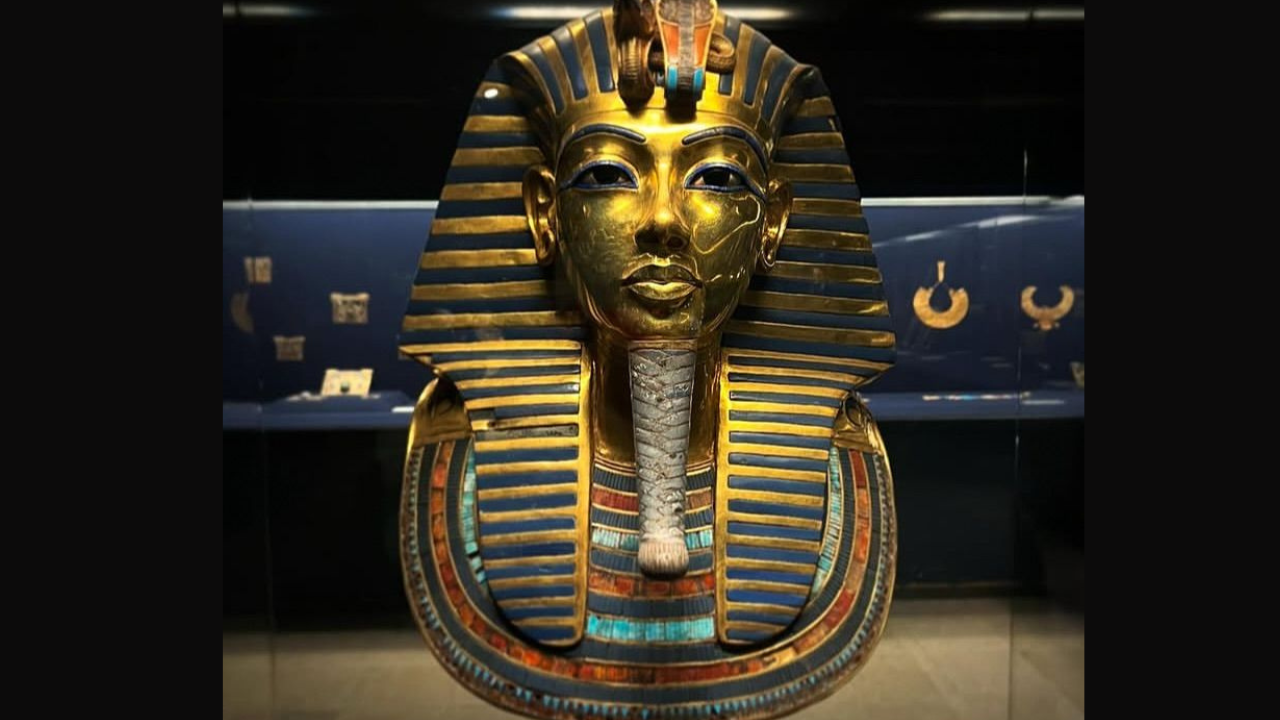
The Crown of King Tutankhamun
© Pinterest / Skyscape

The Crown of King Tutankhamun

This crown belongs to one of the most famous boy kings in history. Discovered in a tomb filled with treasures, it offers a glimpse into ancient Egyptian royalty. Its beauty continues to captivate the world.

  • Creator / Artist – Ancient Egyptian artisans.

  • Year / Time Period – 14th century BCE.

  • Origin / Location – Egypt; discovered in his tomb in the Valley of the Kings.

  • Historical Context – Period of the New Kingdom, a time of wealth and religious transformation.

  • Significance / Impact – One of the most famous archaeological discoveries in history.

  • Interesting Fact – His burial mask is one of the most iconic symbols of ancient Egypt.

11
The War Helm of Alexander the Great
© Pinterest / Mick

The War Helm of Alexander the Great

This helmet reflects the brilliance and ambition of one of history’s greatest conquerors. It symbolizes both protection and dominance on the battlefield. Its design often carried symbolic artistic elements.

  • Creator / Artist – Ancient Macedonian armorers.

  • Year / Time Period – 4th century BCE.

  • Origin / Location – Macedonia; linked to Alexander’s campaigns.

  • Historical Context – During his conquest of Persia and expansion across Asia.

  • Significance / Impact – Represents leadership, strategy, and military genius.

  • Interesting Fact – Often depicted in artwork with a helmet adorned with animal motifs.


Comments (0)

Leave a Reply

No comments yet. Be the first to share your thoughts!