Art and Culture Art and Masterpieces

Exploring the Most Famous and High-Value Paintings in the World

Claire Morgan
4.8
April 06, 2026

Art has always been a reflection of human imagination, history, and culture, but some masterpieces go beyond creativity, they become symbols of wealth, power, and legacy. The world’s most famous paintings are not only admired for their beauty and technique but also for the staggering prices they have fetched, often reaching hundreds of millions of dollars. These works have traveled through time, passing from royal collections to modern museums and private owners, carrying stories that make them priceless in meaning, even if their market value continues to rise.
1
Why These Paintings Stand Out
© Pinterest/ Merve Duzenli

Why These Paintings Stand Out

What makes a painting “famous” or “expensive” is not just the artist behind it, but the story it tells, the time it represents, and the impact it has on viewers and history. Many of these works broke records at auctions, while others are considered priceless national treasures that will never be sold. From Renaissance masterpieces to modern abstractions, these paintings define entire movements and continue to inspire artists and collectors alike.  

2
Mona Lisa
© Shutterstock/ Gorodenkoff

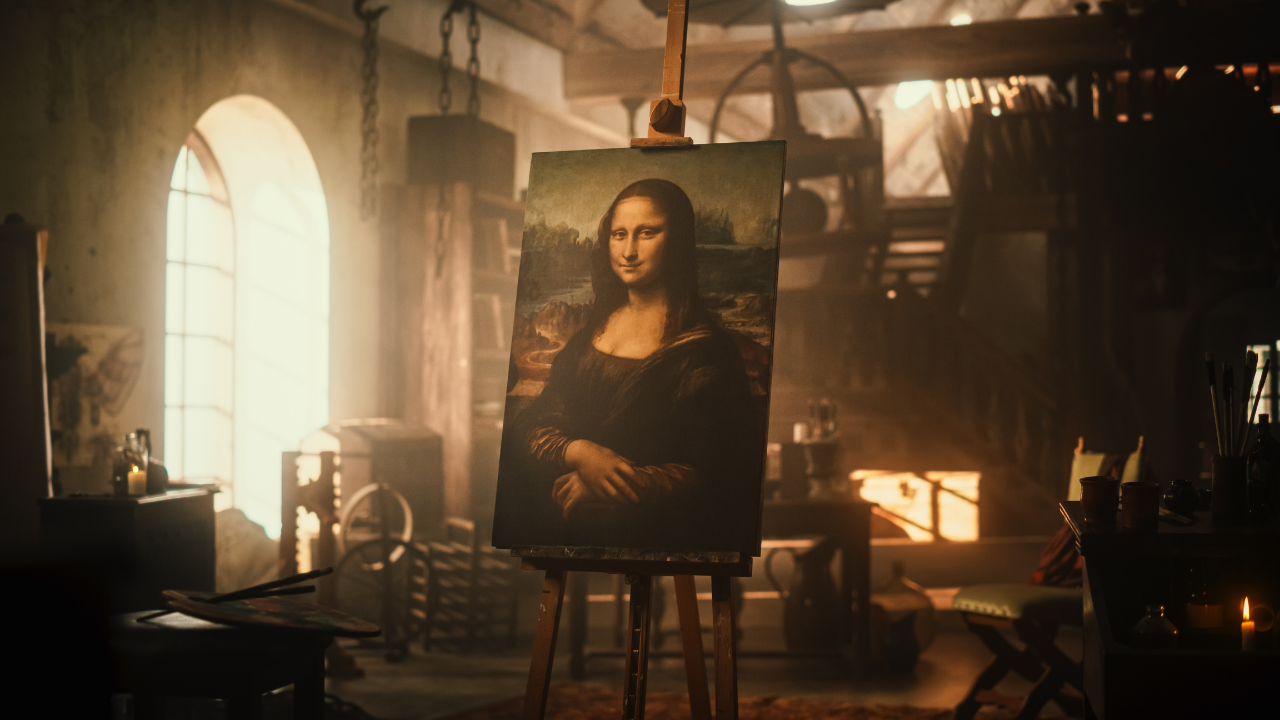
Mona Lisa

This iconic masterpiece by Leonardo da Vinci is widely regarded as the most famous painting in the world. Its mysterious smile and flawless technique have fascinated viewers for centuries.

  • Creator / Artist – Leonardo da Vinci, a Renaissance polymath known for blending art, science, and innovation.

  • Year / Time Period – c. 1503–1506 (Italian Renaissance).

  • Origin / Location – Louvre Museum.

  • Historical Context – Created during the Renaissance, a period focused on realism, human anatomy, and perspective.

  • Significance / Impact – Arguably the most famous painting in the world, symbolizing artistic perfection and mystery.

  • Interesting Fact – The painting was stolen in 1911 and recovered two years later, increasing its fame dramatically.

3
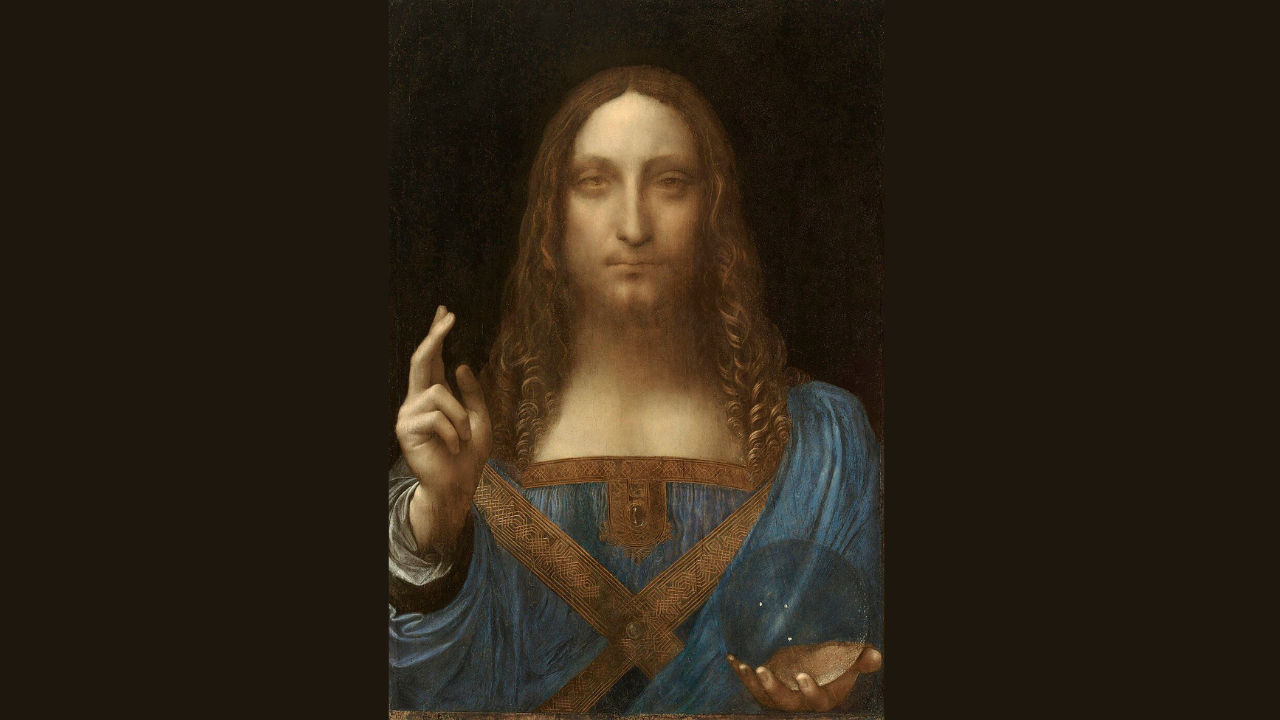
Salvator Mundi
© Wikipedia / Getty Images

Salvator Mundi

This religious painting drew international attention as the most expensive artwork ever sold at auction. Its attribution and history have ignited intense debates among experts.

  • Creator / Artist – Leonardo da Vinci (attributed).

  • Year / Time Period – c. 1500.

  • Origin / Location – Sold at auction in 2017; current location is undisclosed.

  • Historical Context – Renaissance art focused on religious themes and divine symbolism.

  • Significance / Impact – Sold for $450 million, making it the most expensive painting ever sold.

  • Interesting Fact – Its authorship is still debated by art historians.

4
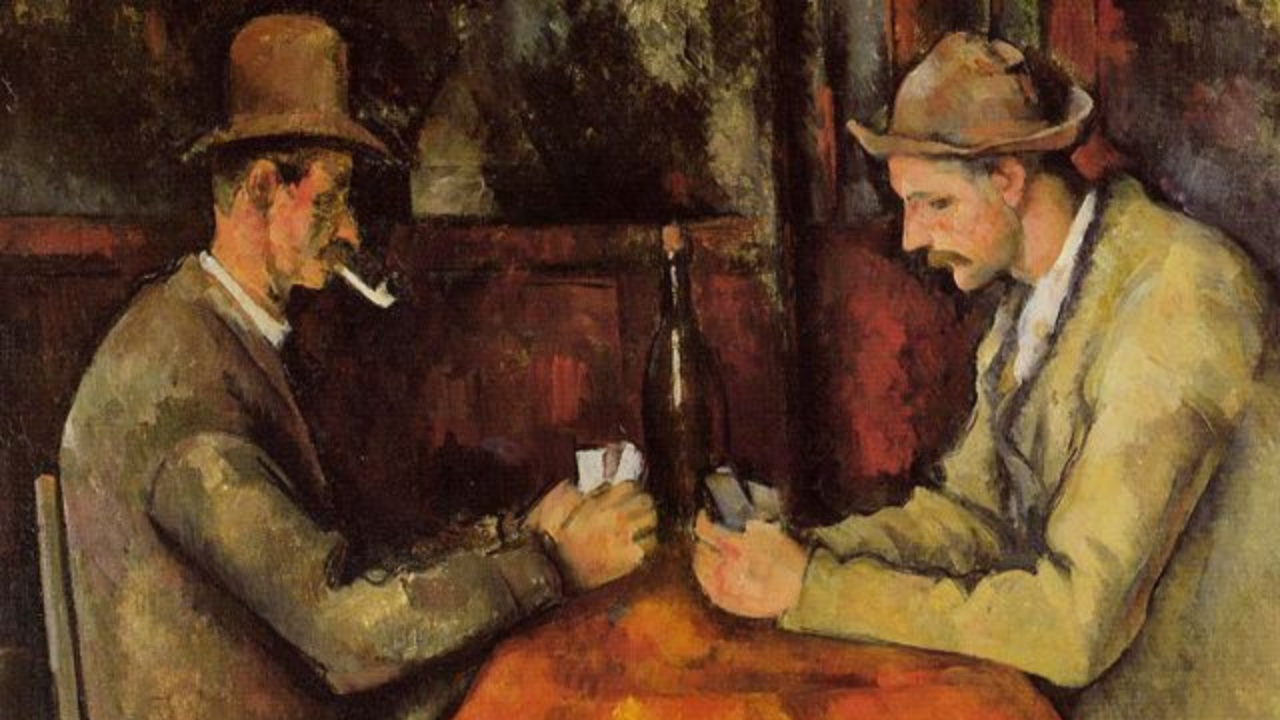
The Card Players
© Pinterest / Mental Floss Magazine

The Card Players

A quiet yet powerful depiction of everyday life, this painting highlights Cézanne’s focus on structure and form. It is part of a series that has fascinated collectors worldwide.

  • Creator / Artist – Paul Cézanne, a Post-Impressionist painter.

  • Year / Time Period – c. 1890–1895.

  • Origin / Location – Louvre Museum Abu Dhabi.

  • Historical Context – Post-Impressionism, focusing on geometry and structure.

  • Significance / Impact – Sold for over $250 million.

  • Interesting Fact – There are multiple versions of this painting.

5
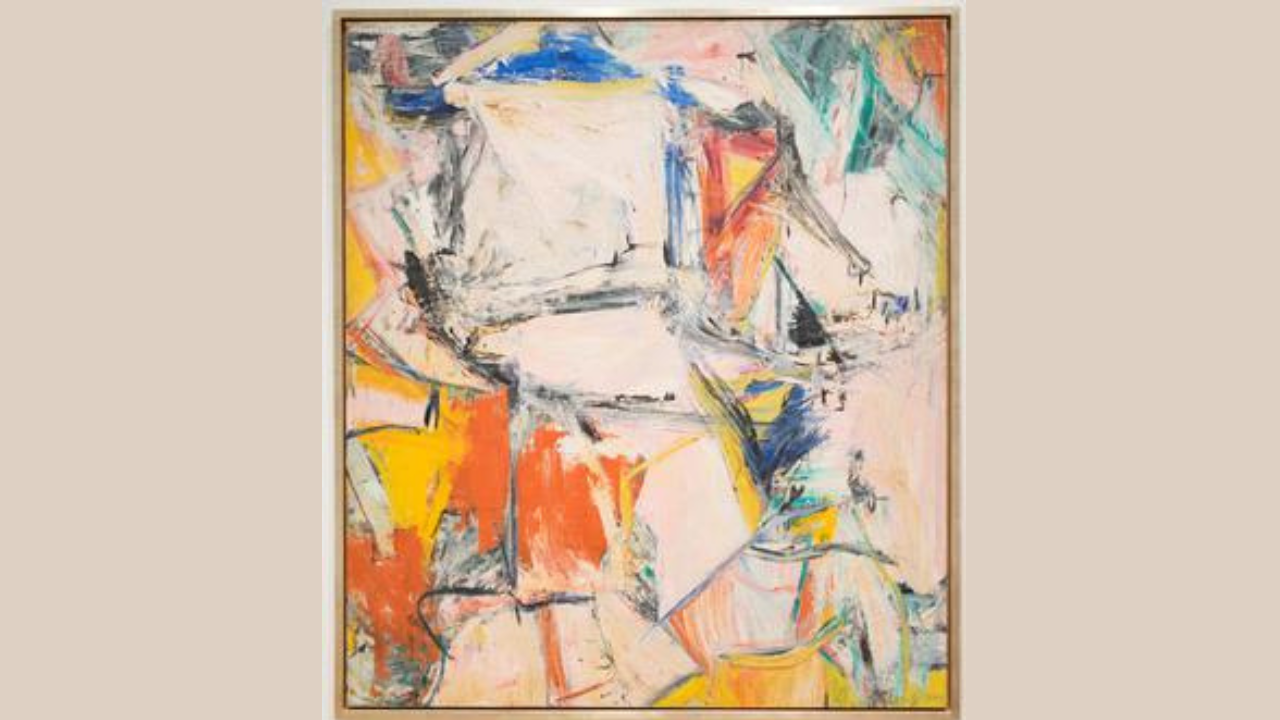
Interchange
© Wikipedia / Andrew Cho

Interchange

This abstract work represents the freedom and energy of post-war modern art. Its bold, expressive style made it one of the most expensive paintings ever sold.

  • Creator / Artist – Willem de Kooning.

  • Year / Time Period – 1955.

  • Origin / Location – Private collection (originally Art Institute of Chicago).

  • Historical Context – Abstract Expressionism after World War II.

  • Significance / Impact – Sold for $300 million.

  • Interesting Fact – It was once stored away before gaining recognition.

6
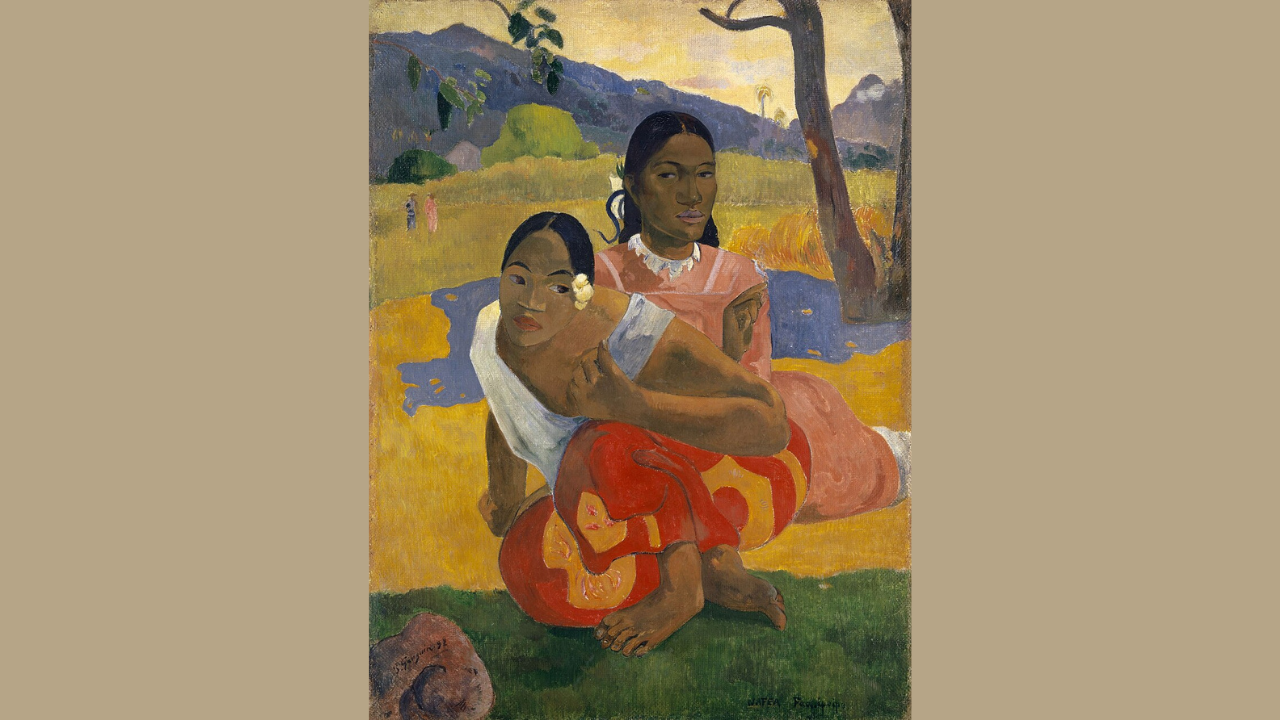
Nafea Faa Ipoipo (When Will You Marry?)
© Public domain

Nafea Faa Ipoipo (When Will You Marry?)

This vibrant painting reflects Gauguin’s time in Tahiti and his fascination with local culture and identity. It remains one of the most valuable artworks ever sold.

  • Creator / Artist – Paul Gauguin.

  • Year / Time Period – 1892.

  • Origin / Location – Created in Tahiti; later sold privately.

  • Historical Context – Exploration of exoticism and colonial themes.

  • Significance / Impact – Sold for about $210 million.

  • Interesting Fact – Depicts a blend of cultural influences and symbolism.

7
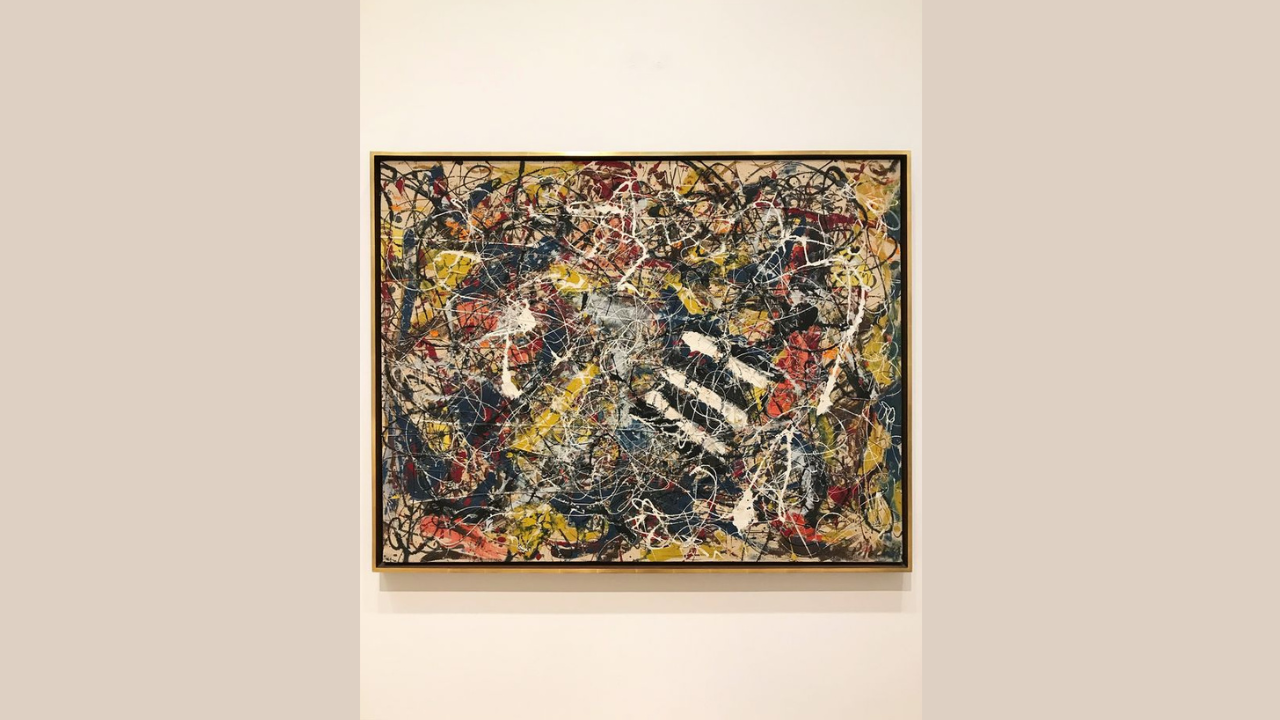
Number 17A
© Pinterest / Epikouria Pinakothek

Number 17A

This abstract drip painting showcases Pollock’s unique technique and the expressive energy of modern art. It helped redefine how art could be created and valued.

  • Creator / Artist – Jackson Pollock.

  • Year / Time Period – 1948.

  • Origin / Location – Private collection.

  • Historical Context – Post-war American Abstract Expressionism.

  • Significance / Impact – Sold for about $200 million.

  • Interesting Fact – Created using Pollock’s famous drip technique.

8
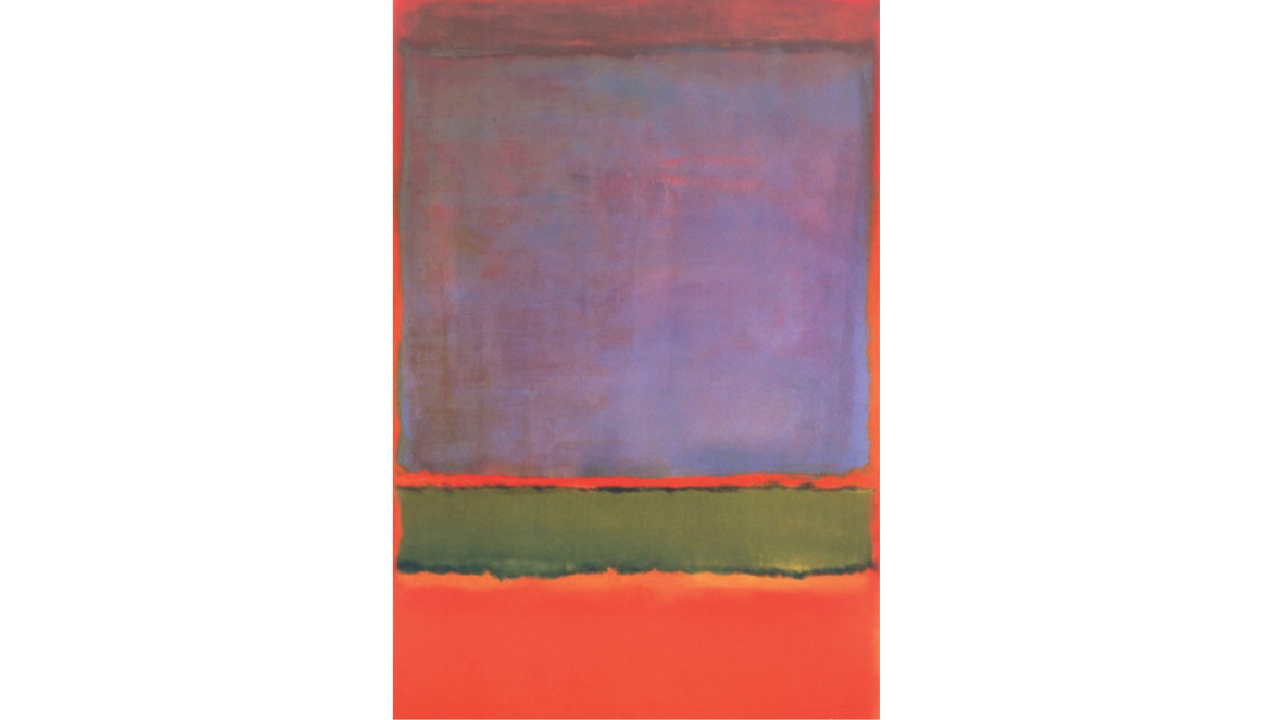
 No. 6 (Violet, Green and Red)
© Pinterest / Luis Parra

No. 6 (Violet, Green and Red)

This minimalist yet powerful painting demonstrates Rothko’s mastery of color and emotion. It invites viewers to experience deep emotional reflection.

  • Creator / Artist – Mark Rothko.

  • Year / Time Period – 1951.

  • Origin / Location – Private collection.

  • Historical Context – Abstract Expressionism.

  • Significance / Impact – Sold for approximately $186 million.

  • Interesting Fact – Designed to evoke emotional and spiritual responses.

9
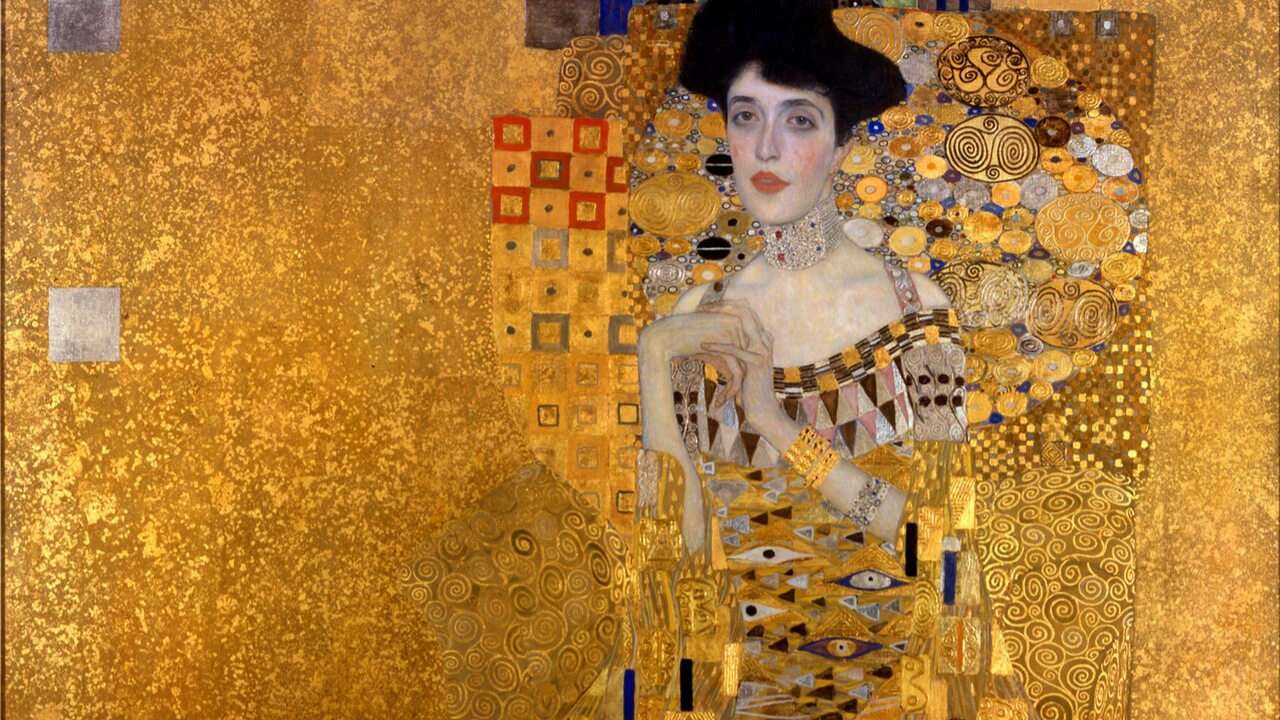
Portrait of Adele Bloch-Bauer I
© Wikipedia/ Neue Galerie New York

Portrait of Adele Bloch-Bauer I

This luxurious and detailed portrait is one of Klimt’s most famous works, often associated with beauty, wealth, and history.

  • Creator / Artist – Gustav Klimt.

  • Year / Time Period – 1907.

  • Origin / Location – Neue Galerie New York.

  • Historical Context – Vienna’s Golden Age, emphasizing symbolism and decoration.

  • Significance / Impact – Sold for around $135 million.

  • Interesting Fact – Known as “The Woman in Gold.”

10
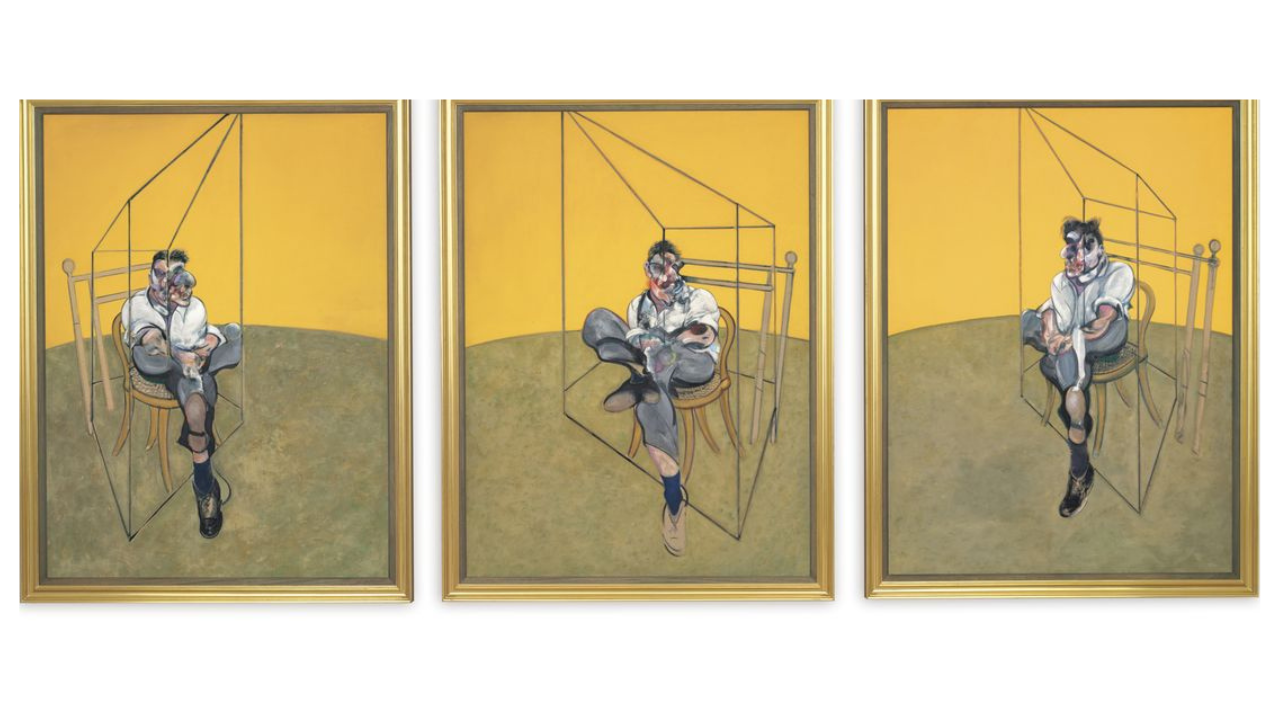
 Three Studies of Lucian Freud
© Pinterest / MoodBoardMix XI

Three Studies of Lucian Freud

This powerful triptych reflects Bacon’s exploration of human emotion and psychological depth. It remains one of the most valuable modern paintings.

  • Creator / Artist – Francis Bacon.

  • Year / Time Period – 1969.

  • Origin / Location – Private collection.

  • Historical Context – Modern post-war art focusing on psychological themes.

  • Significance / Impact – Sold for $142 million.

  • Interesting Fact – Inspired by Bacon’s relationship with Lucian Freud.

11
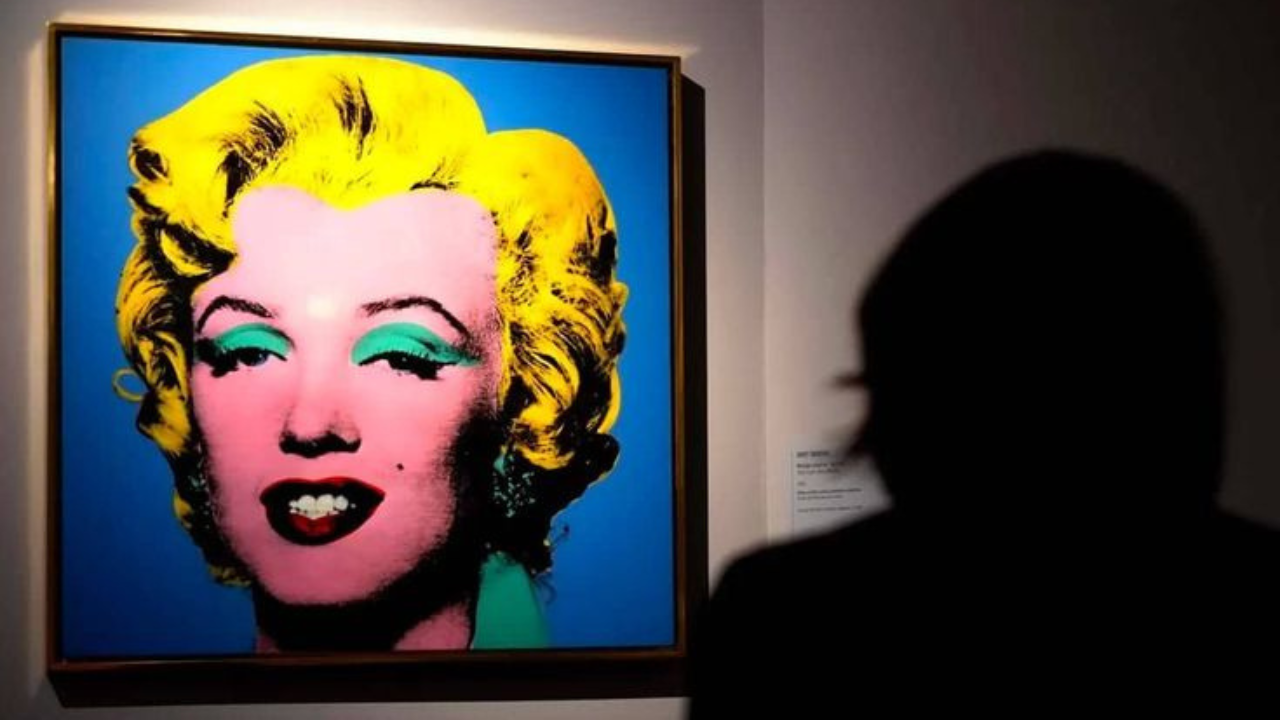
Shot Sage Blue Marilyn
© Pinterest / Saatolog

Shot Sage Blue Marilyn

This pop art icon reflects celebrity culture and mass media, making Marilyn Monroe one of the most recognizable figures in modern art.

  • Creator / Artist – Andy Warhol.

  • Year / Time Period – 1964.

  • Origin / Location – Private collection.

  • Historical Context – Pop Art movement of the 1960s.

  • Significance / Impact – Sold for $195 million.

  • Interesting Fact – The artwork was shot with a gun, giving it its name.


Comments (0)

Leave a Reply

No comments yet. Be the first to share your thoughts!