Art and Culture Artists and Influence

How Famous Art Movements Began: Strange and Fascinating Stories

Amelia Brooks
3.6
April 06, 2026

Art movements are often remembered for their final masterpieces, but many of them began in unexpected, unconventional, and even rebellious ways. From chance encounters in cafés to bold rejections of tradition, these movements were shaped by artists who dared to think differently. Their quirky origins not only influenced their style but also changed the course of art history forever.
1
The Unconventional Spark Behind Artistic Revolutions
© Google Images / Humanistic Assoc. Great Europe

The Unconventional Spark Behind Artistic Revolutions

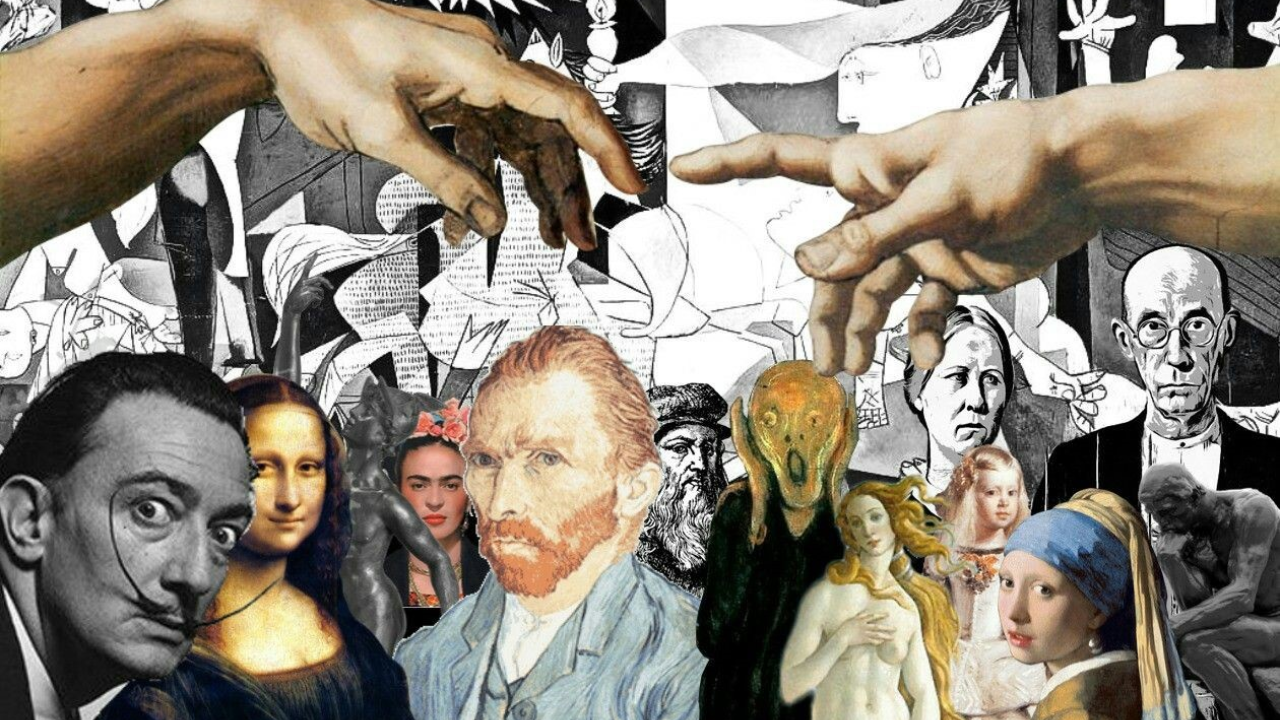
What makes these movements fascinating is not just their visual style, but the stories behind how they began. Some emerged as a joke, others as a reaction to war, and a few were born from artistic experiments that no one initially took seriously. These beginnings remind us that creativity often thrives in chaos, spontaneity, and bold experimentation.

2
Dadaism
© Pinterest / Megan Wong

Dadaism

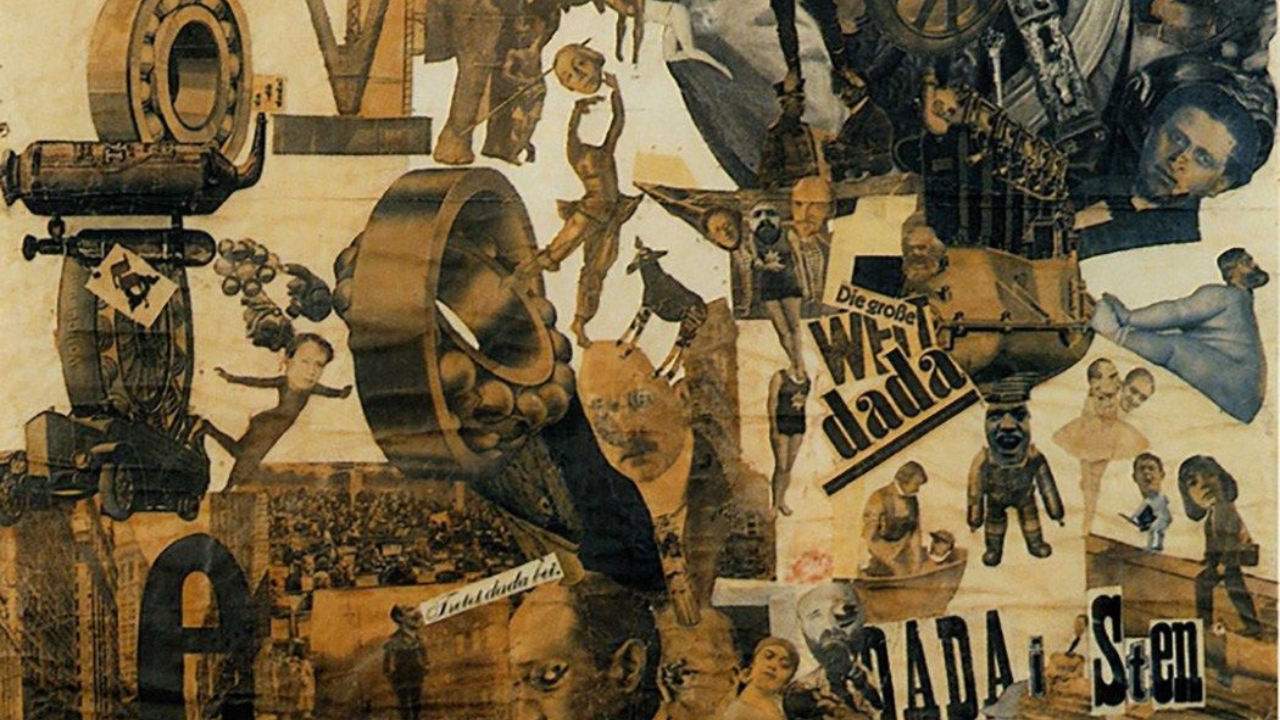
Dadaism began as a rebellious response to the horrors of World War I. Artists rejected logic, reason, and traditional aesthetics, embracing chaos and absurdity instead. It was as much a protest as it was an art movement, challenging the very definition of art itself.

  • Creator / Artist – Founded by artists like Tristan Tzara, Hugo Ball, and Hans Arp, a group of anti-war creatives.

  • Year / Time Period – Around 1916, during World War I.

  • Origin / Location – Zurich, Switzerland, at the Cabaret Voltaire.

  • Historical Context – Born out of disillusionment with war and nationalism.

  • Significance / Impact – Influenced surrealism and modern conceptual art.

  • Interesting Fact – The name “Dada” was reportedly chosen at random from a dictionary, meaning “hobby horse” in French.

3
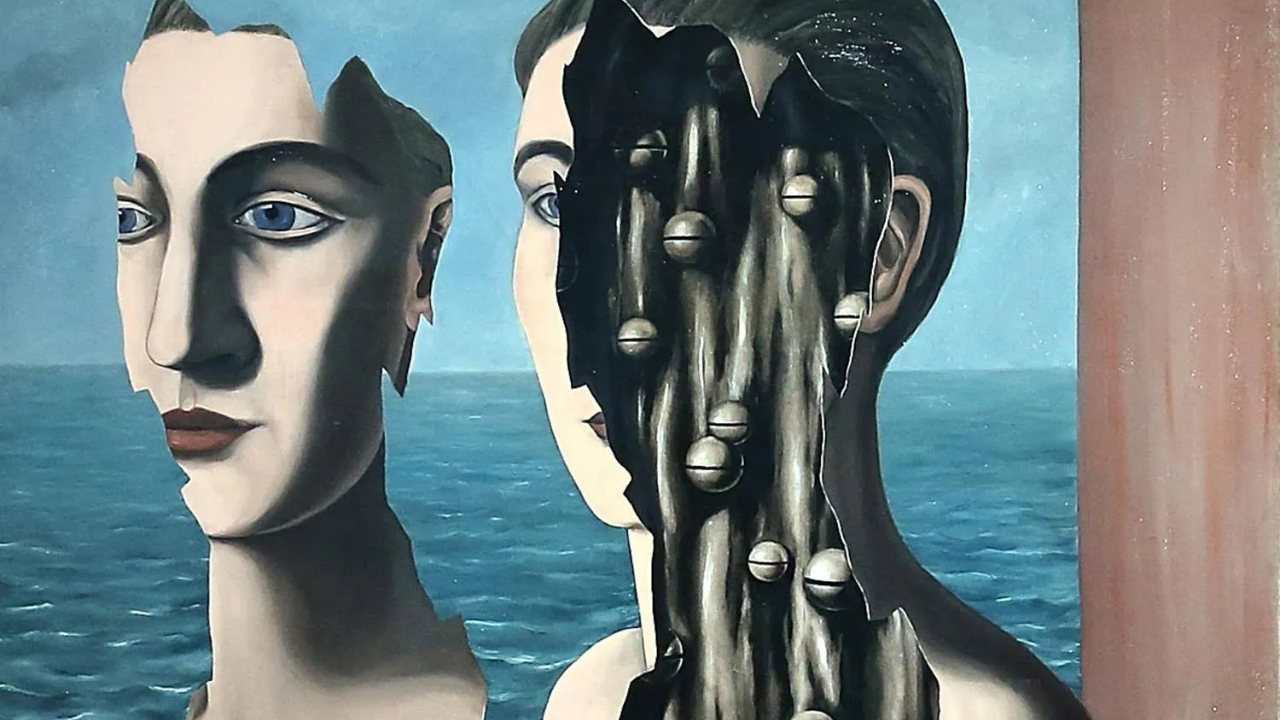
Surrealism
© Google Images / The Artling

Surrealism

Surrealism took inspiration from dreams, the subconscious, and the irrational mind. It started as an intellectual movement but quickly turned into a playground for bizarre and imaginative art.

  • Creator / Artist – Led by André Breton, a French writer and theorist.

  • Year / Time Period – Emerged in the 1920s.

  • Origin / Location – Paris, France.

  • Historical Context – Influenced by Freudian psychoanalysis and post-war disillusionment.

  • Significance / Impact – Transformed art by exploring dreams and the unconscious.

  • Interesting Fact – Surrealists often used automatic drawing, letting the hand move freely without conscious control.

4
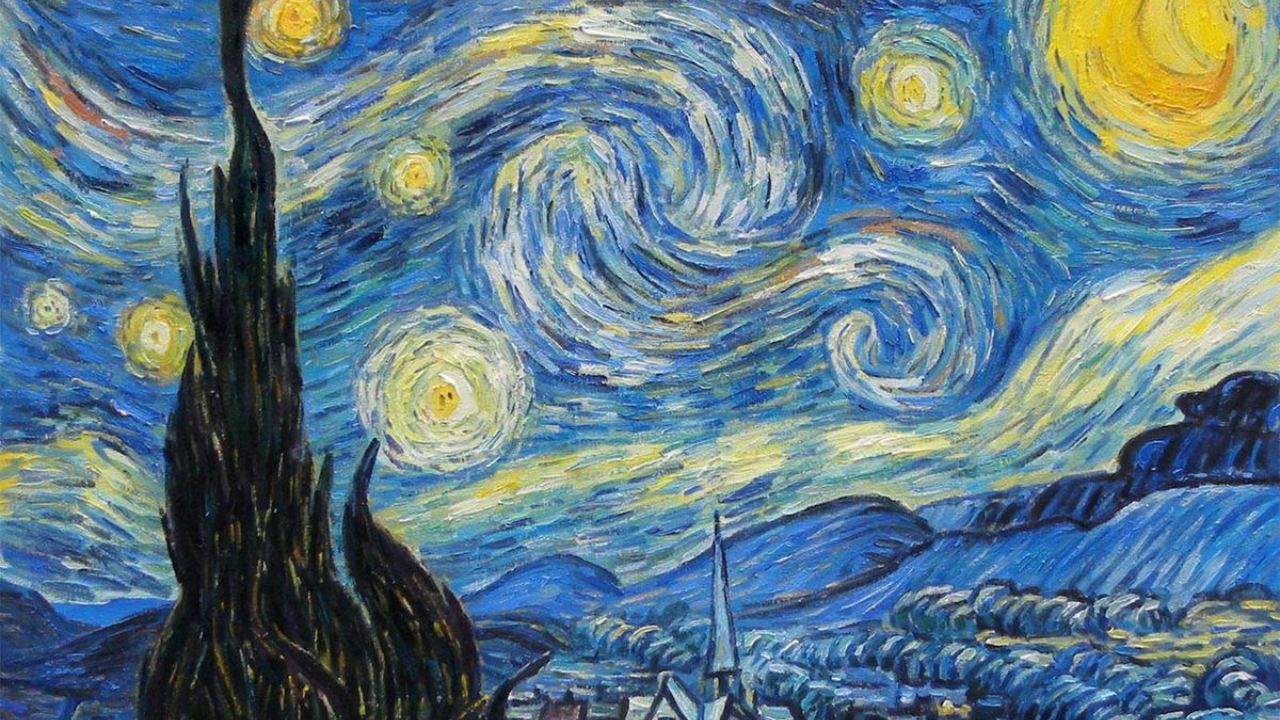
Impressionism
© Pinterest / LittleLiah

Impressionism

Impressionism began as a rejected style. Artists were initially mocked for their loose brushwork and unfinished look, but their “impressions” of light and color eventually changed art forever.

  • Creator / Artist – Claude Monet and others like Pierre-Auguste Renoir.

  • Year / Time Period – 1870s.

  • Origin / Location – France.

  • Historical Context – Industrialization and changing urban life influenced subject matter.

  • Significance / Impact – Introduced modern techniques of capturing light and movement.

  • Interesting Fact – The term “Impressionism” came from a critic mocking Monet’s painting Impression, Sunrise.

5
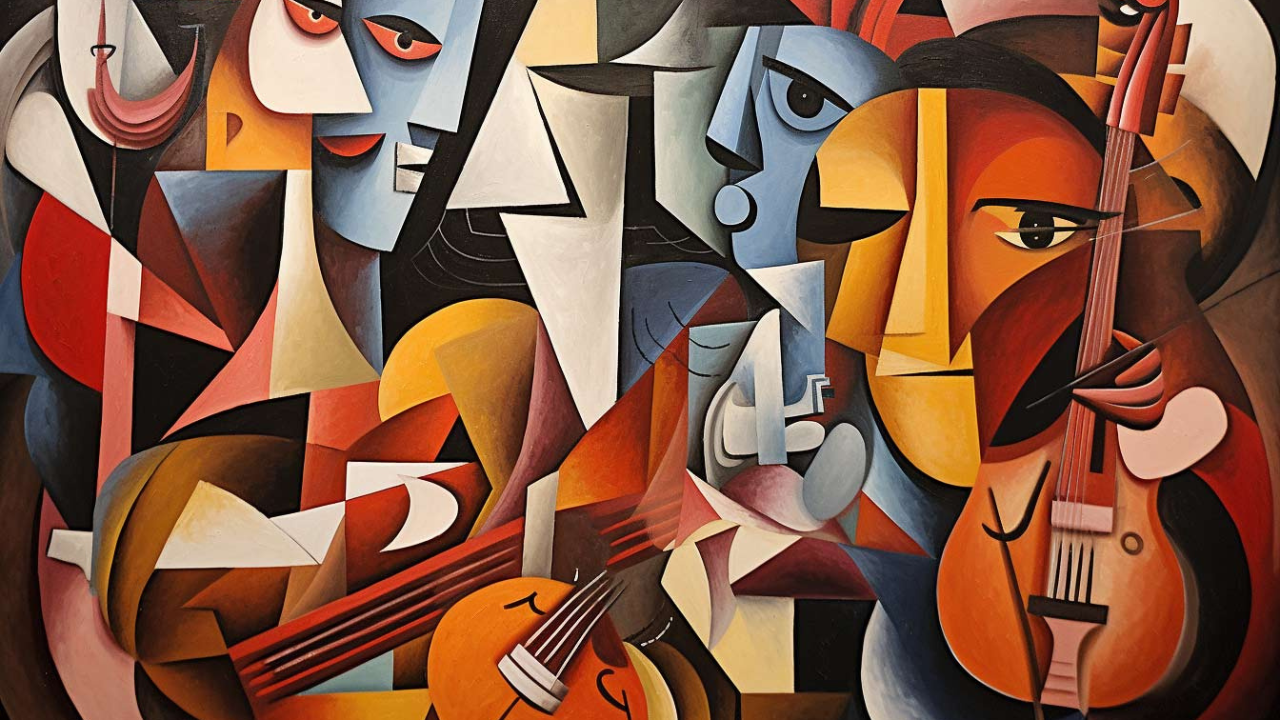
Cubism
© Google / Cubism Artwork

Cubism

Cubism shattered traditional perspective by breaking objects into geometric shapes. It started as an experimental collaboration that redefined how space and form could be represented.

  • Creator / Artist – Pablo Picasso and Georges Braque.

  • Year / Time Period – Early 20th century (around 1907).

  • Origin / Location – Paris, France.

  • Historical Context – Influenced by African art and rapid industrial change.

  • Significance / Impact – Revolutionized visual representation and abstract art.

  • Interesting Fact – Early Cubist works were so radical that viewers struggled to understand them.

6
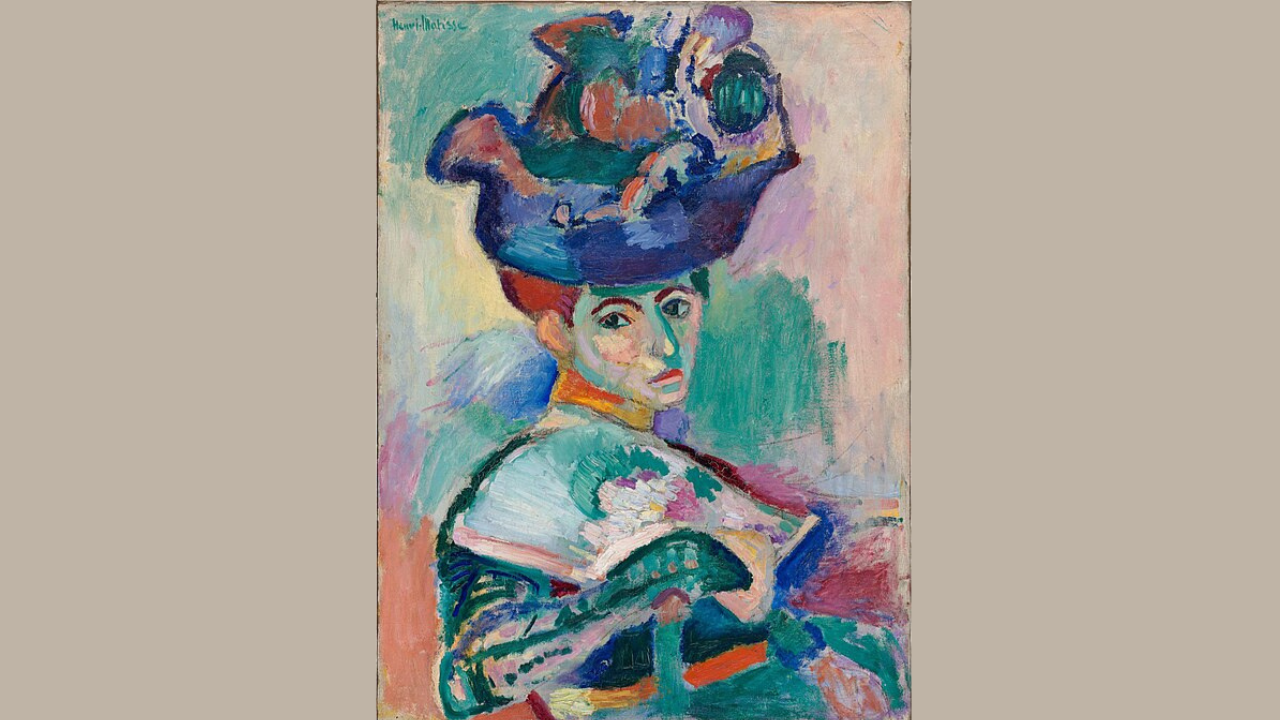
Fauvism
© Wikipedia / http://www.sfmoma.org/explore/collection/artwork/213

Fauvism

Fauvism exploded onto the scene with wild, unnatural colors and bold brushstrokes. The name itself came from a critic who described the artists as “wild beasts.”

  • Creator / Artist – Henri Matisse and André Derain.

  • Year / Time Period – Early 1900s (around 1905).

  • Origin / Location – France.

  • Historical Context – A reaction against traditional realism and academic art.

  • Significance / Impact – Emphasized color as an emotional and expressive tool.

  • Interesting Fact – The name “Fauvism” comes from the French word “fauves,” meaning wild beasts.

7
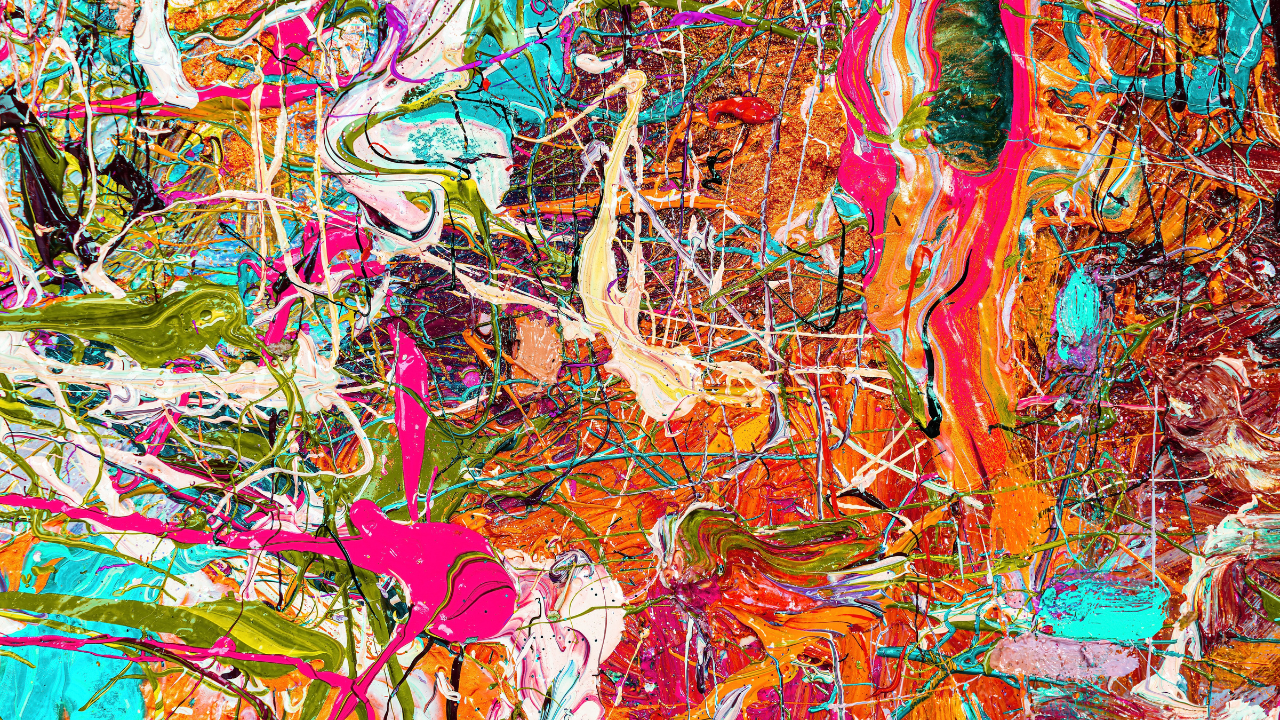
Abstract Expressionism
© Shutterstock / Eugene_Photo

Abstract Expressionism

This movement emerged in post-war America, focusing on spontaneous, emotional expression through abstract forms. Artists often worked on large canvases with energetic gestures.

  • Creator / Artist – Jackson Pollock, Mark Rothko, and others.

  • Year / Time Period – 1940s–1950s.

  • Origin / Location – New York City, USA.

  • Historical Context – Post-World War II era and Cold War tensions.

  • Significance / Impact – Made New York the center of the art world.

  • Interesting Fact – Jackson Pollock famously dripped and splattered paint onto canvases laid on the floor.

8
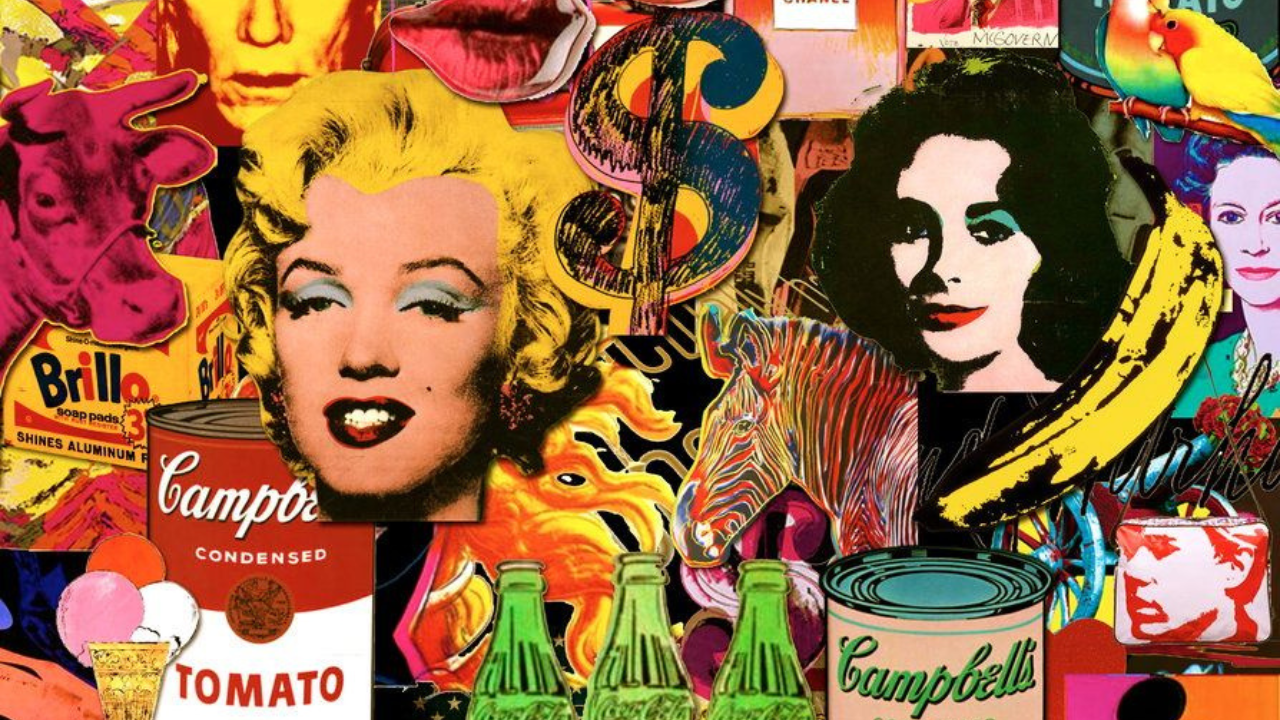
 Pop Art
© Pinterest / MsRetrogirl

Pop Art

Pop Art took inspiration from consumer culture, advertising, and mass media. It blurred the line between “high art” and popular culture, often with a playful twist.

  • Creator / Artist – Andy Warhol and Roy Lichtenstein.

  • Year / Time Period – 1950s–1960s.

  • Origin / Location – United States and United Kingdom.

  • Historical Context – Rise of consumerism and mass production.

  • Significance / Impact – Challenged traditional ideas of what art could be.

9
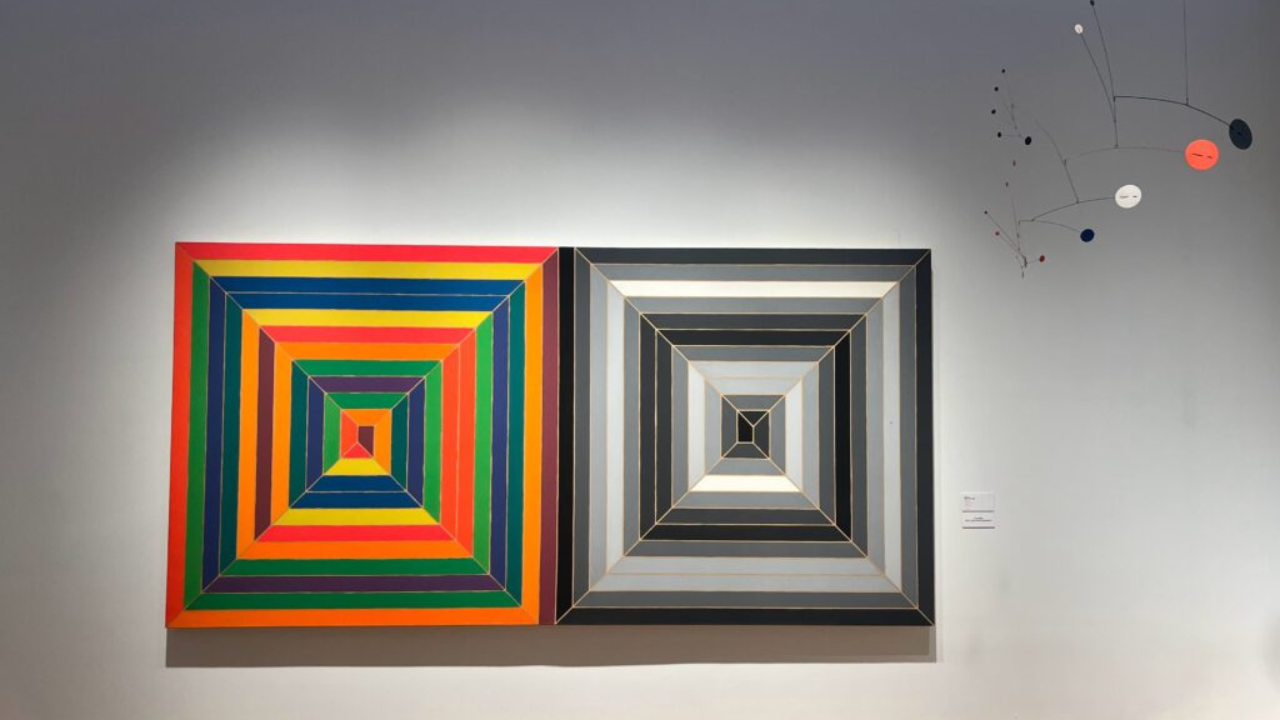
 Minimalism
© Google / Masterworks

Minimalism

Minimalism stripped art down to its essential elements. It focused on simplicity, clean lines, and the idea that less is more.

  • Creator / Artist – Artists like Donald Judd and Frank Stella.

  • Year / Time Period – 1960s.

  • Origin / Location – United States.

  • Historical Context – Reaction against emotional and expressive art forms.

  • Significance / Impact – Influenced modern design, architecture, and visual culture.

  • Interesting Fact – Minimalist art often removes any trace of the artist’s hand or personality.

10
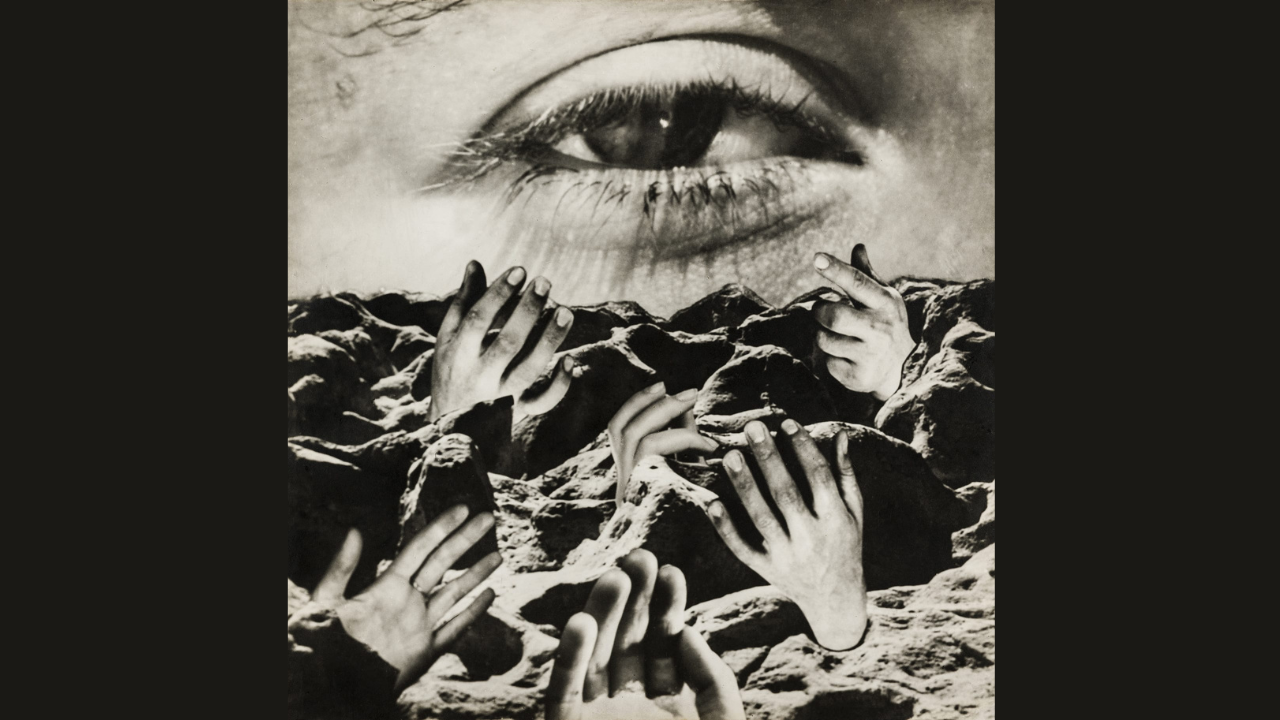
Surrealist Photography
© Google / British Journal of Photography

Surrealist Photography

An extension of Surrealism, this movement explored dreamlike imagery through photography. It turned ordinary scenes into bizarre, otherworldly visuals.

  • Creator / Artist – Man Ray, a key figure in avant-garde photography.

  • Year / Time Period – 1920s–1930s.

  • Origin / Location – Paris, France.

  • Historical Context – Linked to surrealist ideas of the unconscious mind.

  • Significance / Impact – Expanded photography as a fine art medium.

  • Interesting Fact – Man Ray used experimental techniques like solarization to create surreal effects.

11
Street Art Movement
© Pinterest / NOBODY! Activist!

Street Art Movement

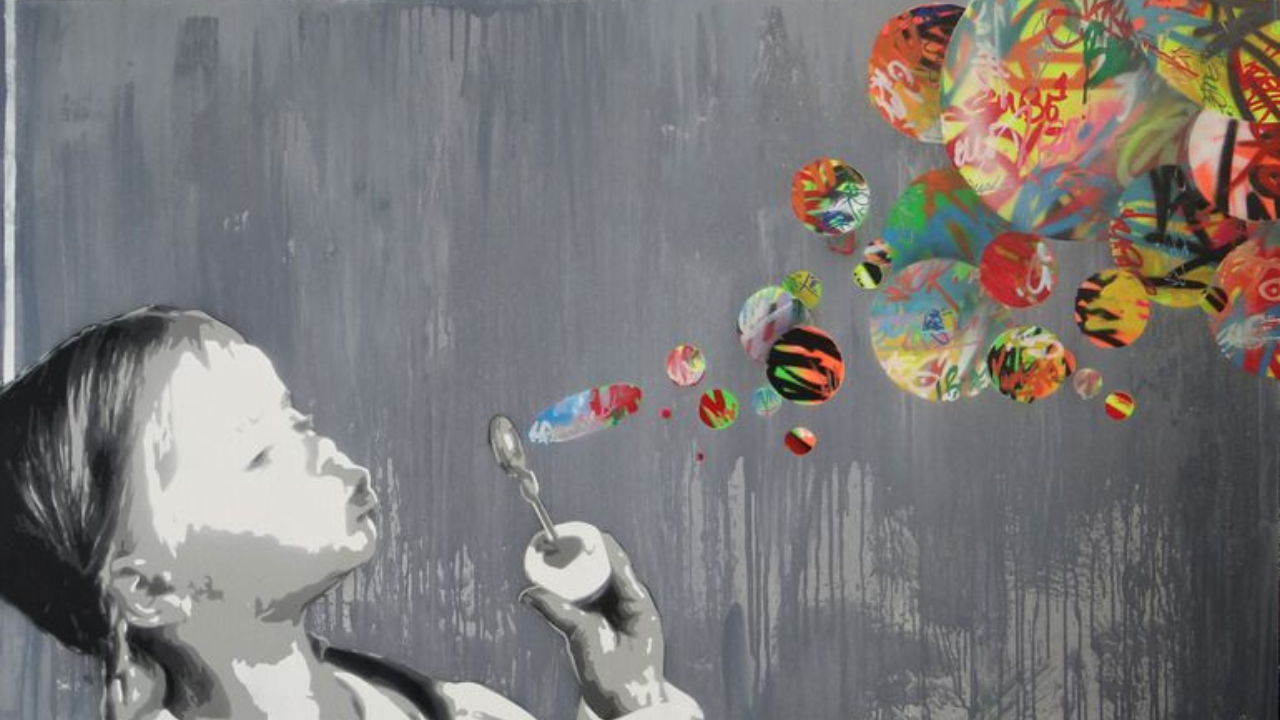
Street art began as a form of underground expression, often seen as vandalism before gaining recognition as legitimate art. It thrives in public spaces and reflects social and political messages.

  • Creator / Artist – Artists like Banksy and Jean-Michel Basquiat (early influence).

  • Year / Time Period – Late 20th century to present.

  • Origin / Location – Major cities worldwide, especially New York and London.

  • Historical Context – Rooted in graffiti culture and urban activism.

  • Significance / Impact – Brought art into public spaces and everyday life.

  • Interesting Fact – Banksy’s identity remains unknown, adding to the mystery of his work.

12
Futurism
© Wikipedia

Futurism

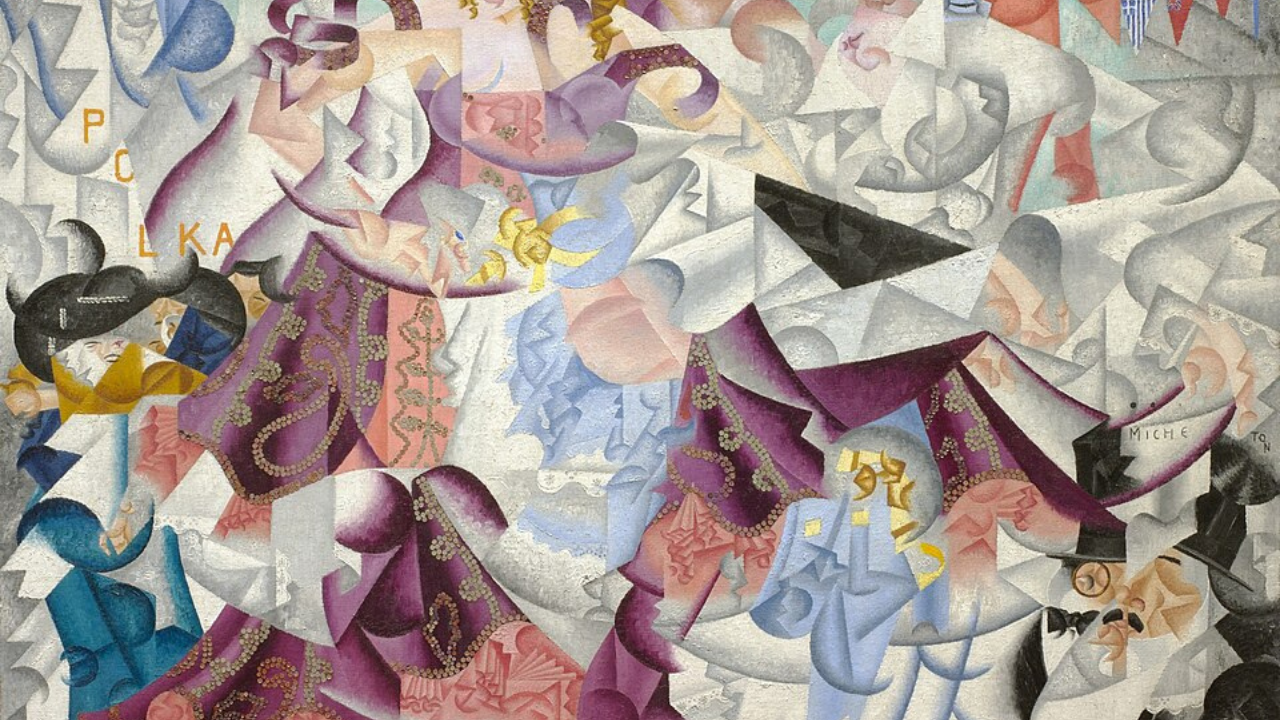
Futurism celebrated speed, technology, and modern life, often glorifying movement and industrialization. It was born out of a fascination with progress and machines.

  • Creator / Artist – Filippo Tommaso Marinetti.

  • Year / Time Period – Early 1900s (1909).

  • Origin / Location – Italy.

  • Historical Context – Pre-World War I era of rapid technological change.

  • Significance / Impact – Influenced modern art, literature, and even politics.

  • Interesting Fact – Futurists admired speed so much that they even glorified cars and airplanes in their manifestos.

13
Conceptual Art
© Shutterstock / Master1305

Conceptual Art

Conceptual Art shifted the focus from the artwork itself to the idea behind it. The concept became more important than the physical object.

  • Creator / Artist – Joseph Kosuth and Sol LeWitt.

  • Year / Time Period – 1960s–1970s.

  • Origin / Location – United States.

  • Historical Context – Reaction against traditional art forms and commercialization.

  • Significance / Impact – Redefined what could be considered art.

  • Interesting Fact – Some conceptual artworks exist only as written instructions, not physical objects. 


Comments (0)

Leave a Reply

No comments yet. Be the first to share your thoughts!