Art and Culture Art Insights and Stories

Legendary Stolen Artworks That Disappeared Without a Trace

Oliver Grant
4.6
April 06, 2026

Art theft continues to captivate historians, detectives, and art lovers alike. Some of the world’s most valuable paintings have vanished in carefully planned heists or mysterious circumstances, leaving behind only speculation and fragmented clues.

These lost masterpieces are more than just missing objects, they are irreplaceable cultural treasures. Each one carries a story that blends artistic brilliance with crime, secrecy, and unanswered questions.
1
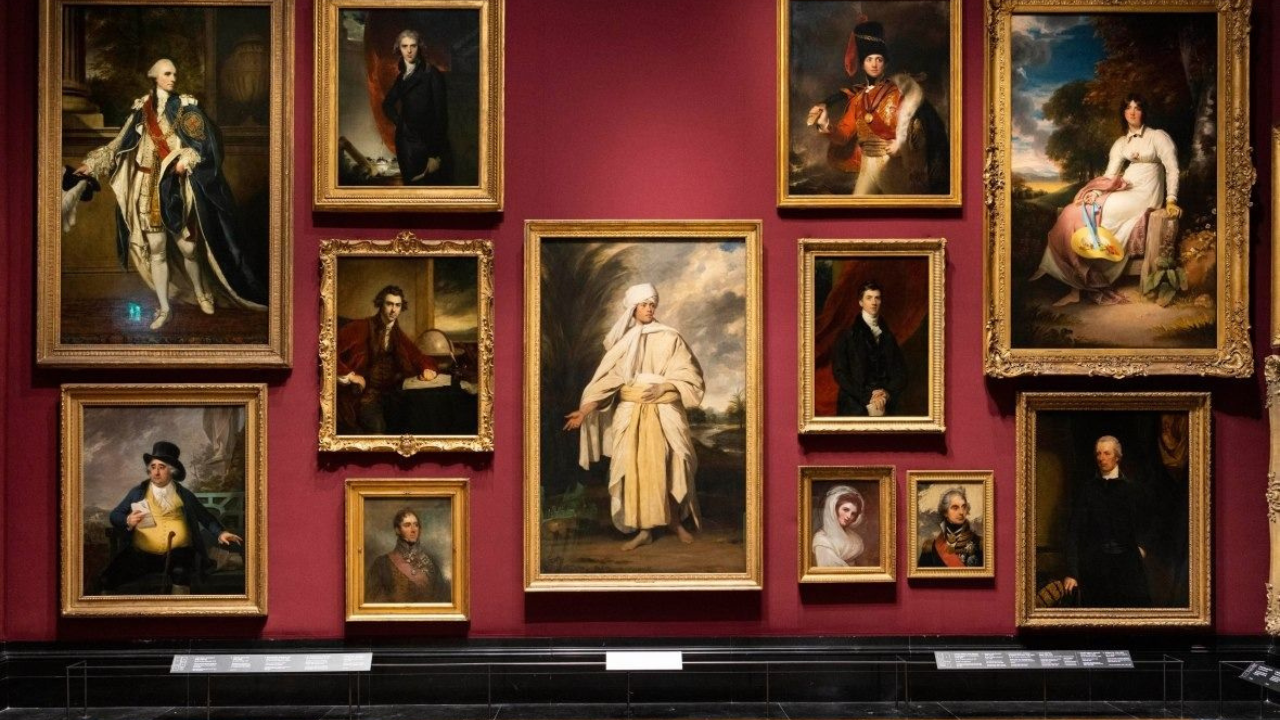
Notorious Cases of Art Theft That Remain Unsolved
© Pinterest / The Times & Sunday Times

Notorious Cases of Art Theft That Remain Unsolved

These artworks were taken under dramatic and often puzzling circumstances, making their stories as fascinating as the art itself. Each piece represents not only immense financial value but also a deep cultural and historical loss. Their disappearance has inspired countless investigations and theories over the years.

2
The Storm on the Sea of Galilee
© Pinterest / Maggie J. Mack

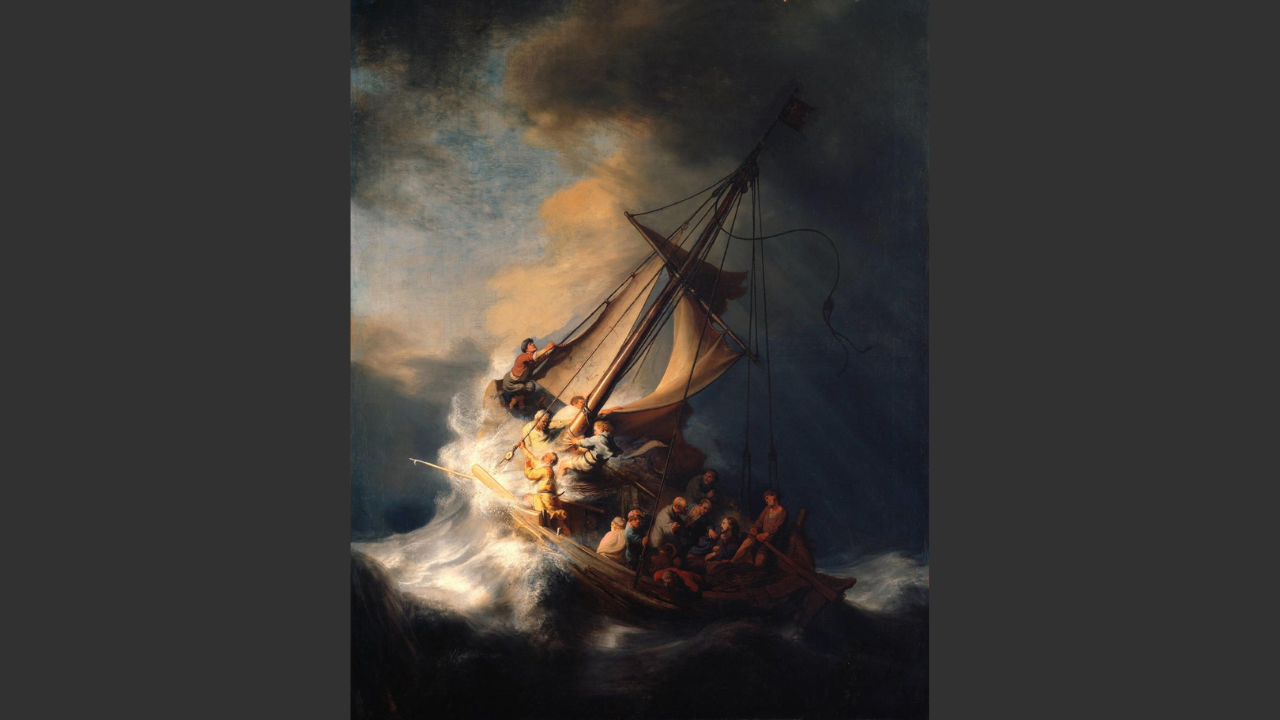
The Storm on the Sea of Galilee

This dramatic seascape remains one of the most mysterious losses in art history.
Its theft is tied to one of the largest and most infamous museum heists ever recorded.

Creator / Artist – Rembrandt van Rijn, a Dutch master known for dramatic lighting and emotional depth in Baroque art.
Year / Time Period – 1633, during the Dutch Golden Age.
Origin / Location – Stolen from the Isabella Stewart Gardner Museum, Boston, USA (never recovered).
Historical Context – The painting reflects the religious and artistic trends of the 17th century, emphasizing biblical storytelling.
Significance / Impact – It was Rembrandt’s only known seascape, making its loss especially devastating.
Interesting Fact – It was stolen in 1990 in one of the largest art heists in history, alongside other masterpieces.

3
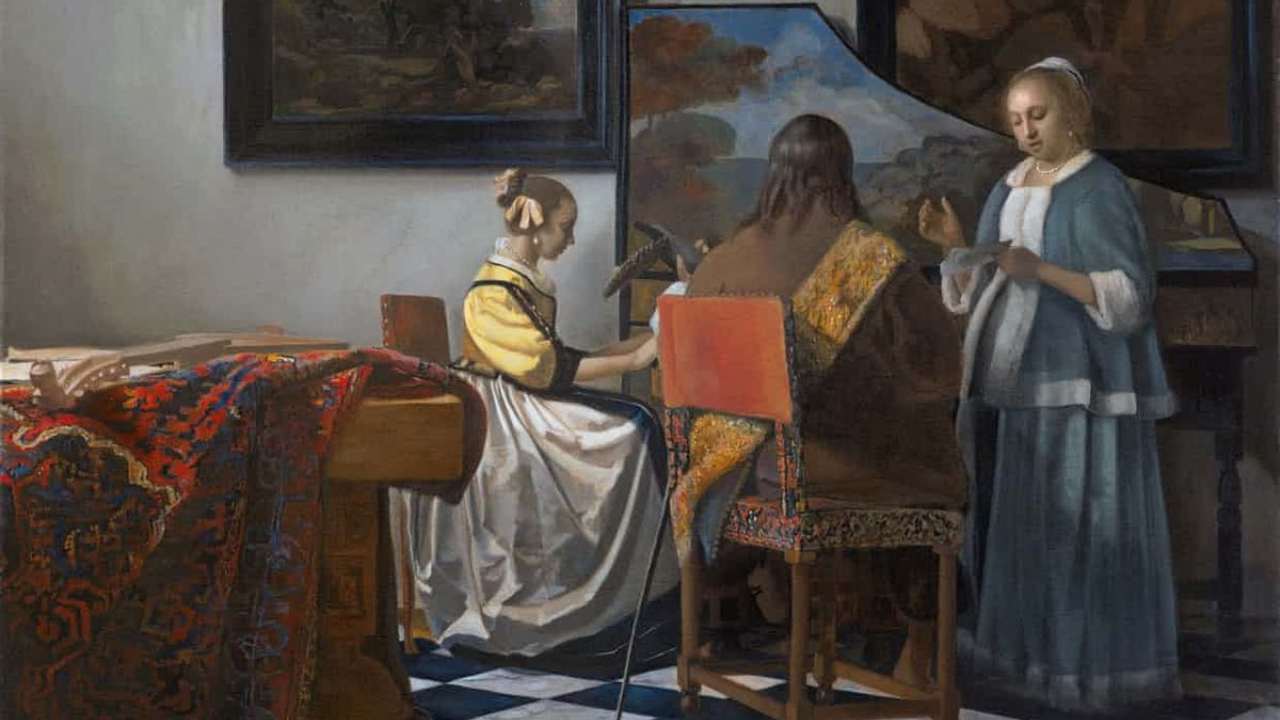
The Concert
© Pinterest/ The Guardian

The Concert

A quiet yet powerful scene that captures the elegance of 17th-century life.
Its disappearance has left one of the rarest collections of Vermeer’s work incomplete.

Creator / Artist – Johannes Vermeer, a Dutch painter famous for his quiet, detailed domestic scenes.
Year / Time Period – c. 1664.
Origin / Location – Stolen from the Gardner Museum in Boston.
Historical Context – Painted during a time when music and social gatherings were symbols of refinement.
Significance / Impact – One of Vermeer’s rare works; only about 34 paintings are attributed to him.
Interesting Fact – It is considered one of the most valuable missing artworks in the world.


4
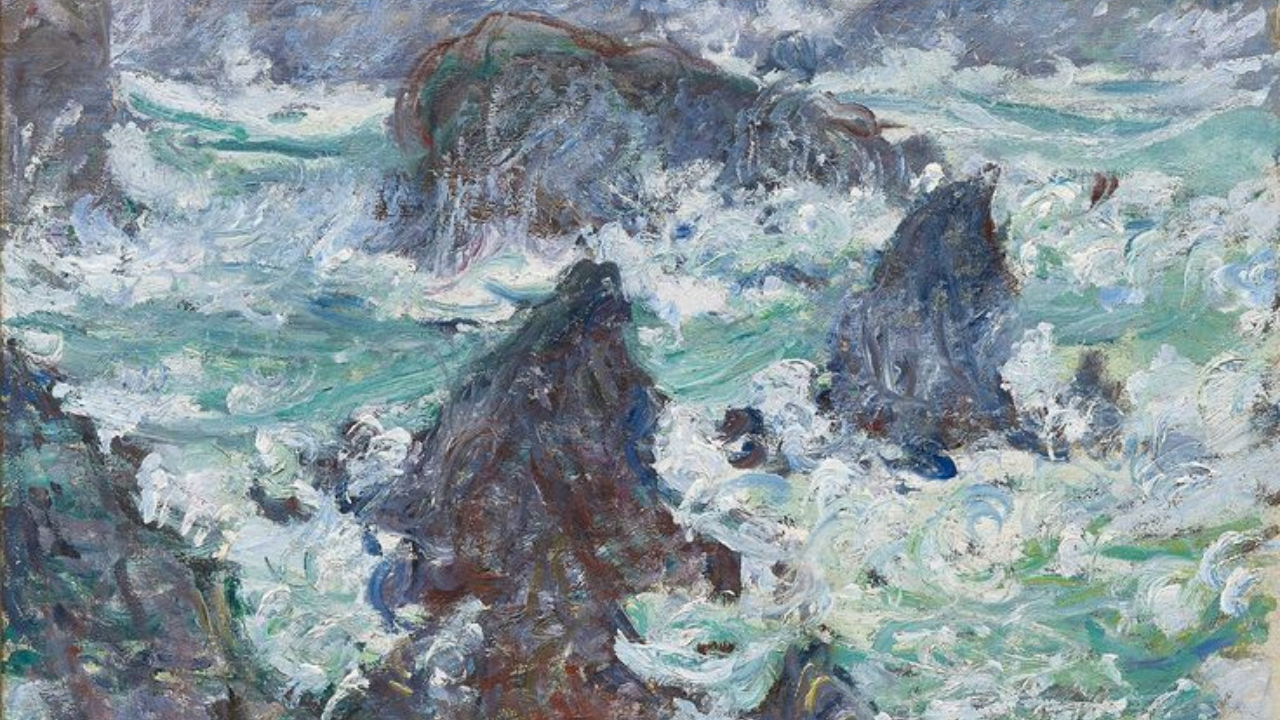
The Storm (Monet)
© Pinterest / Mark Donaldson

The Storm (Monet)

A glimpse into the early evolution of Impressionism.  This missing piece highlights Monet’s exploration of light and atmosphere.

Creator / Artist – Claude Monet, a founder of Impressionism.
Year / Time Period – 1860s.
Origin / Location – Stolen from the Gardner Museum, Boston.
Historical Context – Created during the rise of Impressionism, focusing on light and natural scenes.
Significance / Impact – Represents Monet’s early experimentation with atmospheric effects.
Interesting Fact – It disappeared during the same 1990 heist and remains unrecovered.

5
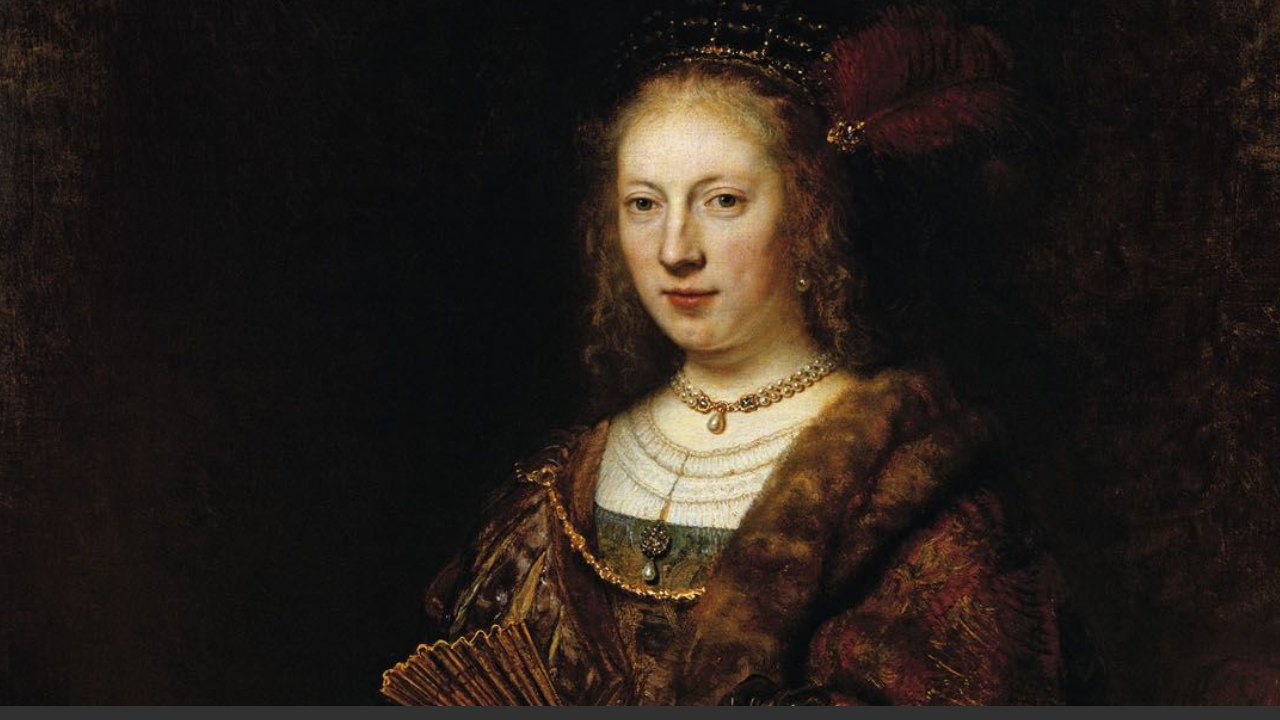
Portrait of a Lady (Rembrandt)
© Pinterest / Fotograf Kine Bakke // Kine Bakke Photography

Portrait of a Lady (Rembrandt)

A delicate portrait reflecting the elegance of Dutch Golden Age society.
Its loss adds to the mystery surrounding the Gardner Museum theft.

Creator / Artist – Rembrandt van Rijn
Year / Time Period – 1630s
Origin / Location – Stolen from the Gardner Museum.
Historical Context – Reflects the Dutch fascination with portraiture and status.
Significance / Impact – A valuable example of Rembrandt’s portrait mastery.
Interesting Fact – The painting’s identity has been debated among experts.

6
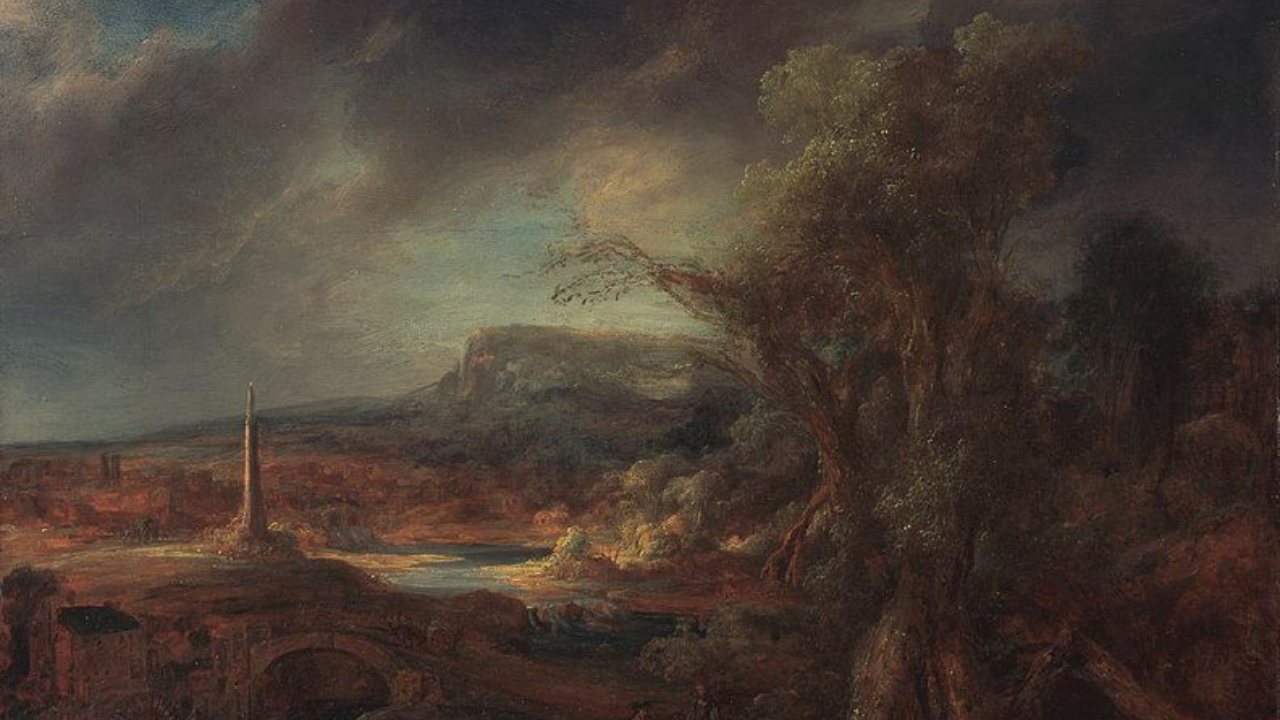
Landscape with an Obelisk
© Pinterest / Wikimedia Foundation

Landscape with an Obelisk

A rare glimpse into Rembrandt’s landscape work.
Its disappearance remains one of the unsolved mysteries of the art world.

Creator / Artist – Rembrandt van Rijn
Year / Time Period – 1630s
Origin / Location – Gardner Museum theft.
Historical Context – Landscape art was gaining importance in Dutch culture.
Significance / Impact – One of the few known Rembrandt landscapes.
Interesting Fact – Still unaccounted for despite extensive investigations.

7
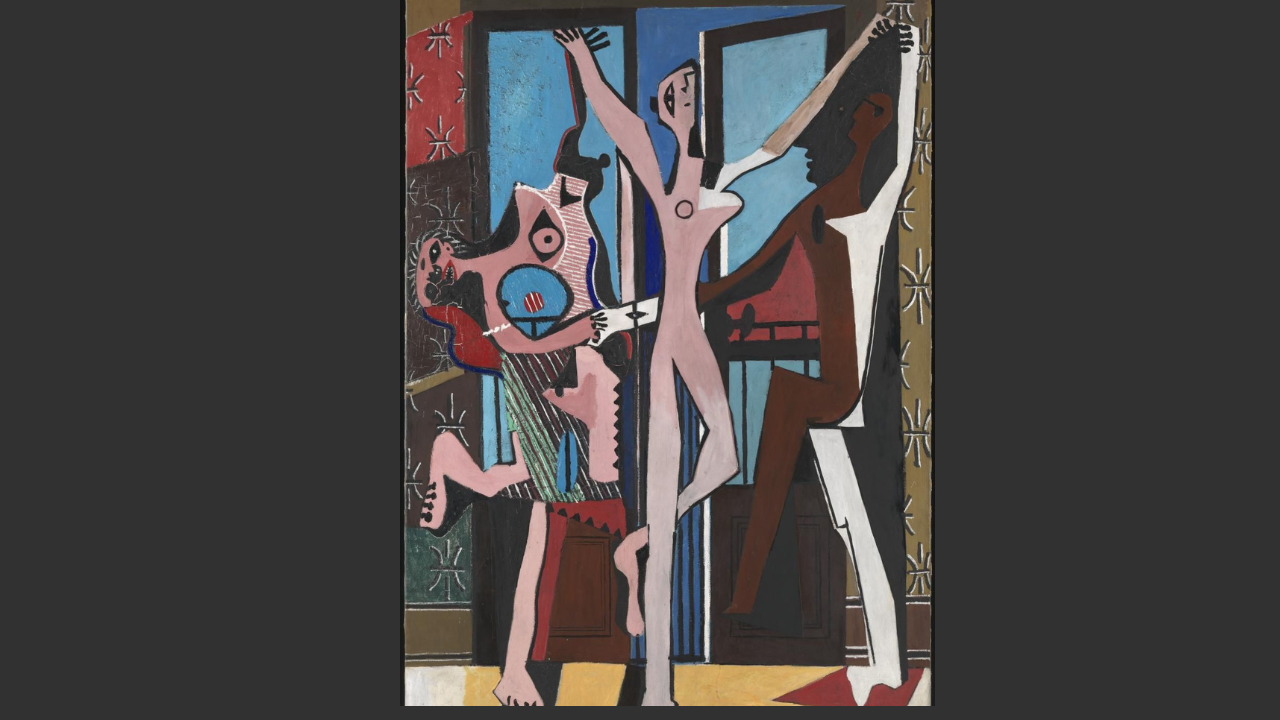
The Three Dancers
© Pinterest / Anna Niklova

The Three Dancers

A vibrant work capturing movement and energy in dance.
Its repeated theft history adds to its legendary status.

Creator / Artist – Edgar Degas, a French Impressionist known for capturing movement.
Year / Time Period – Late 19th century.
Origin / Location – Taken from a private collection in France.
Historical Context – Reflects fascination with ballet and modern life.
Significance / Impact – Highlights Degas’ mastery of motion and form.
Interesting Fact – The painting was stolen twice—first during WWII and later in modern times.

8
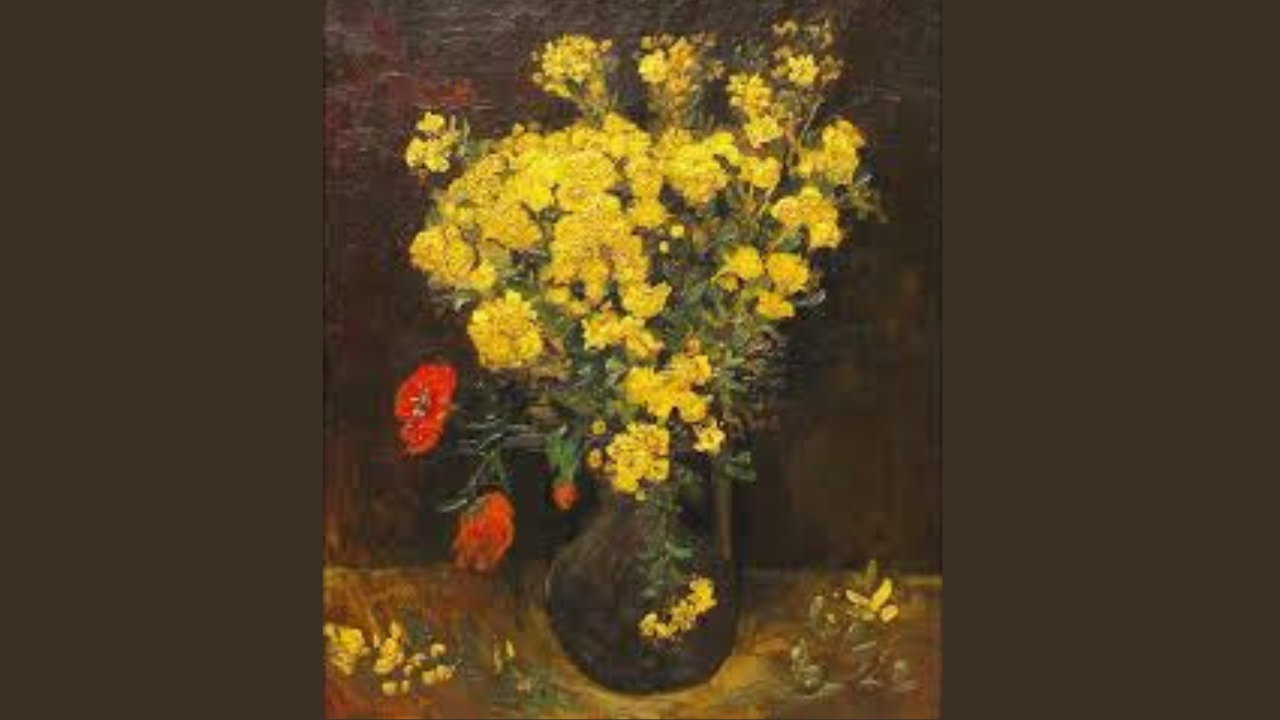
Poppy Flowers
© Wikipedia

Poppy Flowers

A delicate floral painting filled with vivid color and emotion.
Its theft is one of several mysteries surrounding Van Gogh’s works.

Creator / Artist – Vincent van Gogh, a post-Impressionist artist known for emotional intensity.
Year / Time Period – 1887.
Origin / Location – Originally in Egypt, stolen from a museum in Cairo.
Historical Context – Reflects Van Gogh’s fascination with color and nature.
Significance / Impact – One of his valuable floral compositions.
Interesting Fact – It has been stolen multiple times in its history.

9
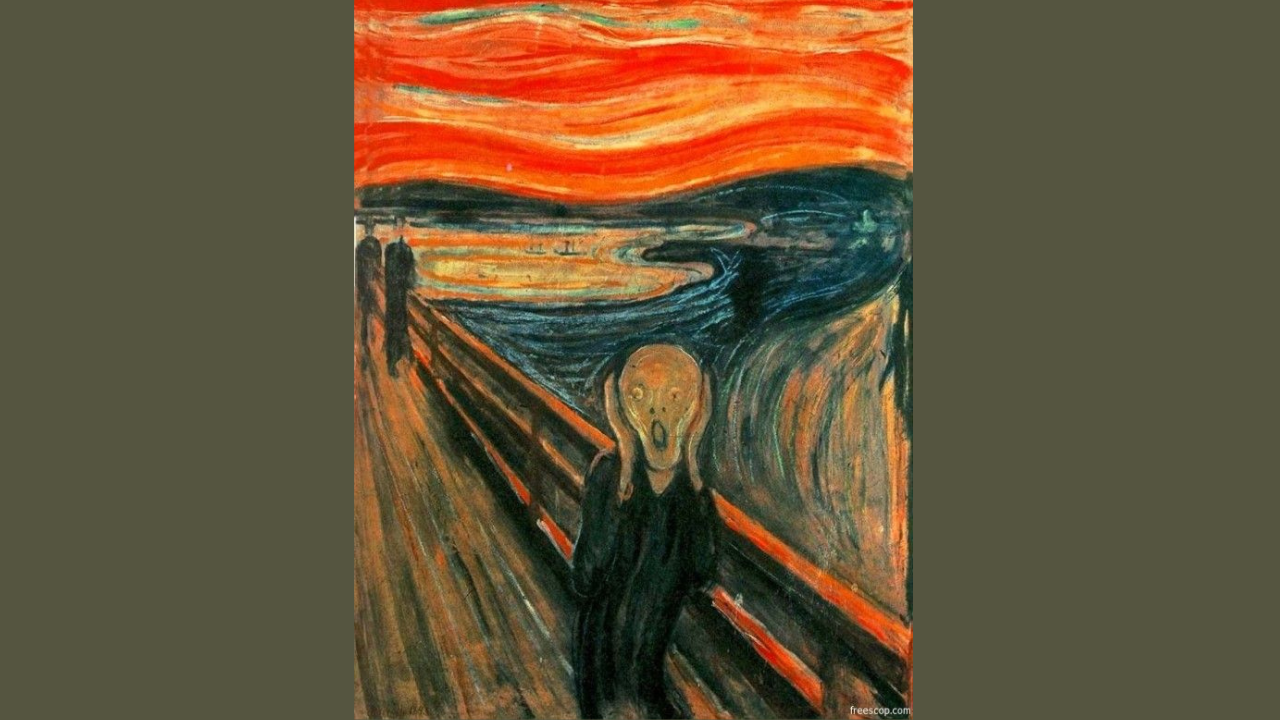
The Scream (Version)
© Pinterest/ Taha Ibrahim

The Scream (Version)

 A haunting image that defines modern psychological expression. Its theft shocked the global art community.

Creator / Artist – Edvard Munch, a Norwegian expressionist painter.
Year / Time Period – 1893 (one version stolen in 2004).
Origin / Location – Stolen from the Munch Museum, Oslo.
Historical Context – Expressionism reflected psychological anxiety and modern alienation.
Significance / Impact – One of the most iconic images in art history.
Interesting Fact – The stolen version was later recovered after two years.


10
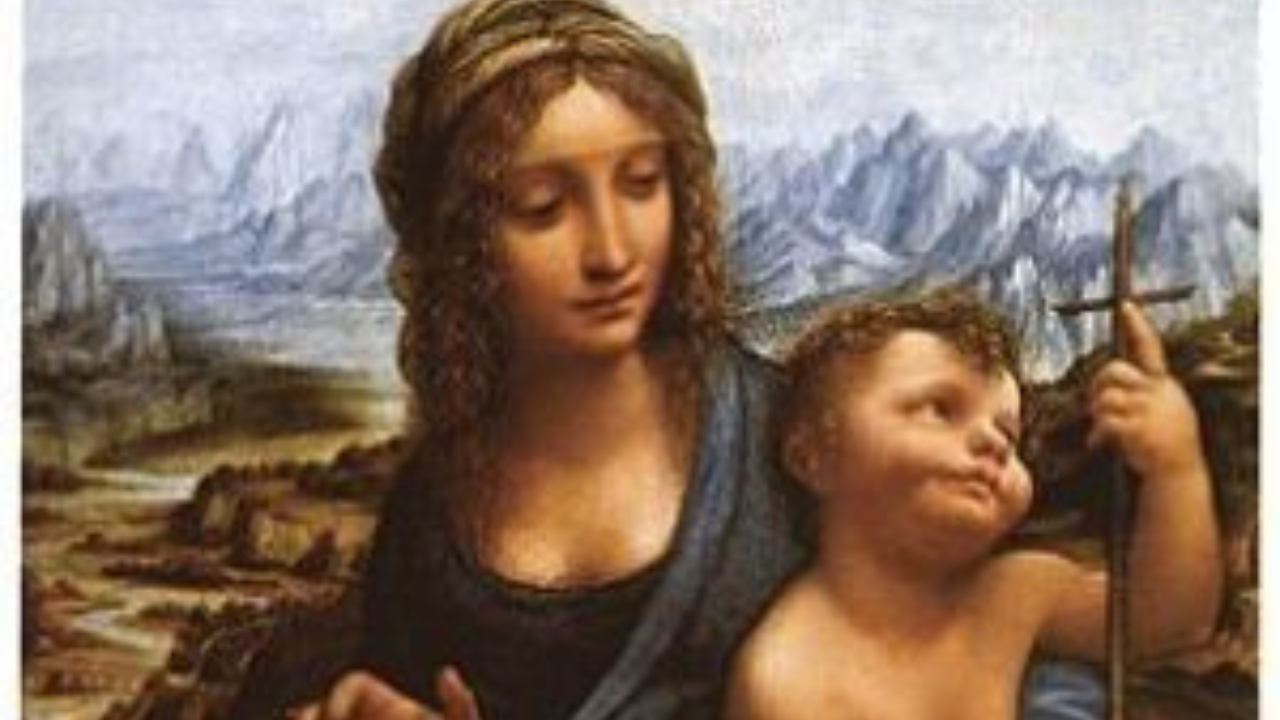
Madonna of the Yarnwinder
© Pinterest / Alpaca Meadows

Madonna of the Yarnwinder

A graceful example of Renaissance religious art. Its mysterious disappearance continues to intrigue historians.

Creator / Artist – Leonardo da Vinci, Renaissance polymath.
Year / Time Period – Early 1500s.
Origin / Location – Stolen from Drumlanrig Castle, Scotland.
Historical Context – Created during the High Renaissance.
Significance / Impact – Represents Leonardo’s delicate religious compositions.
Interesting Fact – A version was later recovered, but doubts remain about authenticity.

11
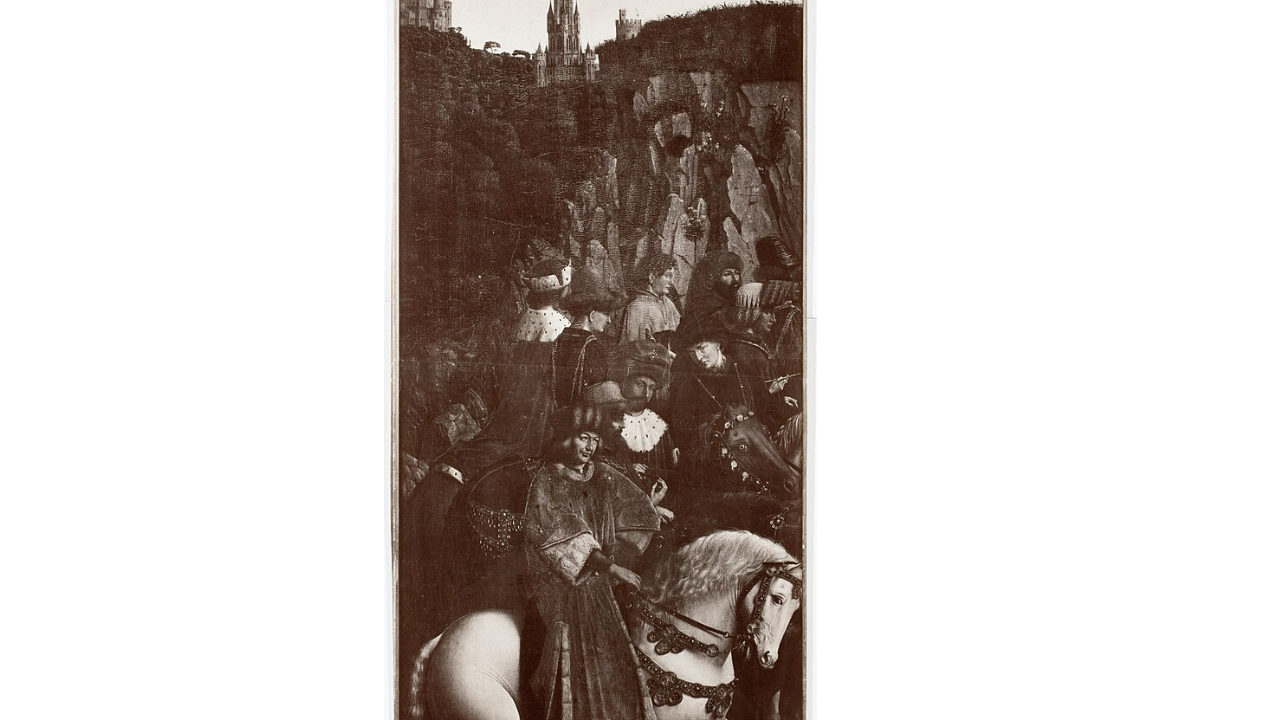
 The Just Judges
© Wikipedia / Max Friedländer

The Just Judges

Part of a world-famous altarpiece that has endured centuries of theft attempts.This panel remains one of the greatest unsolved mysteries in art history.

Creator / Artist – Jan van Eyck
Year / Time Period – 1432
Origin / Location – Stolen from St Bavo's Cathedral
Historical Context – Early Renaissance religious art.
Significance / Impact – Part of the famous Ghent Altarpiece.
Interesting Fact – The panel has never been recovered despite multiple ransom attempts.  


Comments (0)

Leave a Reply

No comments yet. Be the first to share your thoughts!