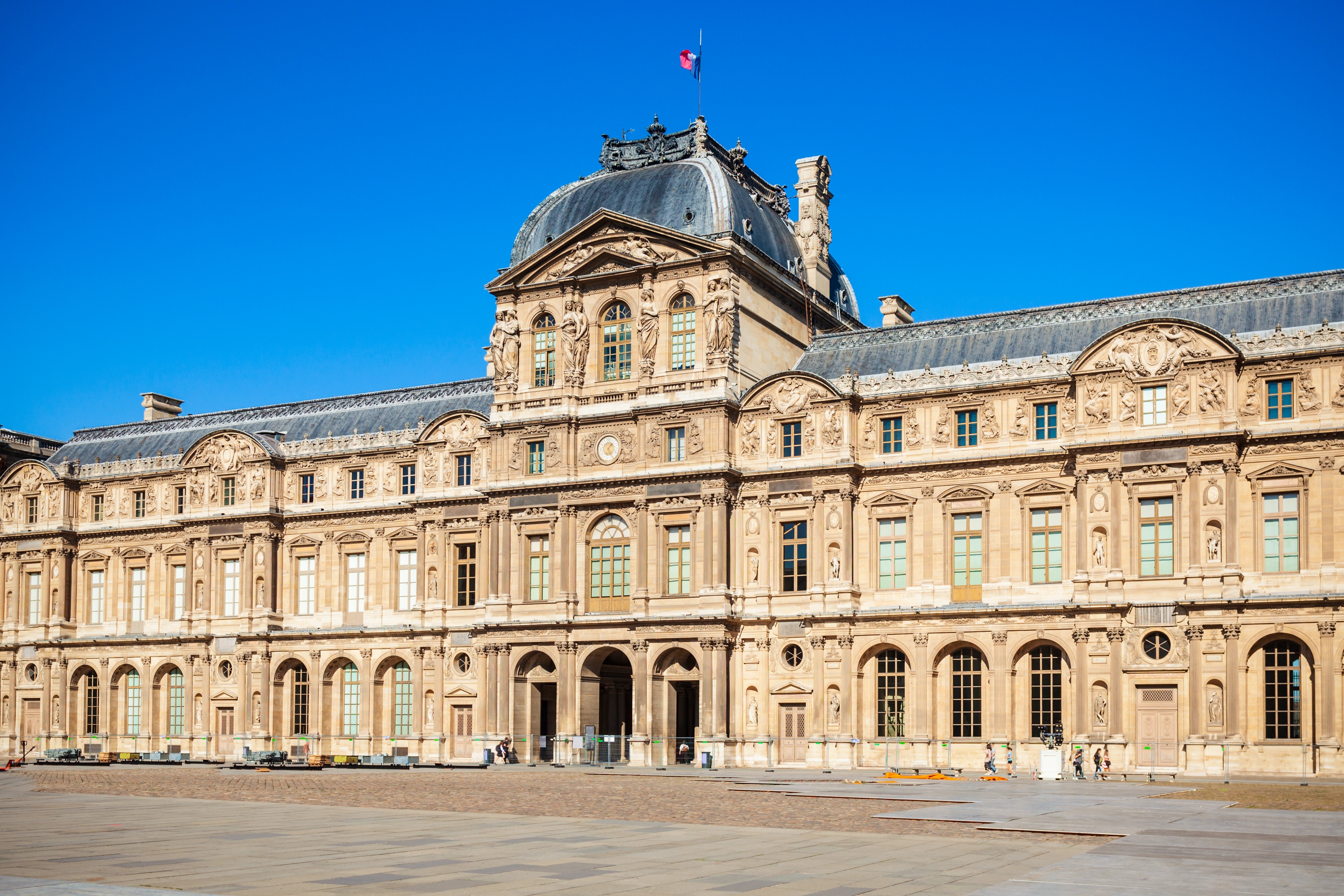
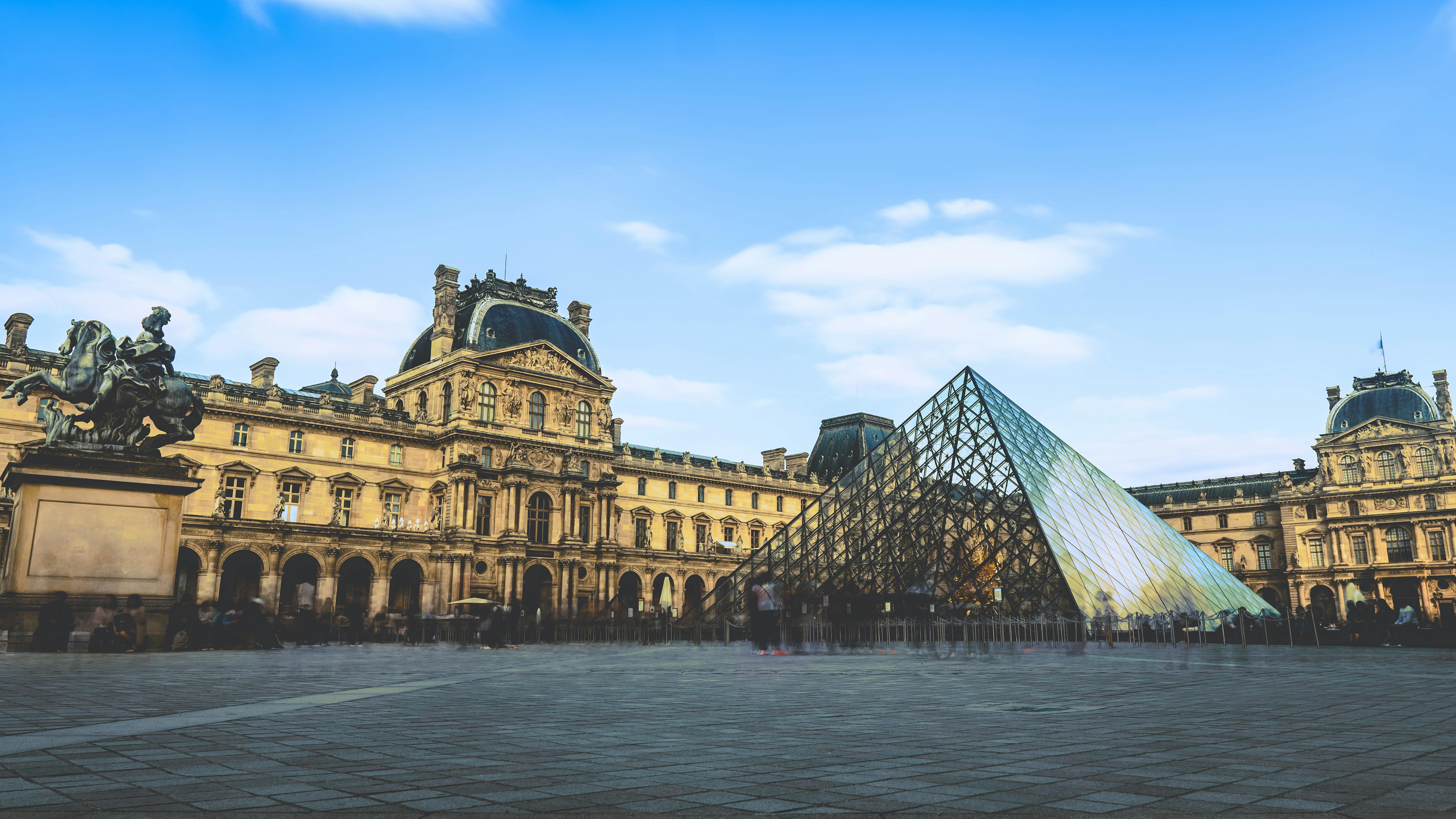
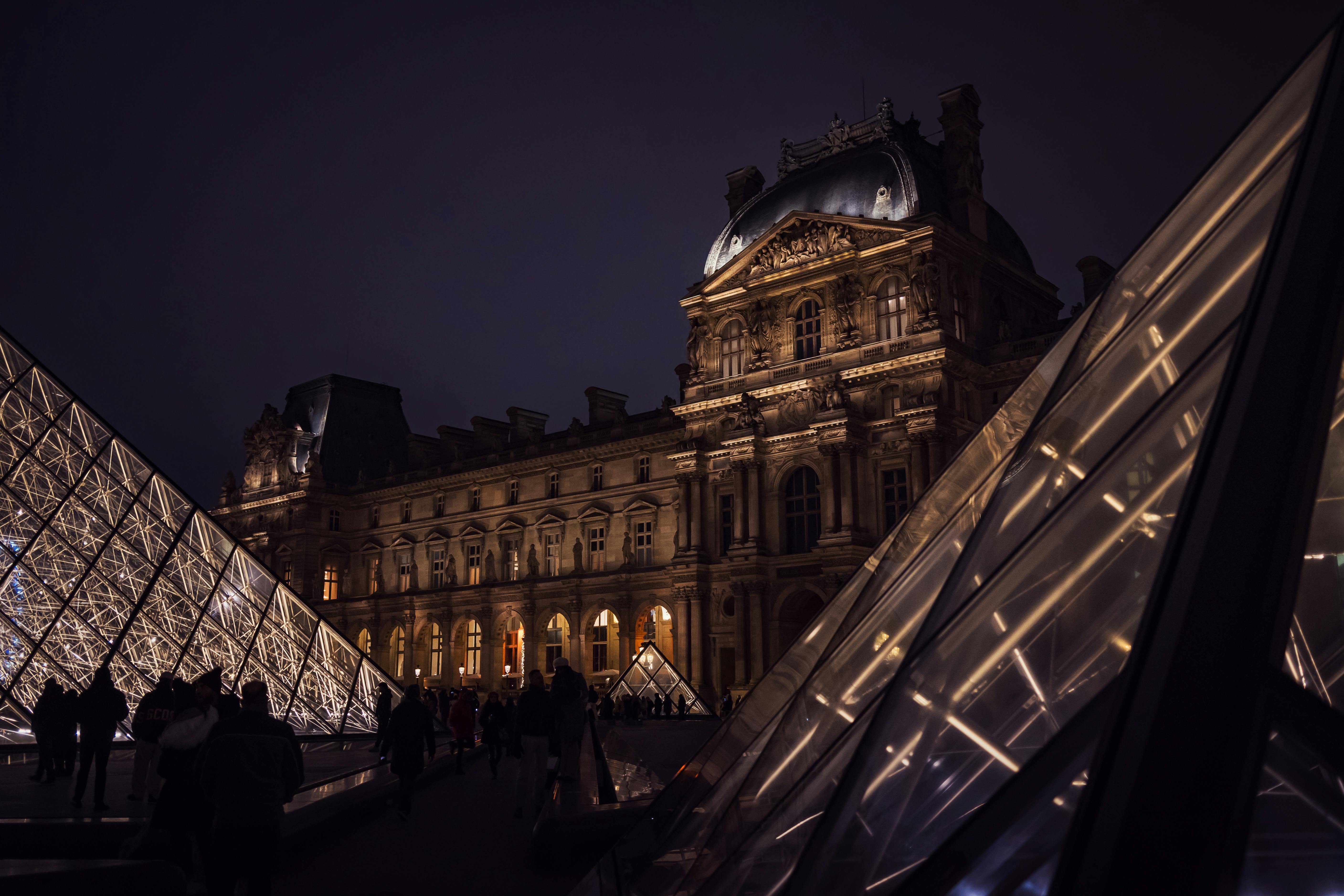
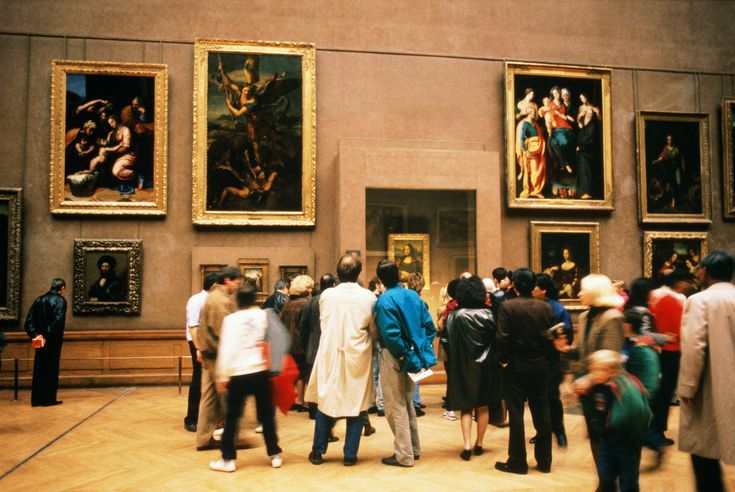
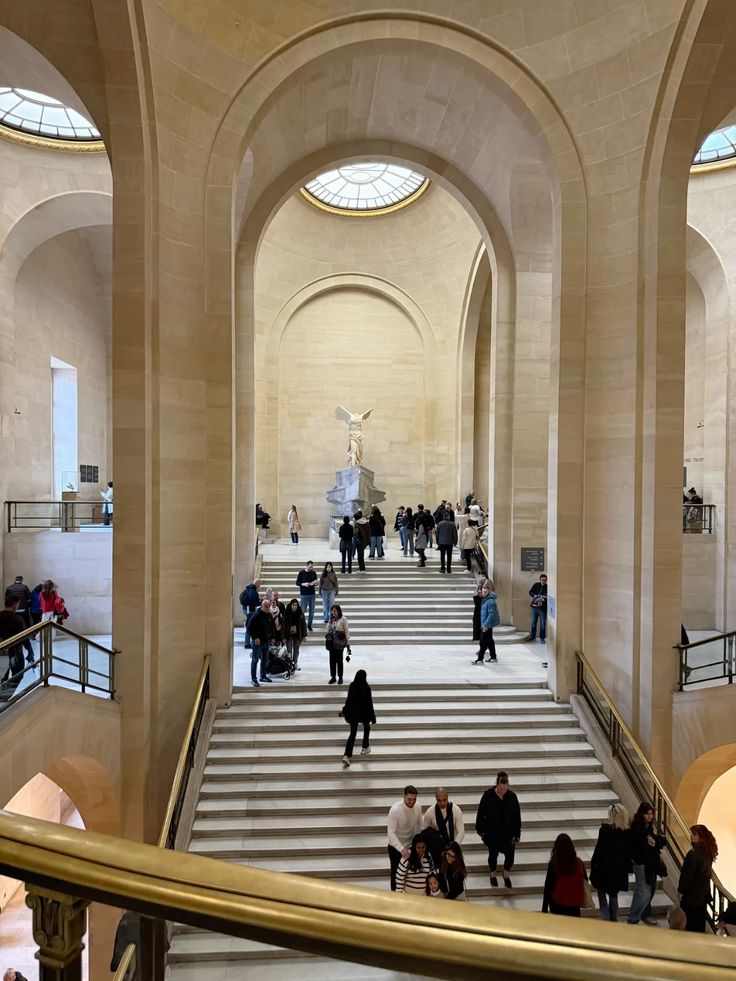
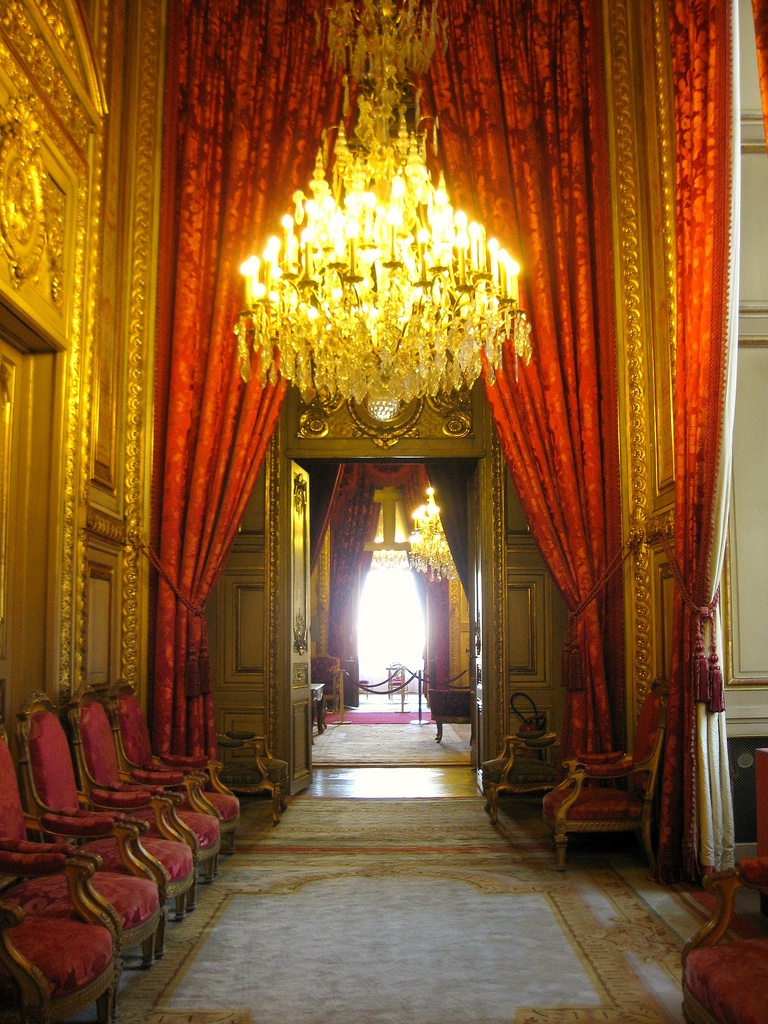
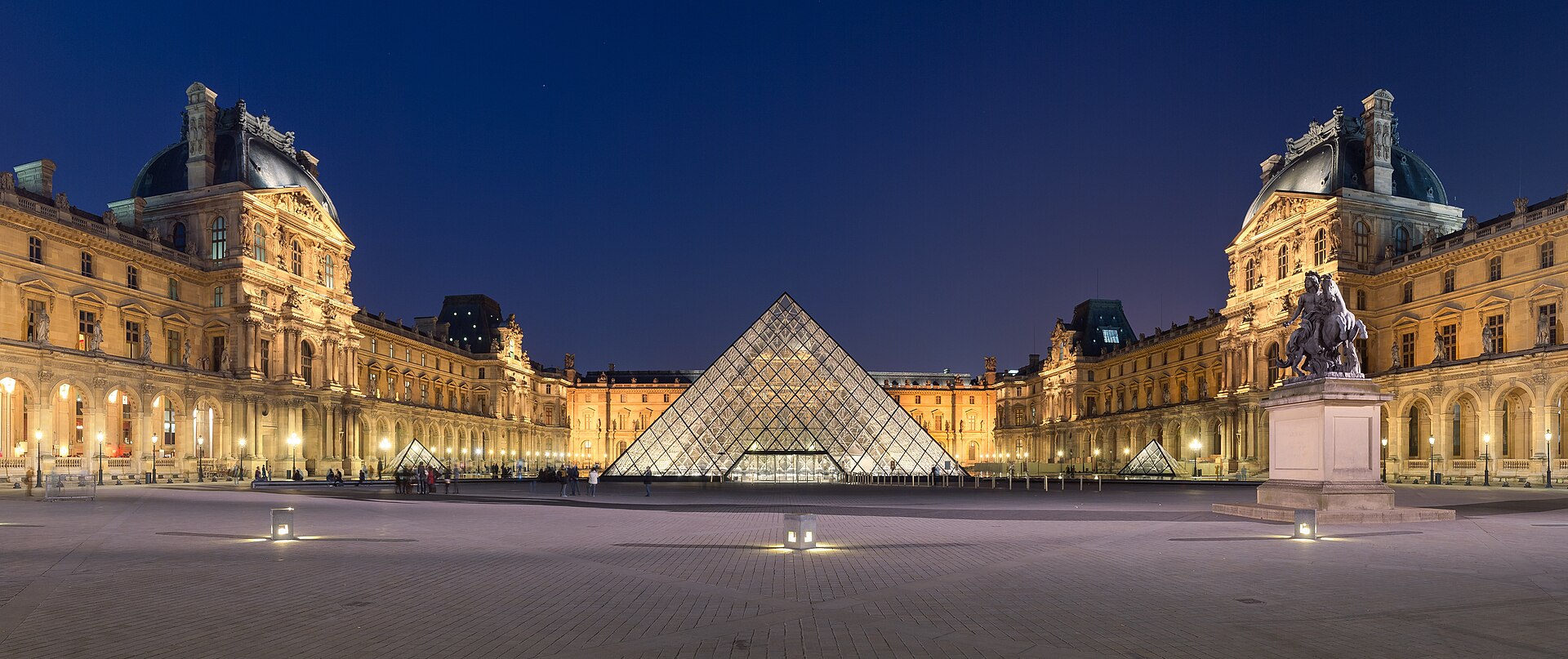
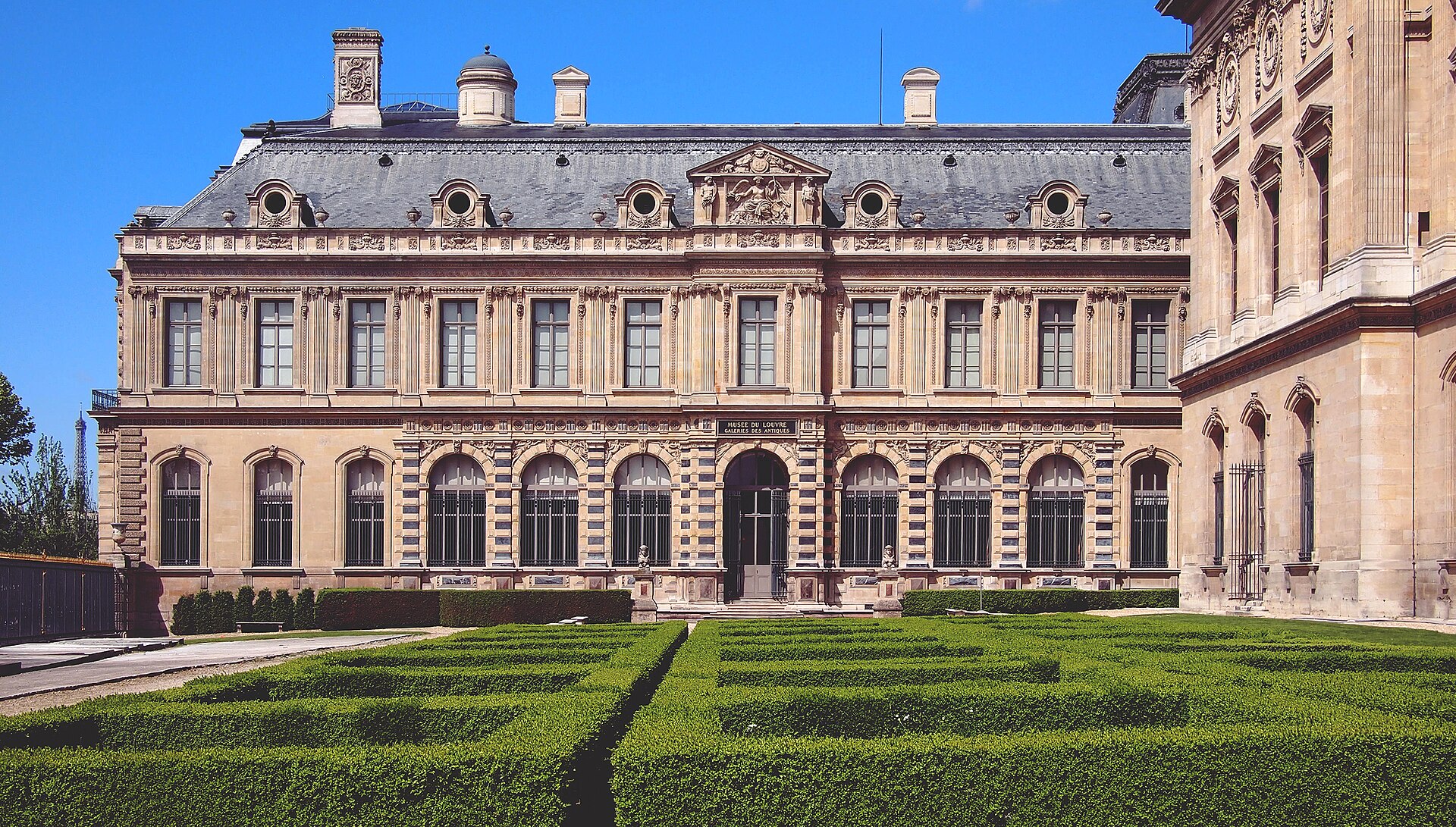
The Louvre is a giant in the art world, showcasing over 35,000 works of art, with hundreds of thousands more stored in its vaults. Have you ever wondered what it takes to protect the world's most iconic treasures? These fascinating statistics and historical secrets reveal a side of the museum that most tourists never experience.
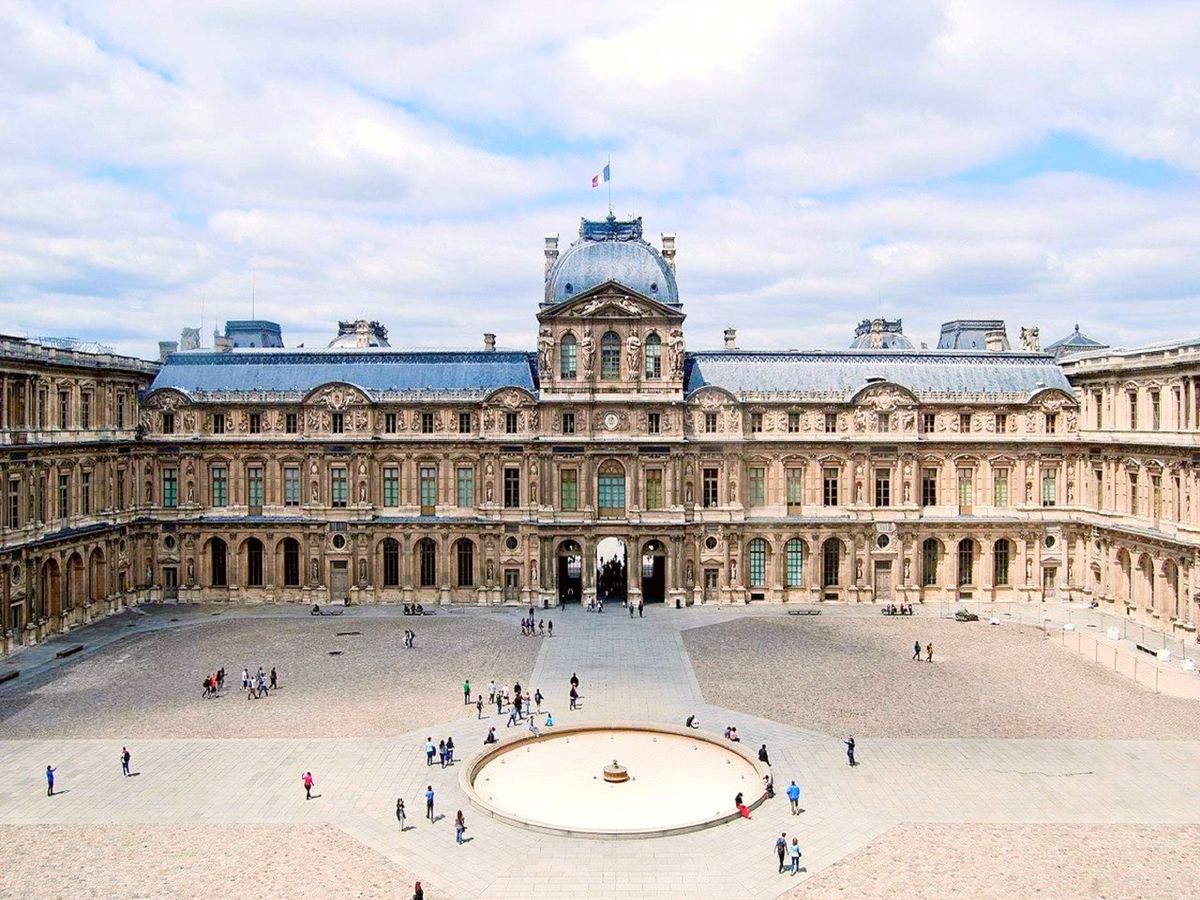
It Began as a Fortress: Originally built as a defensive fortress in 1190, the Louvre was constructed by King Philippe Auguste to safeguard Paris from Viking raids, before later becoming a home for art.
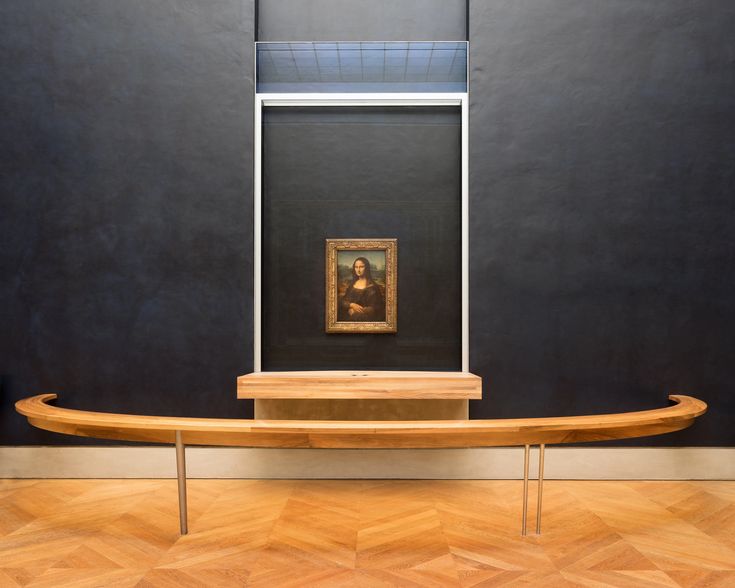
The Nazi Occupation: During WWII, the Louvre was used by the Nazis as a clearinghouse for stolen art. However, many masterpieces, including the Mona Lisa, were evacuated and hidden in the French countryside just days before the invasion.
Napoleon Renamed It: In 1803, the museum was renamed "Musée Napoléon" under the Emperor’s reign. He filled the halls with thousands of pieces of "spoils of war" from his conquests.
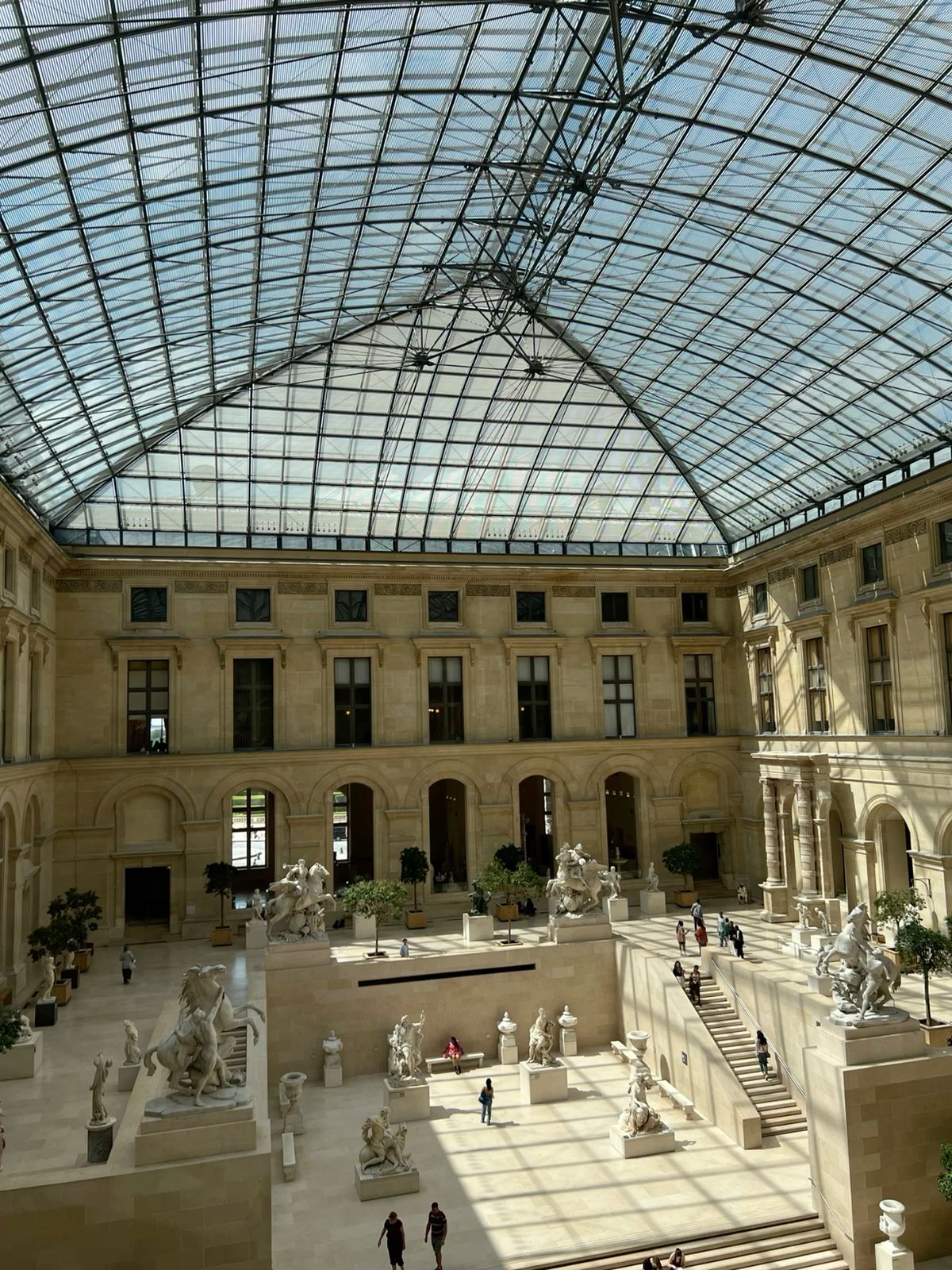
The World’s Largest Museum: It covers an area of roughly 652,300 square feet. If you stretched its galleries out in a single line, they would span over 8 miles.
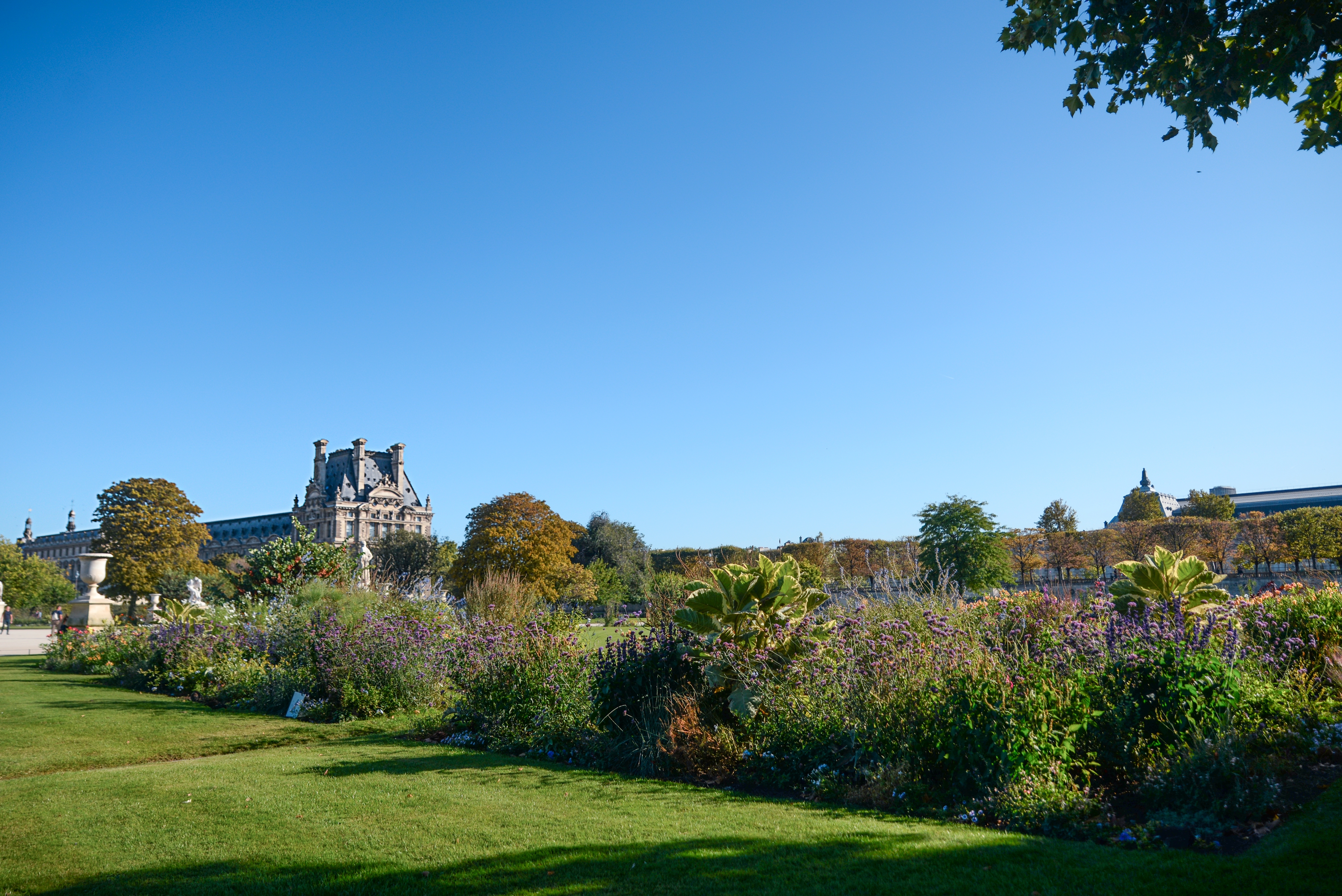
A "Red Ghost" Legend: Folklore says the Louvre is haunted by "Jack the Skinner," a butcher who worked for the royals and was murdered on-site. His ghost, dressed in red, is said to roam the nearby Tuileries Garden.
The 66% Rule: Despite its international collection, approximately 66% of the paintings in the Louvre were created by French artists.
The Louvre Abu Dhabi: The museum’s brand is so powerful that the UAE paid over $500 million just to use the "Louvre" name for their own museum on Saadiyat Island.
Hidden Moats: You can still see the original medieval foundations. When the museum was renovated in the 1980s, archaeologists excavated the 12th-century moat, which is now open to the public in the Sully Wing.
Two Louvre Museums? Technically, there is a second Louvre in France located in the town of Lens. It was opened in 2012 to help decentralize French culture and display works from the Paris collection.
The Smallest Masterpiece: While it houses massive canvases, one of its smallest works is a portrait by Gabrielle d’Estrées, which measures only about 6 centimeters.

No comments yet. Be the first to share your thoughts!