Art and Culture Art and Masterpieces

The Greatest Paintings Ever Created That Changed Art

Claire Morgan
5.0
April 06, 2026

Art has always been a mirror of human history, capturing emotions, beliefs, revolutions, and imagination across centuries. Some paintings, however, rise above time and geography to become universally recognized masterpieces. These works are celebrated not only for their technical brilliance but also for the stories they tell and the cultural shifts they represent. From Renaissance realism to modern abstraction, these paintings continue to inspire artists, historians, and audiences worldwide. Exploring them gives us insight into how art shapes and is shaped by human experience.
1
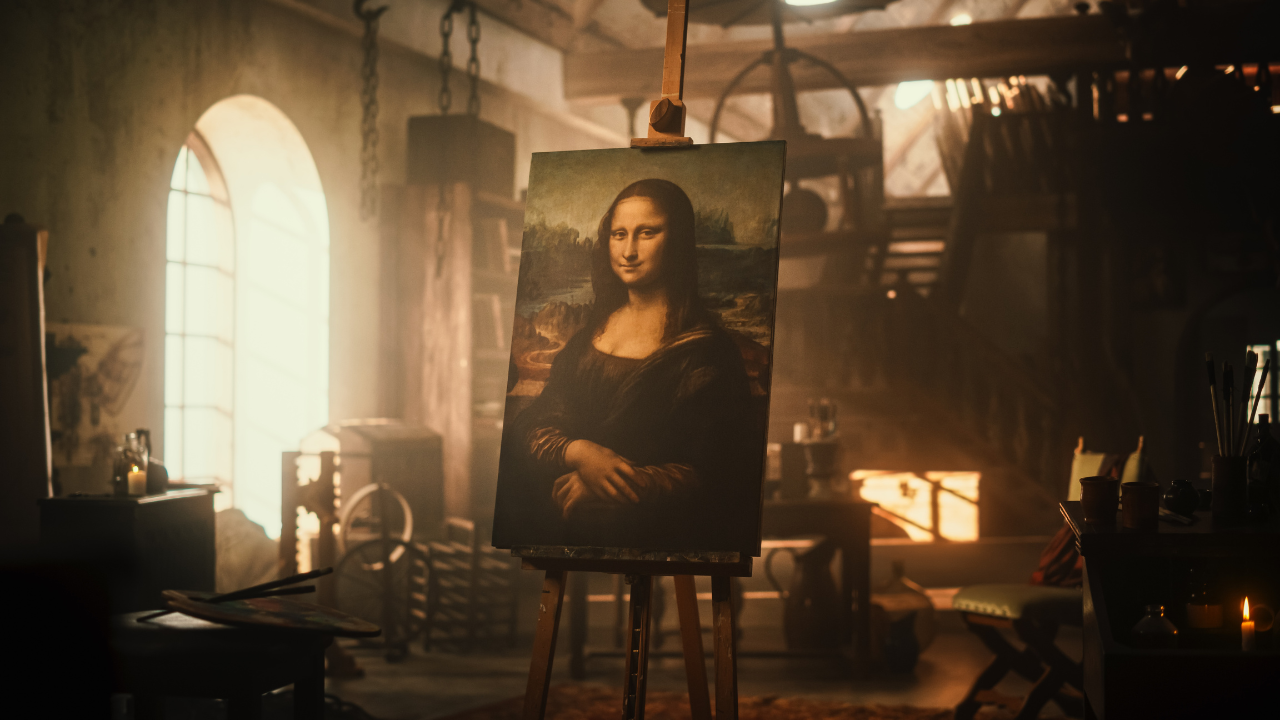
Mona Lisa
© Stutterstock/ Gorodenkoff

Mona Lisa

The Mona Lisa is one of the most recognizable artworks in the world, known for its mysterious expression and captivating gaze. Painted during the Italian Renaissance, it showcases incredible attention to detail and innovative use of perspective. Its fame has grown over centuries, making it a cultural icon.

Creator / Artist – Leonardo da Vinci, a Renaissance polymath known for his mastery of art, science, and engineering.
Year / Time Period – Early 16th century (c. 1503–1506).
Origin / Location – Louvre Museum, Paris, France.
Historical Context – Created during the height of the Renaissance, when humanism and realism flourished.
Significance / Impact – Considered the most famous painting in the world, symbolizing artistic excellence.
Interesting Fact – The subject’s identity is widely believed to be Lisa Gherardini, a Florentine woman.  

2
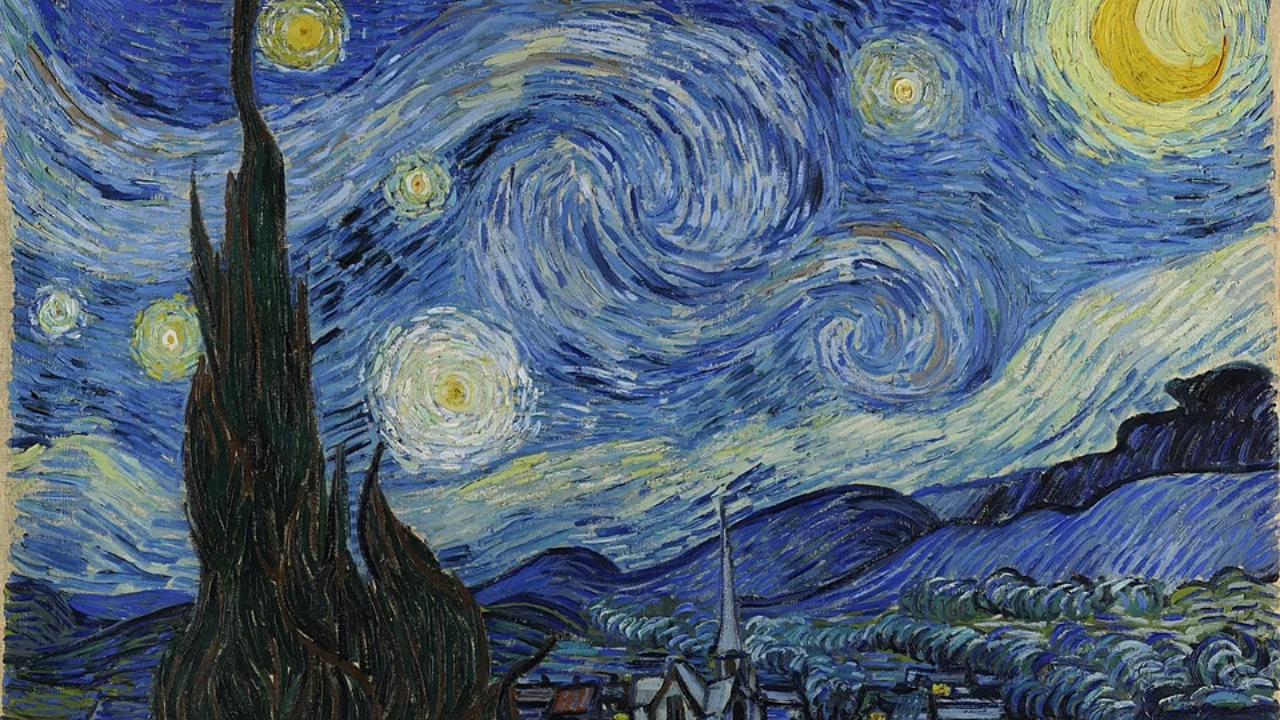
The Starry Night
© Pinterest/ LittleLiah

The Starry Night

This painting captures a swirling night sky filled with emotion and movement, reflecting the artist’s inner turmoil. Its expressive brushwork and bold colors make it a cornerstone of modern art. It is admired for blending imagination with observation.

Creator / Artist – Vincent van Gogh, a post-impressionist painter known for emotional intensity.
Year / Time Period – 1889.
Origin / Location – Museum of Modern Art, New York, USA.
Historical Context – Painted while van Gogh was in an asylum, reflecting his mental state.
Significance / Impact – One of the most celebrated works of post-impressionism.
Interesting Fact – The village depicted is imagined, not a real place.

3
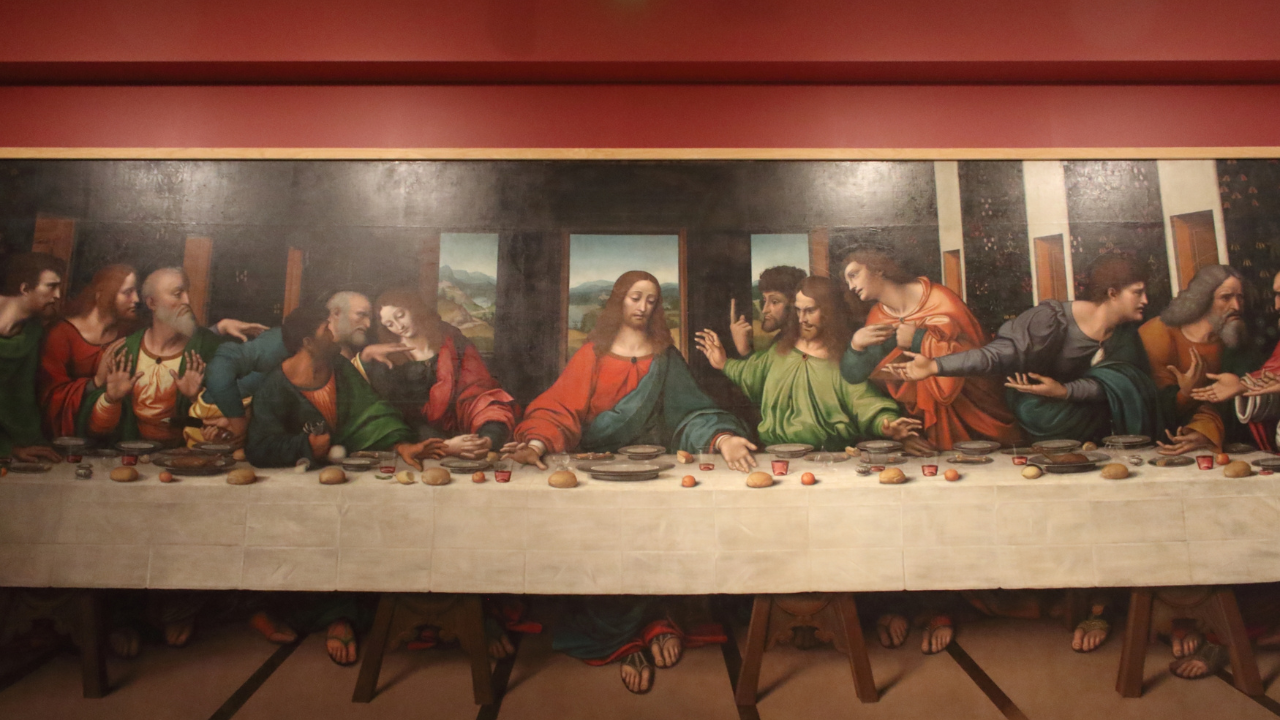
The Last Supper
© Shutterstock / Mariangela Cruz

The Last Supper

A powerful depiction of a biblical moment, this painting captures the dramatic moment when Jesus announces betrayal. Its composition and storytelling make it a masterpiece of religious art.

Creator / Artist – Leonardo da Vinci.
Year / Time Period – Late 15th century (c. 1495–1498).
Origin / Location – Santa Maria delle Grazie, Milan, Italy.
Historical Context – Created during the Renaissance, emphasizing human emotion and realism.
Significance / Impact – A revolutionary use of perspective and narrative composition.
Interesting Fact – The painting has undergone multiple restorations due to deterioration.  

4
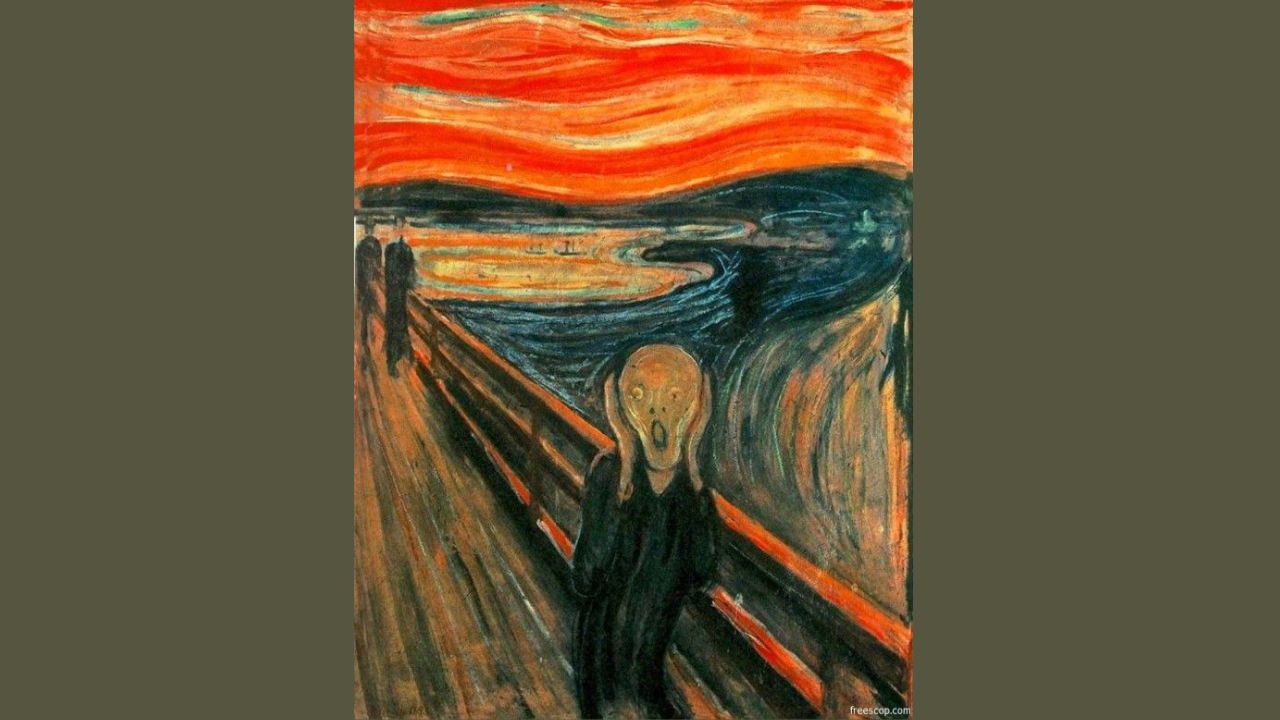
 The Scream
© Wikipedia / Edvard Munch - National Museum of Art, Architecture and Design

The Scream

This haunting image conveys deep anxiety and existential dread. Its bold colors and distorted forms capture intense emotion rather than realism, making it an icon of modern art.

Creator / Artist – Edvard Munch, a Norwegian expressionist artist.
Year / Time Period – 1893.
Origin / Location – National Museum, Oslo, Norway.
Historical Context – Reflects growing anxiety in modern society during industrialization.
Significance / Impact – A defining work of expressionism.
Interesting Fact – Inspired by a real-life experience Munch had while walking at sunset.

5
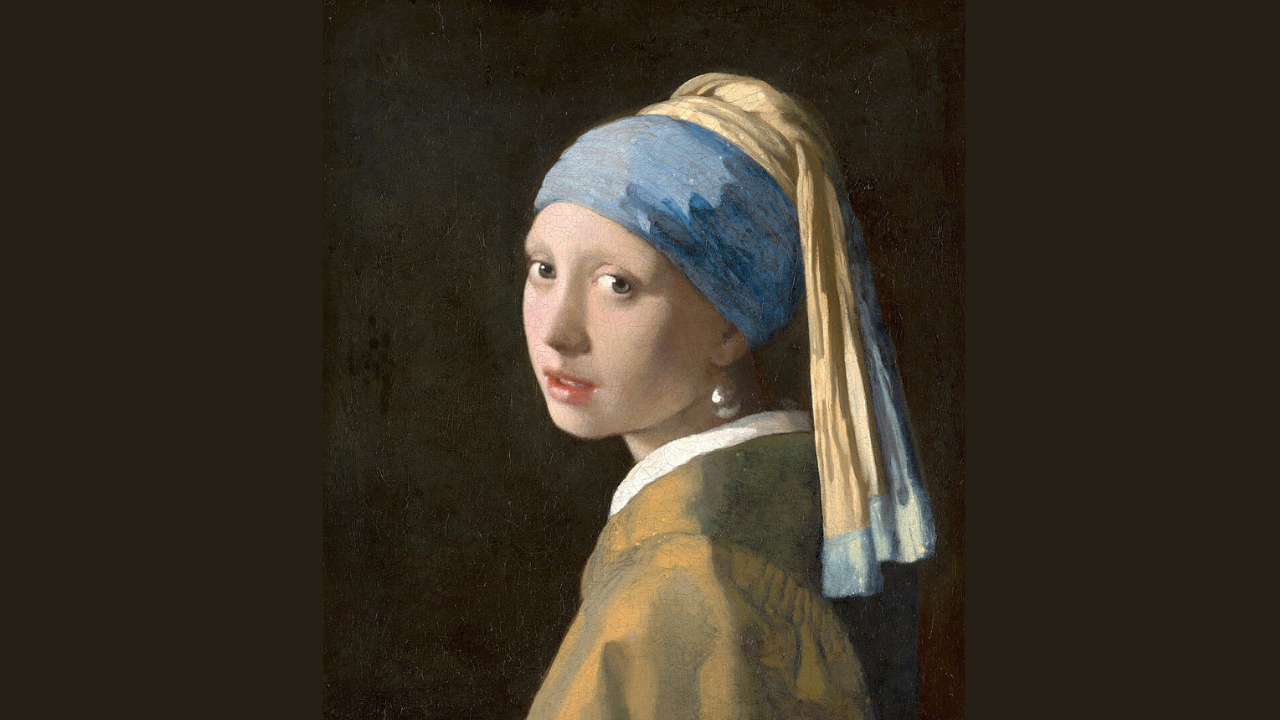
 Girl with a Pearl Earring
© Wikipedia / Johannes Vermeer

Girl with a Pearl Earring

Often called the “Mona Lisa of the North,” this painting is admired for its simplicity and elegance. The subject’s mysterious gaze continues to fascinate viewers.

Creator / Artist – Johannes Vermeer, a Dutch Golden Age painter.
Year / Time Period – Around 1665.
Origin / Location – Mauritshuis, The Hague, Netherlands.
Historical Context – Painted during the Dutch Golden Age of art and trade.
Significance / Impact – Known for its masterful use of light and realism.
Interesting Fact – The identity of the girl remains unknown.

6
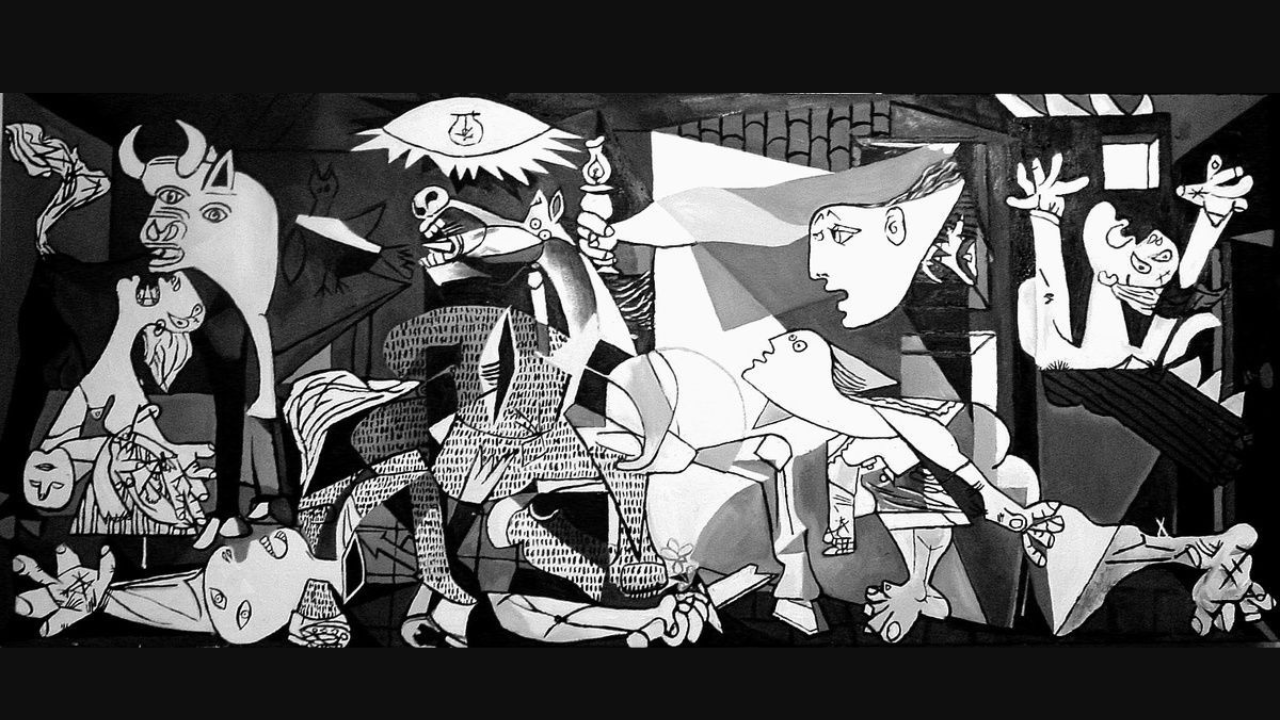
Guernica
© Pinterest/ Genially

Guernica

This monumental painting portrays the horrors of war in stark, monochromatic tones. It stands as a powerful anti-war statement.

Creator / Artist – Pablo Picasso, a leading figure in modern art.
Year / Time Period – 1937.
Origin / Location – Museo Reina Sofía, Madrid, Spain.
Historical Context – Created in response to the bombing of Guernica during the Spanish Civil War.
Significance / Impact – A universal symbol of the tragedies of war.
Interesting Fact – It was displayed in the United Nations building for many years.

7
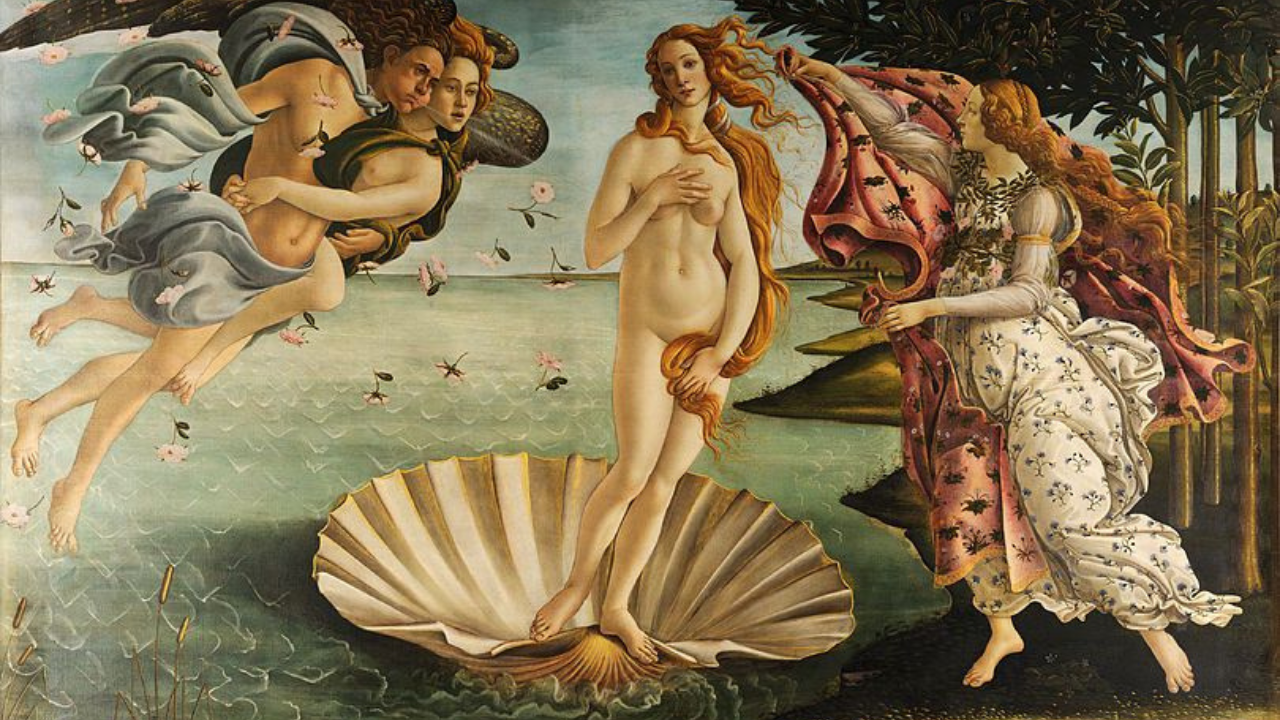
The Birth of Venus
© Pinterest / Martha Cafaro

The Birth of Venus

A celebration of beauty and mythology, this painting depicts the goddess Venus emerging from the sea. It embodies the ideals of Renaissance art.

Creator / Artist – Sandro Botticelli.
Year / Time Period – Around 1485–1486.
Origin / Location – Uffizi Gallery, Florence, Italy.
Historical Context – Inspired by classical mythology and Renaissance humanism.
Significance / Impact – One of the first large-scale paintings of a mythological subject in Renaissance art.
Interesting Fact – Venus is depicted without clothing, a bold choice for the time.

8
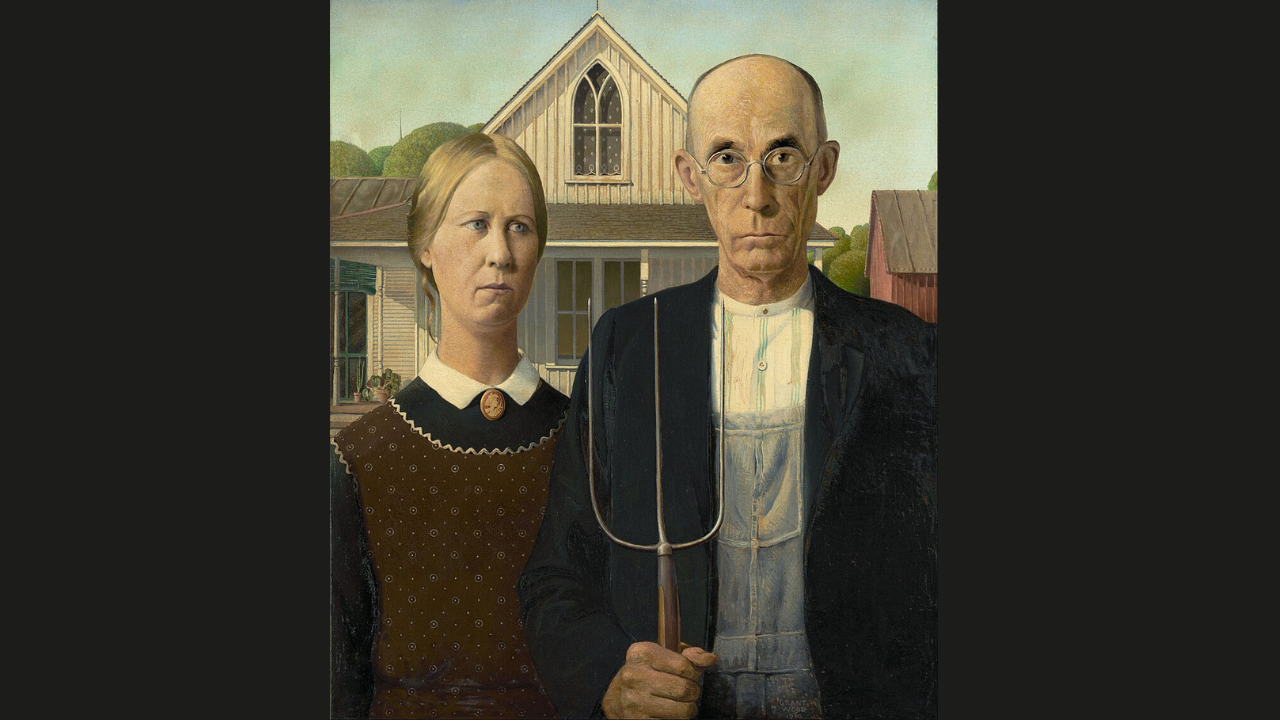
American Gothic
© Wikipedia/ Google Cultural Institute

American Gothic

A symbol of rural American life, this painting depicts a stern farmer and his daughter. Its simplicity hides deeper interpretations.

Creator / Artist – Grant Wood, an American regionalist painter.
Year / Time Period – 1930.
Origin / Location – Art Institute of Chicago, USA.
Historical Context – Painted during the Great Depression.
Significance / Impact – Became an icon of American culture.
Interesting Fact – The models were Wood’s sister and his dentist.  

9
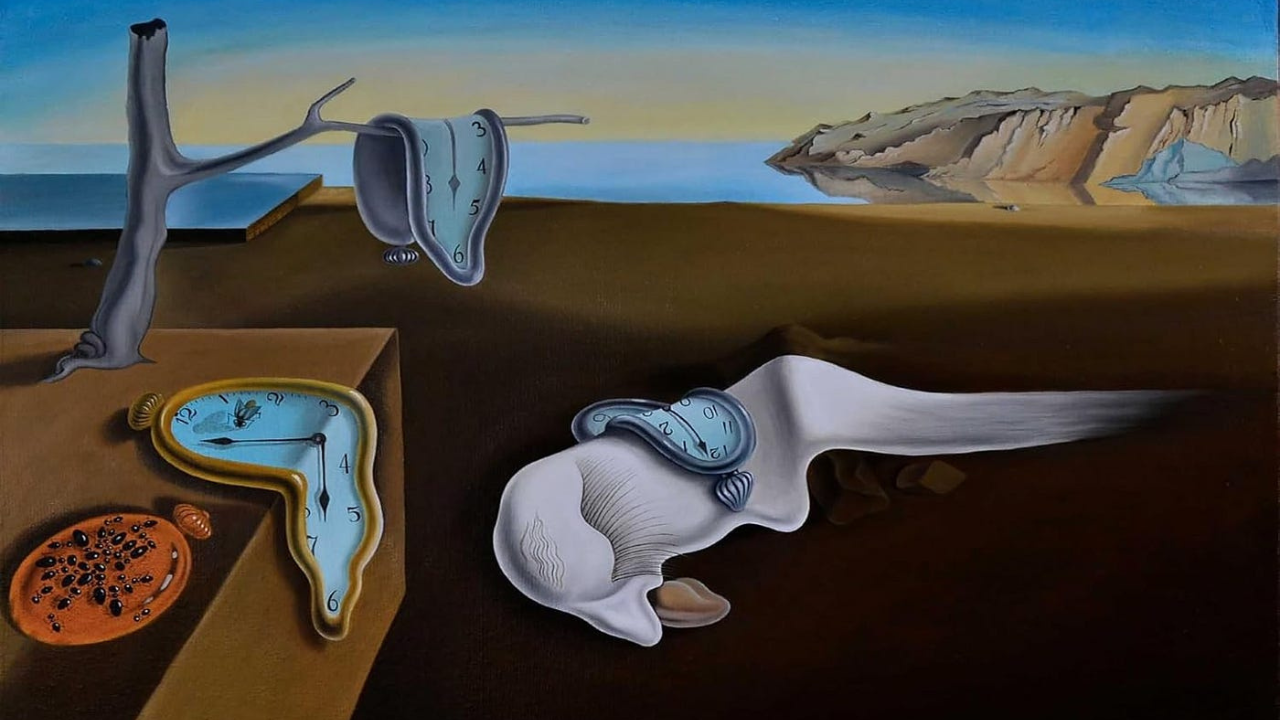
The Persistence of Memory
© Pinterest/ Bored Panda

The Persistence of Memory

Famous for its melting clocks, this surreal painting explores the concept of time and reality. It challenges traditional perceptions of art.

Creator / Artist – Salvador Dalí, a surrealist master.
Year / Time Period – 1931.
Origin / Location – Museum of Modern Art, New York, USA.t
Historical Context – Part of the surrealist movement influenced by Freud’s theories.
Significance / Impact – Iconic representation of surrealism.
Interesting Fact – Dalí claimed the idea came from melting Camembert cheese.

10
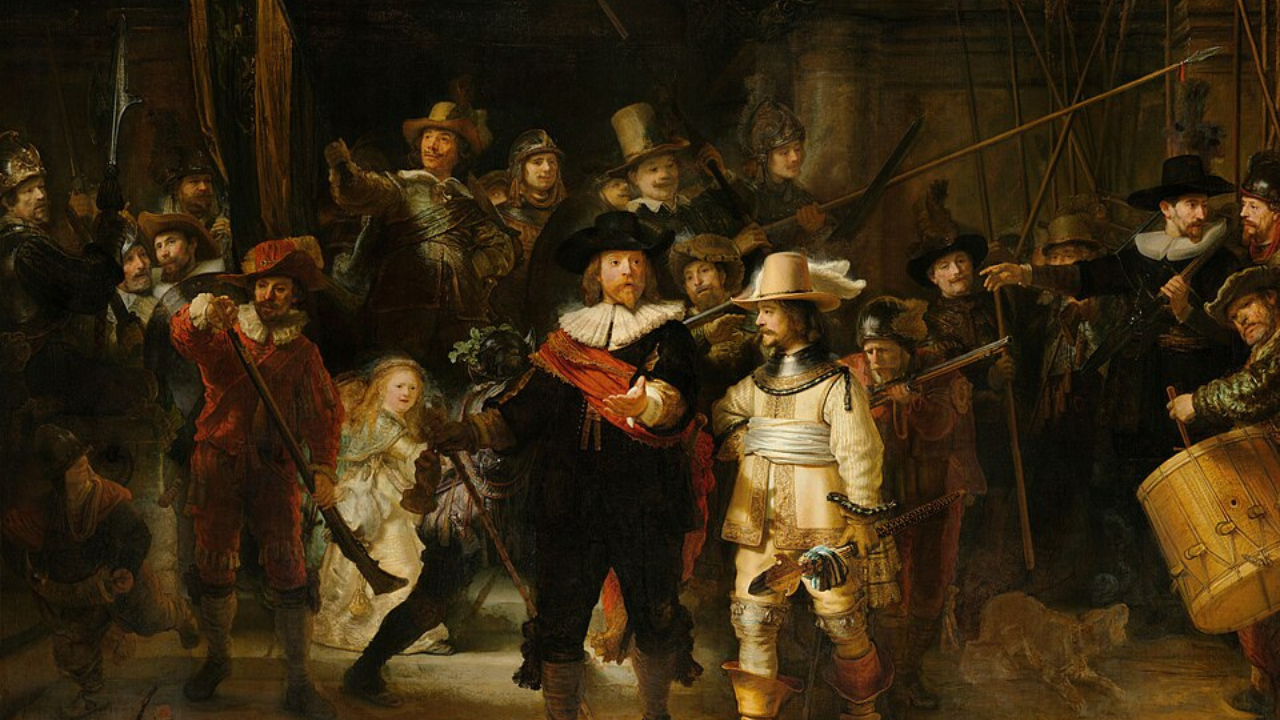
 The Night Watch
© Wikipedia / Rembrandt

The Night Watch

This dynamic group portrait breaks traditional composition rules with its dramatic lighting and movement.

Creator / Artist – Rembrandt van Rijn.
Year / Time Period – 1642.
Origin / Location – Rijksmuseum, Amsterdam, Netherlands.
Historical Context – Dutch Golden Age, emphasizing realism and group portraits.
Significance / Impact – Revolutionary use of light and motion.
Interesting Fact – The painting was mistakenly darkened over time due to varnish.

11
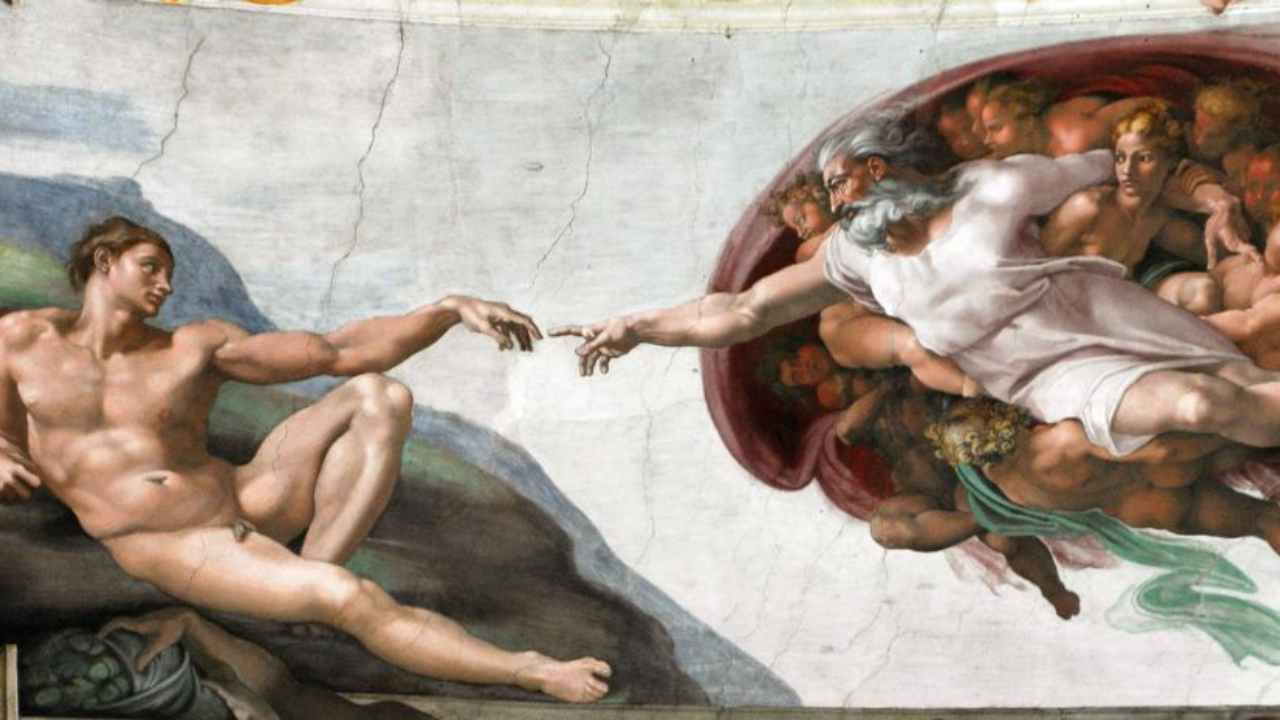
The Creation of Adam
© Pinterest/ Ashura

The Creation of Adam

This iconic fresco illustrates the moment God gives life to Adam. Its imagery has become universally recognized.

Creator / Artist – Michelangelo Buonarroti.
Year / Time Period – 1508–1512.
Origin / Location – Sistine Chapel, Vatican City.
Historical Context – Renaissance focus on humanism and divine connection.
Significance / Impact – One of the most reproduced images in art history.
Interesting Fact – The shape around God resembles a human brain.

12
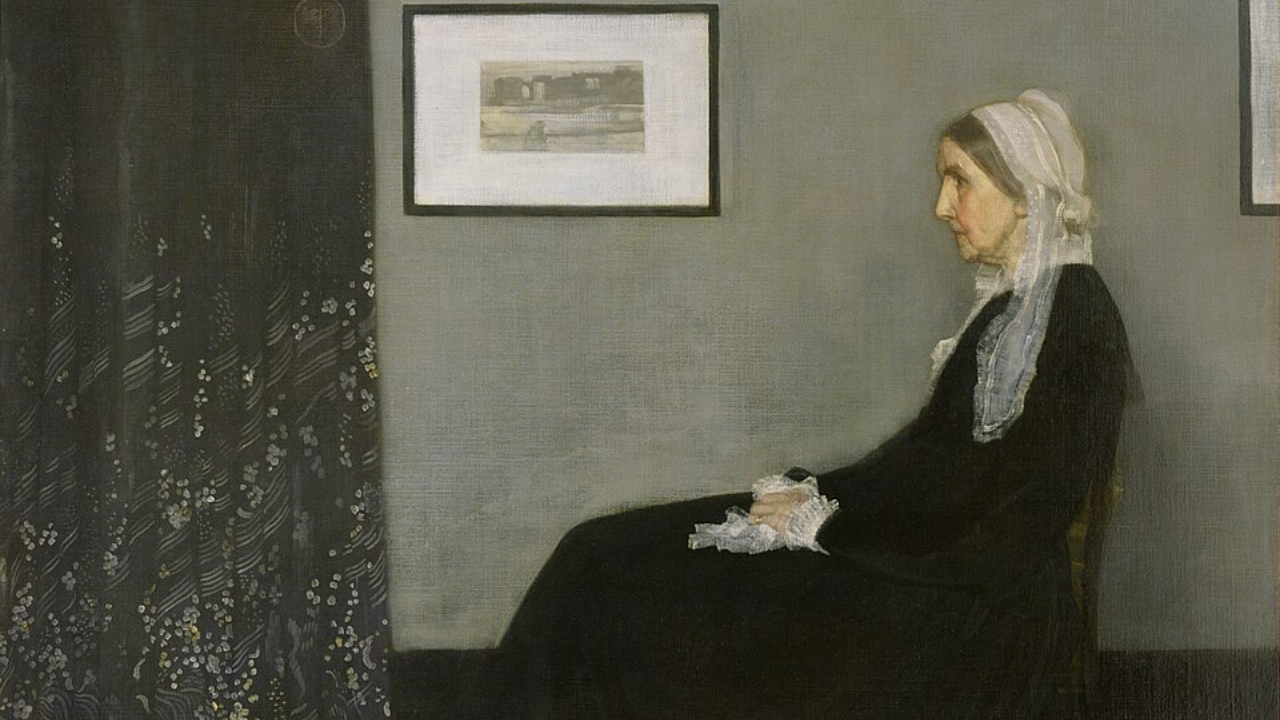
Whistler’s Mother
© Pinterest/ Paul Burstyn

Whistler’s Mother

A simple yet powerful portrait, this painting conveys dignity and emotion through minimalism.

Creator / Artist – James McNeill Whistler.
Year / Time Period – 1871.
Origin / Location – Musée d’Orsay, Paris, France.
Historical Context – Victorian era, emphasizing realism.
Significance / Impact – An icon of portrait painting.
Interesting Fact – Its official title is “Arrangement in Grey and Black No. 1.”

13
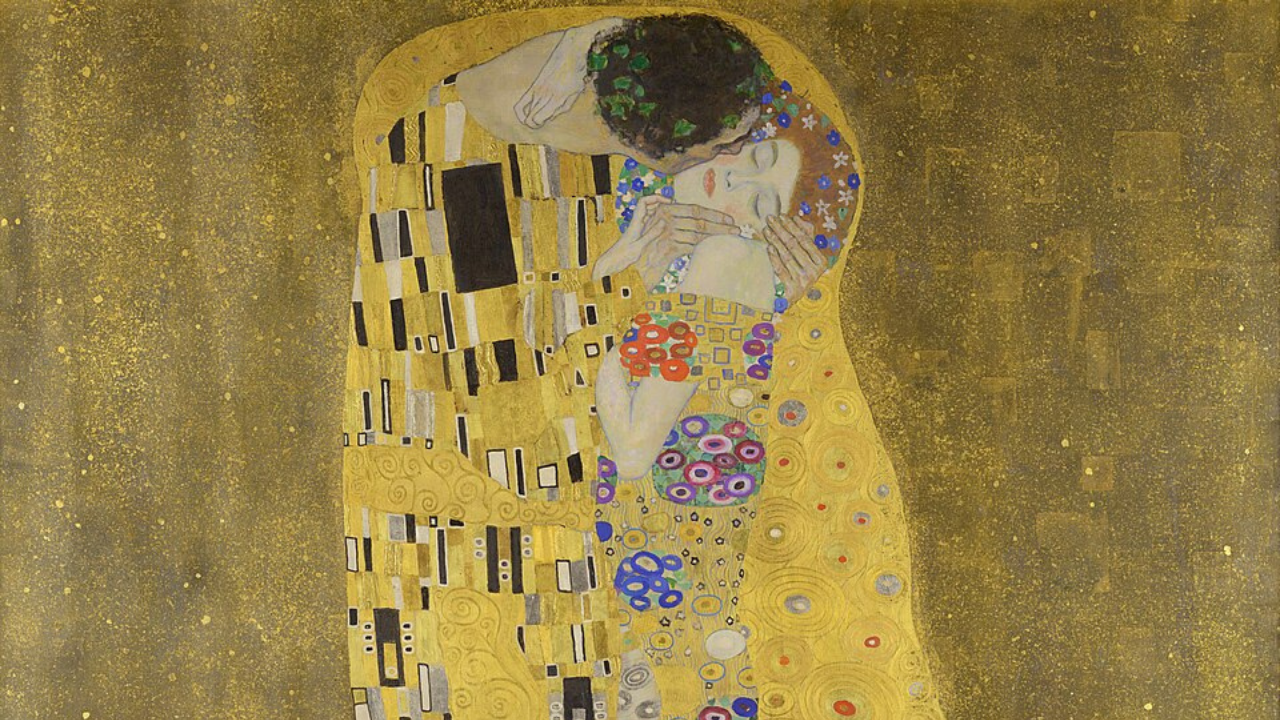
The Kiss
© Pinterest / Flickr

The Kiss

A dazzling display of love and ornamentation, this painting is a hallmark of the Art Nouveau movement.

Creator / Artist – Gustav Klimt.
Year / Time Period – 1907–1908.
Origin / Location – Belvedere Museum, Vienna, Austria.
Historical Context – Early 20th century decorative art movement.
Significance / Impact – Known for its use of gold leaf and symbolism.
Interesting Fact – Klimt incorporated real gold into the painting.

14
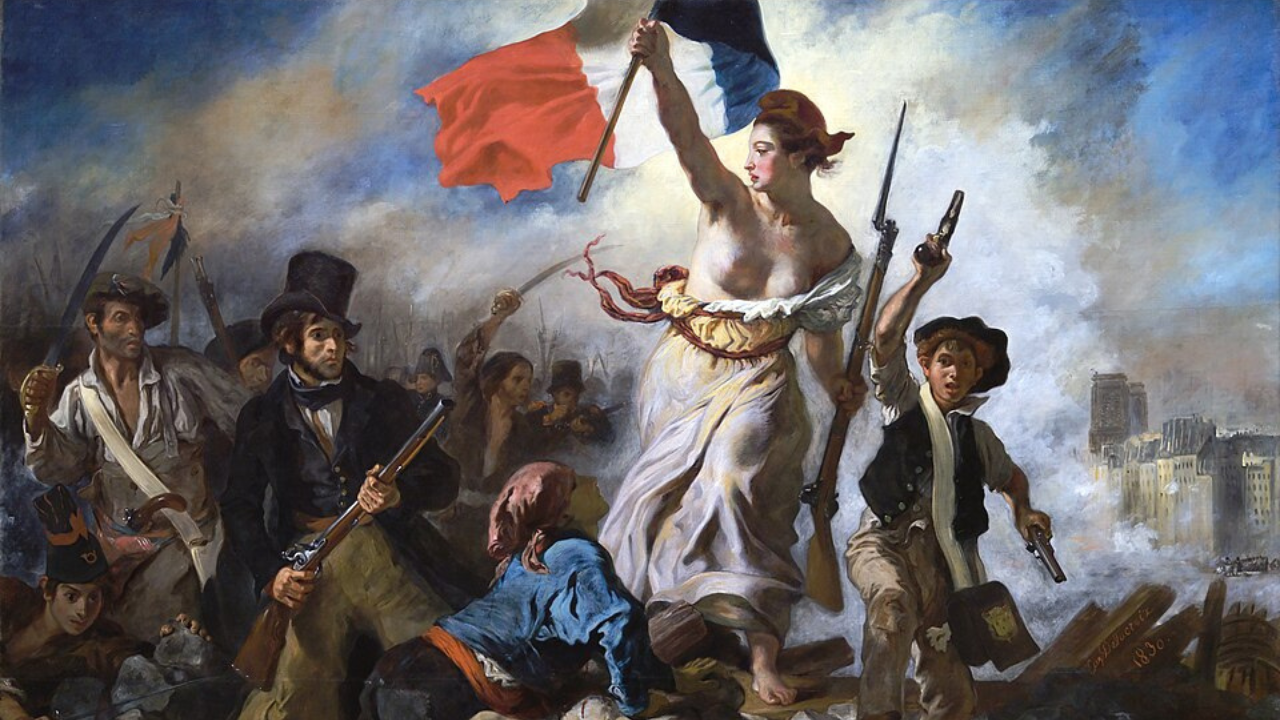
Liberty Leading the People
© Pinterest / Lavie Fu

Liberty Leading the People

This painting symbolizes revolution and freedom, depicting a powerful female figure leading a charge.

Creator / Artist – Eugène Delacroix.
Year / Time Period – 1830.
Origin / Location – Louvre Museum, Paris, France.
Historical Context – Inspired by the July Revolution in France.
Significance / Impact – Symbol of liberty and revolution.
Interesting Fact – The figure of Liberty is partially allegorical and partially real.

15
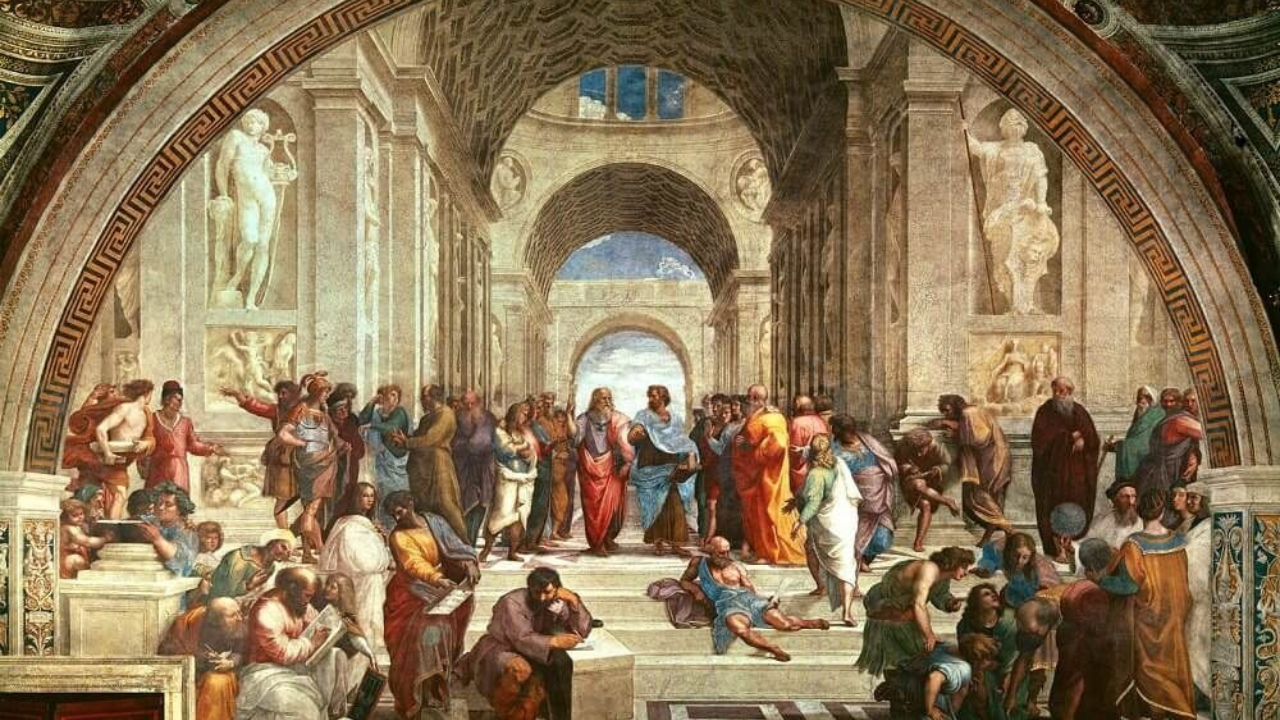
The School of Athens
© Pinterest / Emily Yates

The School of Athens

A masterpiece of Renaissance philosophy and art, this fresco gathers great thinkers in one space.

Creator / Artist – Raphael.
Year / Time Period – 1509–1511.
Origin / Location – Vatican Museums, Vatican City.
Historical Context – Renaissance humanism and classical revival.
Significance / Impact – Represents the unity of philosophy and art.
Interesting Fact – Includes portraits of Leonardo, Michelangelo, and other philosophers.

16
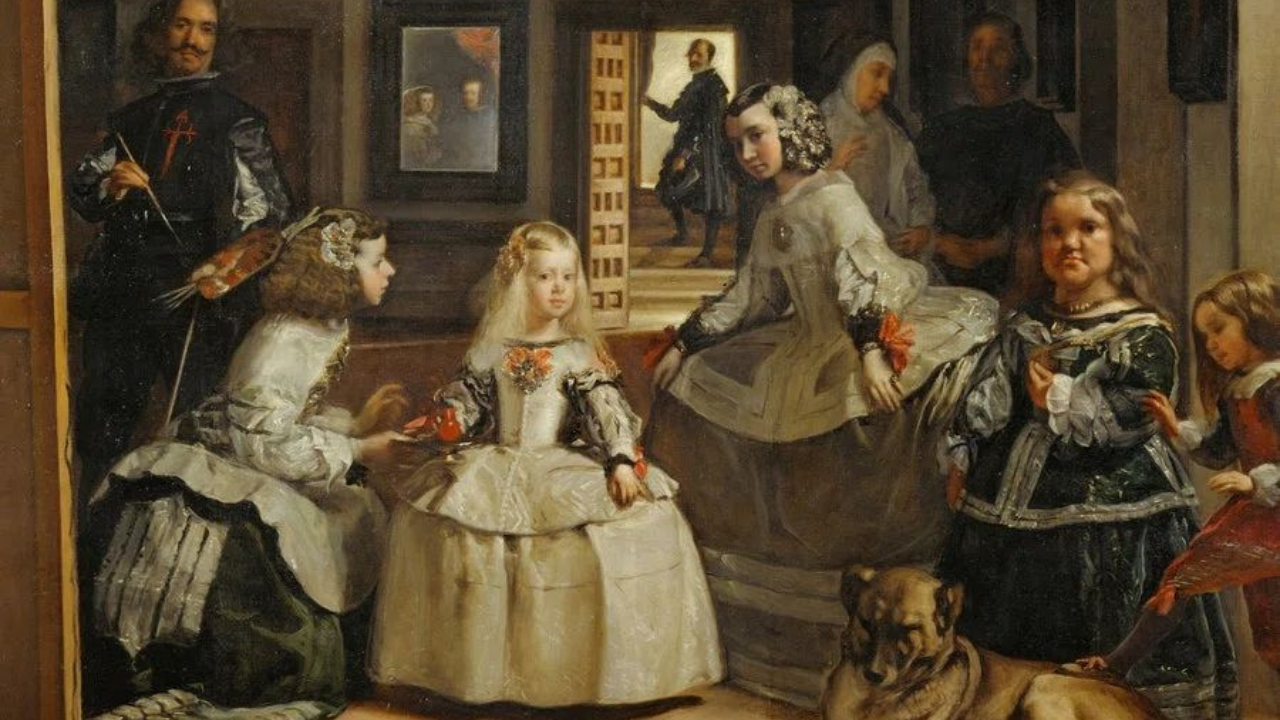
Las Meninas
© Pinterest / Betsy Lian (Ideas)

Las Meninas

A complex and intriguing painting that plays with perspective and reality, making the viewer part of the scene.

Creator / Artist – Diego Velázquez.
Year / Time Period – 1656.
Origin / Location – Prado Museum, Madrid, Spain.
Historical Context – Spanish Golden Age.
Significance / Impact – A masterpiece of perspective and composition.
Interesting Fact – The artist includes himself within the painting.

17
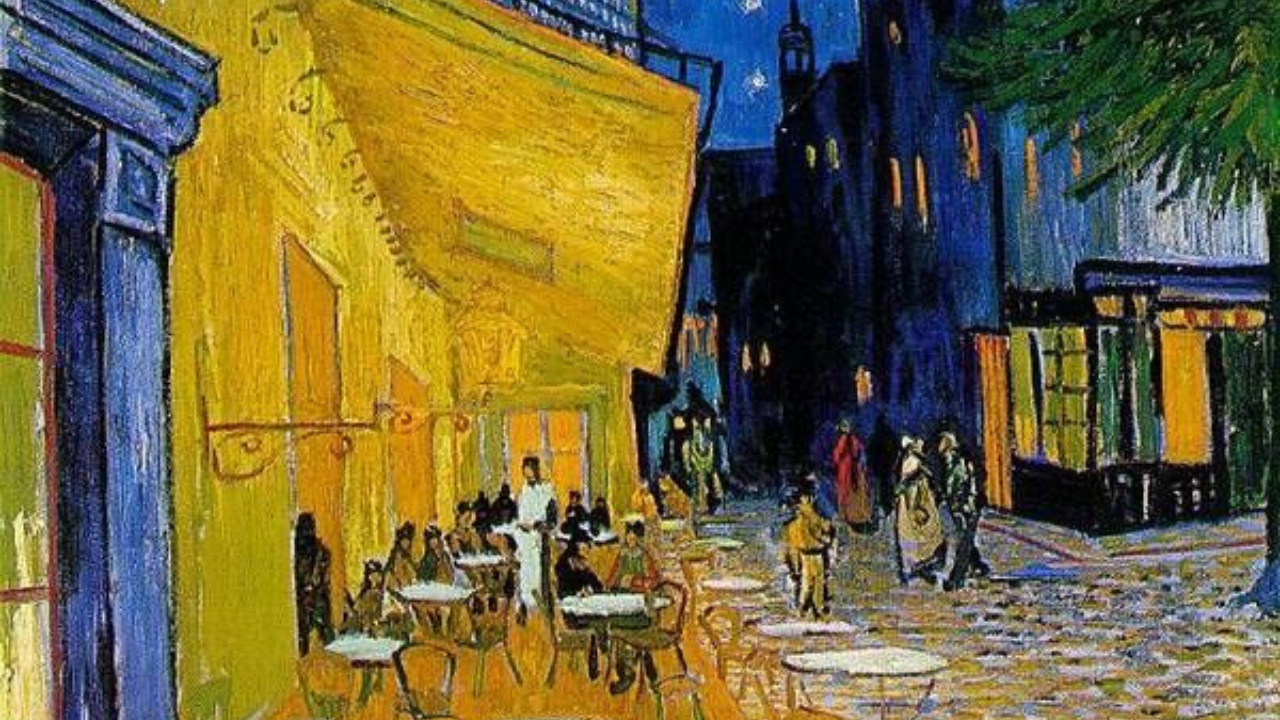
 Café Terrace at Night
© Pinterest / Meg

Café Terrace at Night

A vibrant nighttime scene filled with warm colors and starry skies, capturing a lively café atmosphere.

Creator / Artist – Vincent van Gogh.
Year / Time Period – 1888.
Origin / Location – Kröller-Müller Museum, Netherlands.
Historical Context – Post-impressionism, focusing on emotion and color.
Significance / Impact – One of the most beloved night scenes in art.
Interesting Fact – Van Gogh painted it outdoors at night without black paint.  

18
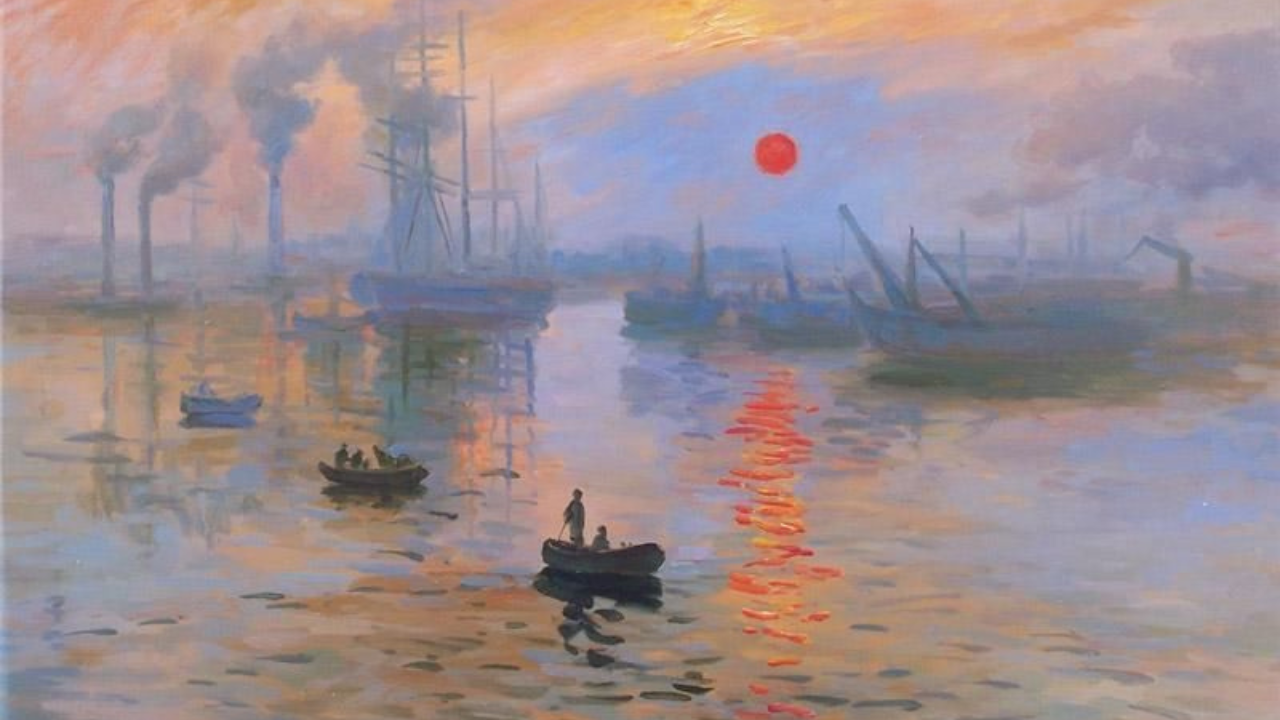
 Impression, Sunrise
© Pinteres / MBHS French

Impression, Sunrise

This painting gave birth to the term “Impressionism,” marking a major shift in art history.

Creator / Artist – Claude Monet.
Year / Time Period – 1872.
Origin / Location – Musée Marmottan Monet, Paris, France.
Historical Context – Industrial era and rise of modern art.
Significance / Impact – Named the entire Impressionist movement.
Interesting Fact – Critics used the title as a joke, which later became the movement’s name.

19
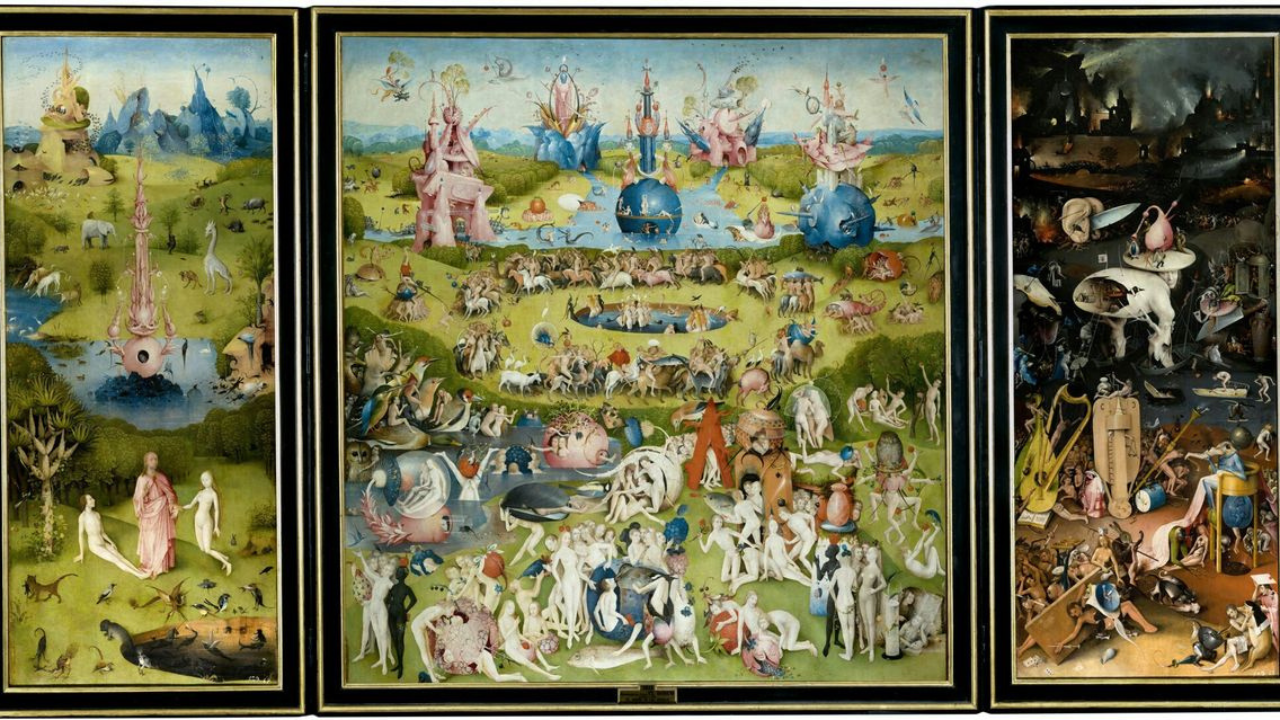
The Garden of Earthly Delights
© Pinterest / tianinja

The Garden of Earthly Delights

A surreal and complex triptych filled with symbolism and imaginative scenes.

Creator / Artist – Hieronymus Bosch.
Year / Time Period – c. 1490–1510.
Origin / Location – Museo del Prado, Madrid, Spain.
Historical Context – Late medieval period, rich in religious symbolism.
Significance / Impact – Influential in surreal and symbolic art.
Interesting Fact – Its meaning is still debated by scholars today.

20
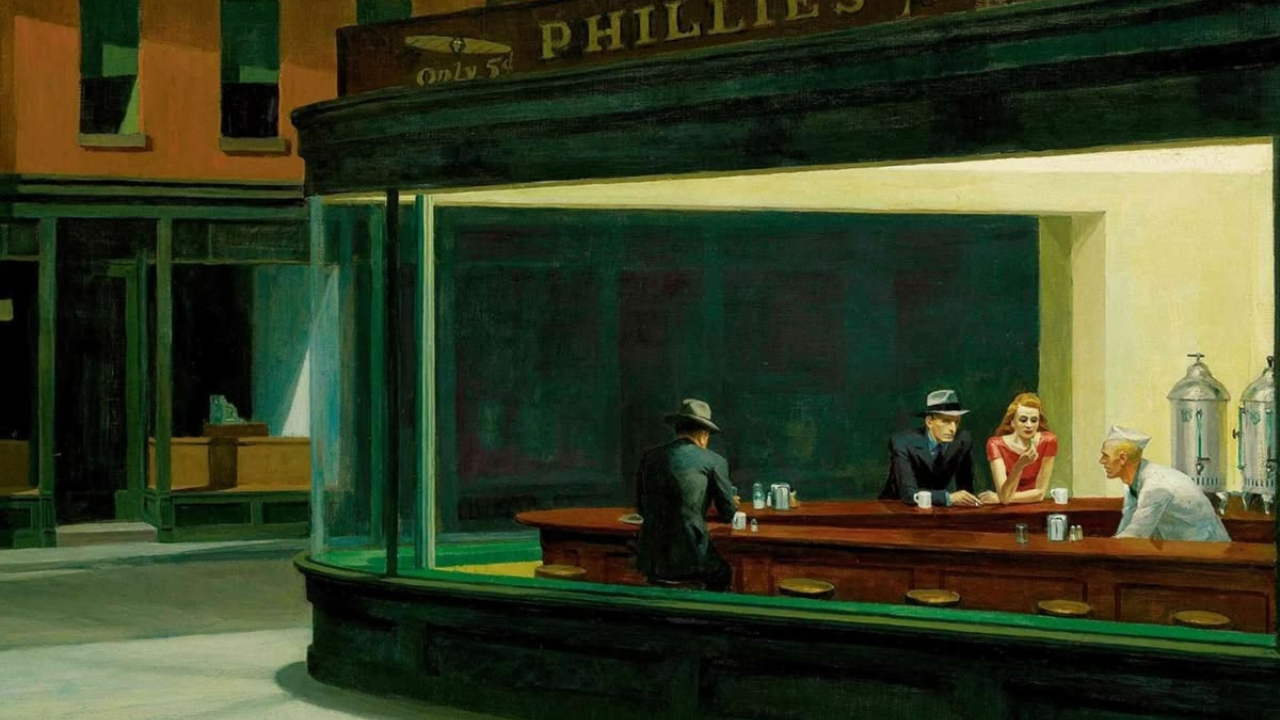
Nighthawks
© Pinterest / Joao Victor

Nighthawks

A cinematic depiction of loneliness and urban life, this painting captures modern isolation.

Creator / Artist – Edward Hopper.
Year / Time Period – 1942.
Origin / Location – Art Institute of Chicago, USA.
Historical Context – World War II era, reflecting isolation.
Significance / Impact – Iconic portrayal of modern urban solitude.
Interesting Fact – The diner depicted may be inspired by a real New York location.


Comments (0)

Leave a Reply

No comments yet. Be the first to share your thoughts!