Art and Culture Art Insights and Stories

The Hidden Stories Behind 16 Famous Masterpieces

Amelia Brooks
3.5
April 06, 2026

Art has always been more than what meets the eye. Behind the colors, brushstrokes, and sculptures lie hidden meanings, personal stories, political messages, and even clever visual tricks that have fascinated viewers for centuries. Some of the world’s most famous artworks continue to puzzle historians and inspire endless interpretations. In this article, we uncover the secrets behind 16 iconic masterpieces and explore the deeper layers that make them unforgettable.
1
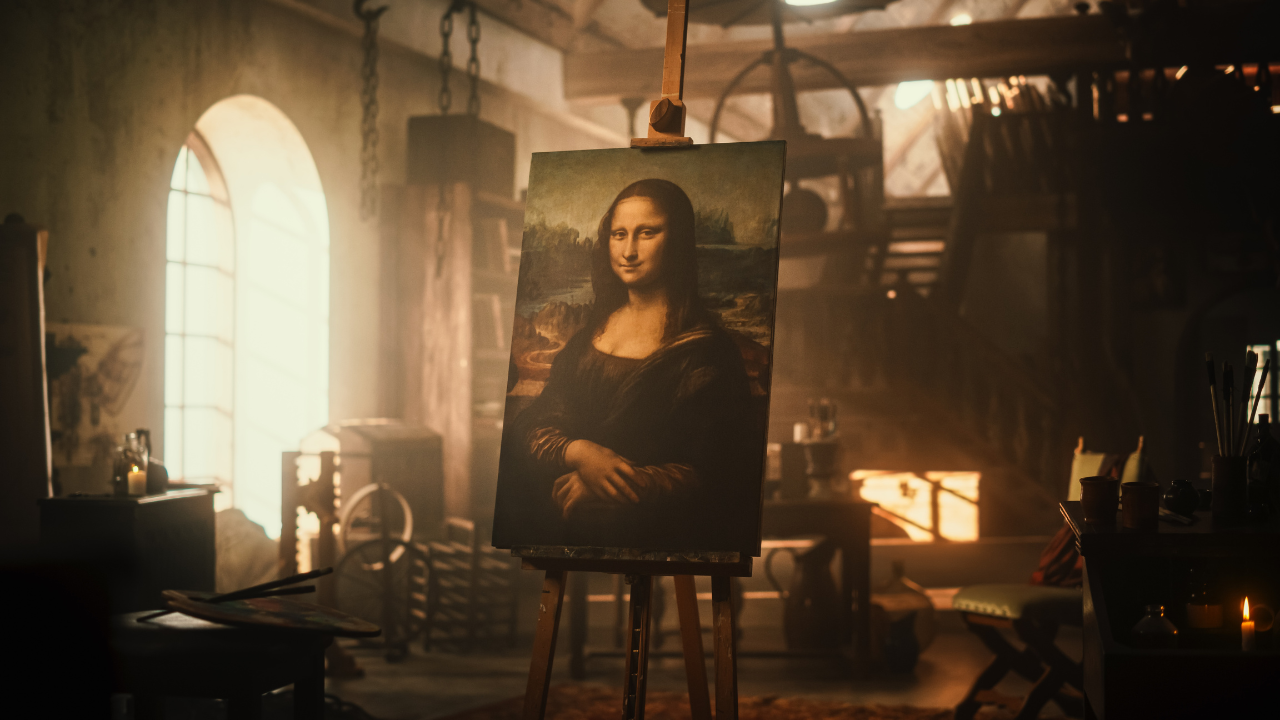
Mona Lisa
© Shutterstock/ Gorodenkoff

Mona Lisa

The Mona Lisa is one of the most recognized and studied paintings in the world. It continues to attract millions of visitors due to its mysterious expression and artistic mastery. Painted by a Renaissance legend, it represents the peak of portrait artistry. Its subtle details and technique have made it timeless.

  • Creator / Artist – Leonardo da Vinci, a Renaissance genius known for blending art and science.

  • Year / Time Period – c. 1503–1506 (Italian Renaissance).

  • Origin / Location – Louvre Museum, Paris, France.

  • Historical Context – Created during the height of the Renaissance, when realism and human emotion became central to art.

  • Significance / Impact – One of the most famous paintings in the world, symbolizing artistic mastery and mystery.

  • Interesting Fact – Her subtle smile appears to change depending on how you look at it, due to da Vinci’s use of sfumato.

2
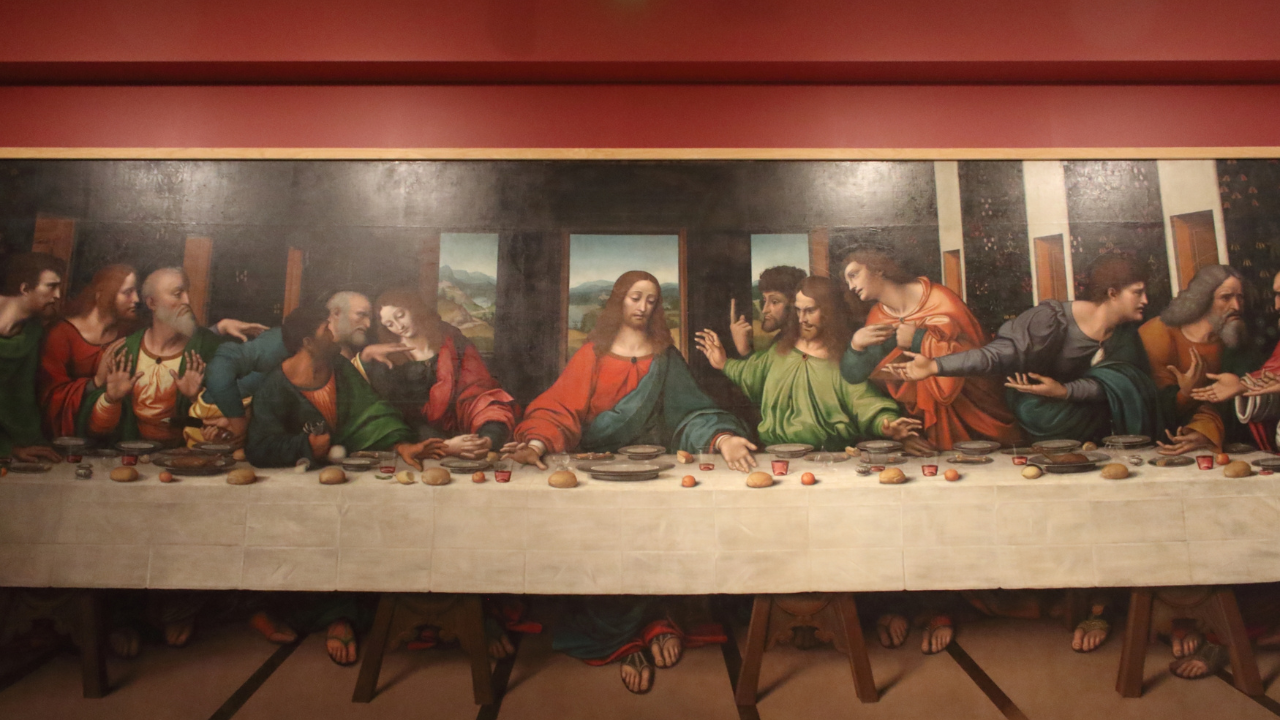
The Last Supper
© Shutterstock / Mariangela Cruz

The Last Supper

This iconic mural captures one of the most dramatic moments in Christian history. It is admired not only for its religious importance but also for its innovative composition. The painting shows intense emotional reactions among the figures. It remains a masterpiece of storytelling through art.

  • Creator / Artist – Leonardo da Vinci

  • Year / Time Period – 1495–1498

  • Origin / Location – Santa Maria delle Grazie, Milan, Italy

  • Historical Context – A religious period where Christianity heavily influenced art commissions.

  • Significance / Impact – Depicts the moment Jesus announces betrayal, capturing intense human emotion.

  • Interesting Fact – Some believe hidden musical notes and symbolic shapes are embedded in the composition.

3
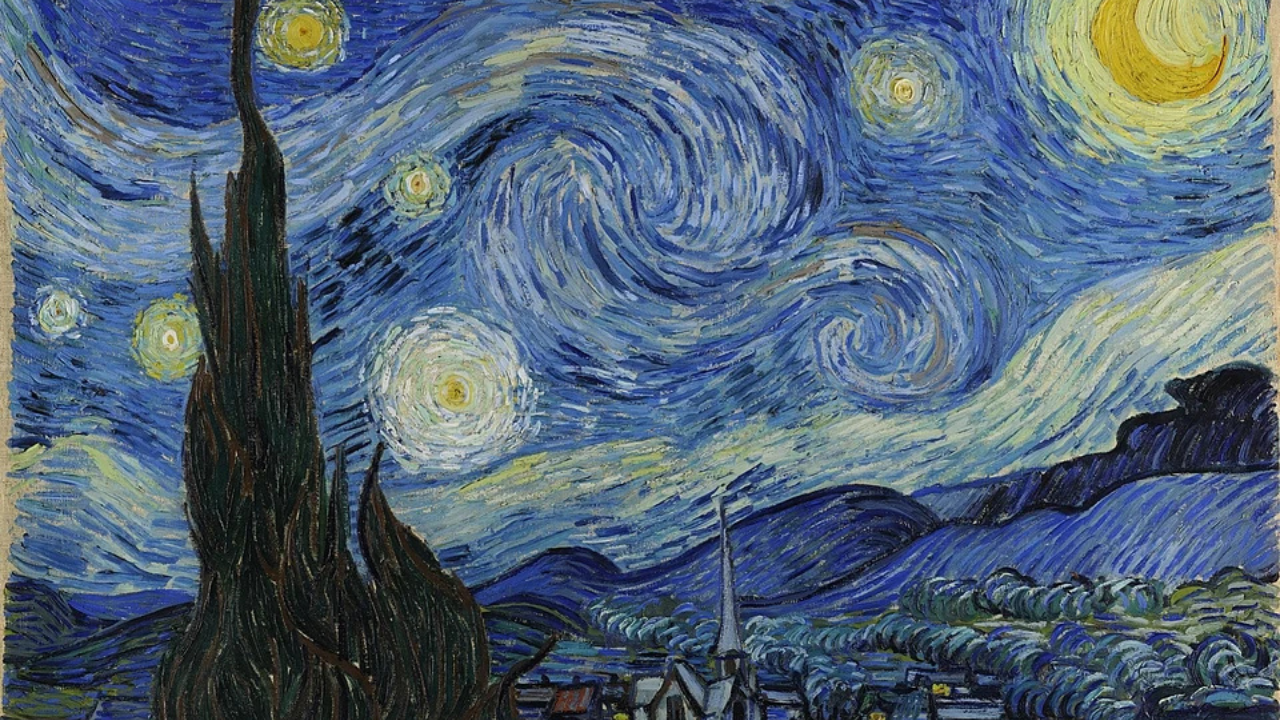
The Starry Night
© Public Domain

The Starry Night

Painted during a difficult period in the artist’s life, this artwork reflects deep emotion and imagination. Its swirling sky and bold colors make it instantly recognizable. It represents a unique style of expressing inner feelings through art. The painting continues to inspire modern artists.

  • Creator / Artist – Vincent van Gogh

  • Year / Time Period – 1889

  • Origin / Location – Museum of Modern Art, New York, USA

  • Historical Context – Painted during van Gogh’s stay in a mental asylum.

  • Significance / Impact – A masterpiece of post-impressionism expressing emotion through swirling skies.

  • Interesting Fact – The swirling sky may reflect van Gogh’s turbulent mental state.

4
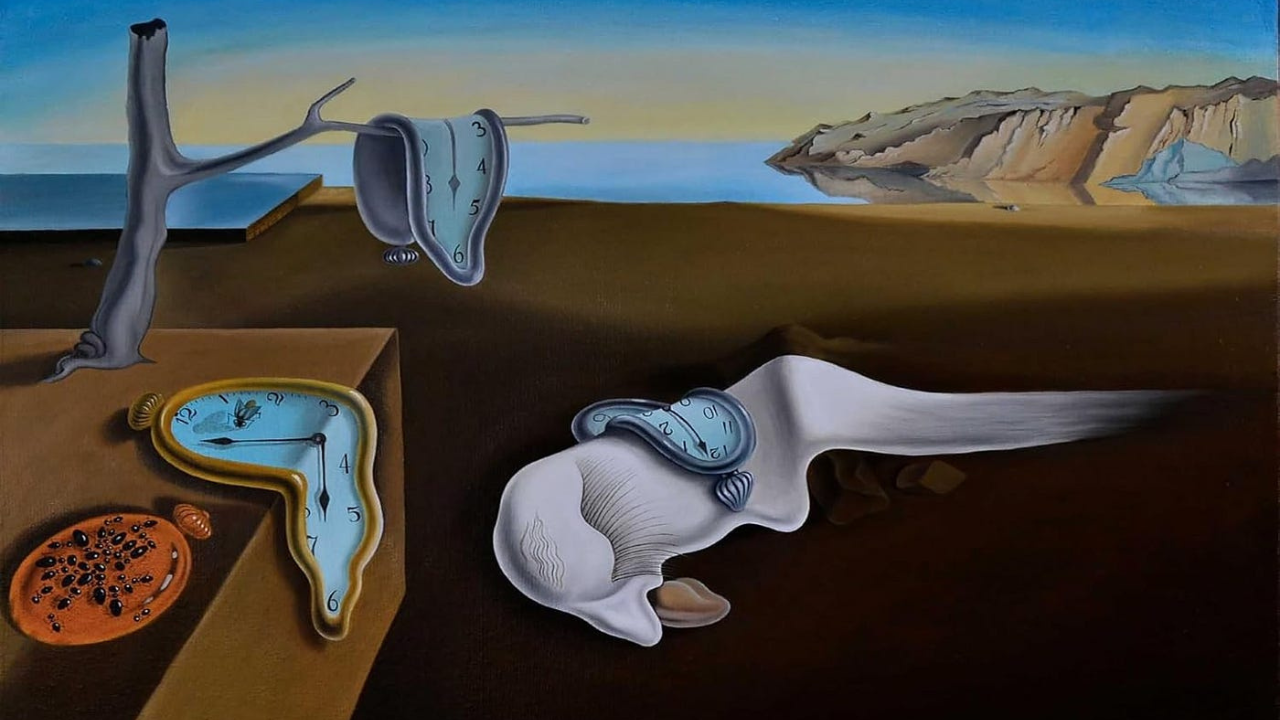
The Persistence of Memory
© Wikipedia/ Artists Rights Society (ARS)

The Persistence of Memory

This surreal painting challenges the idea of time and reality. Its dreamlike imagery creates a strange yet fascinating atmosphere. It reflects the influence of modern scientific theories on art. The melting clocks remain one of the most iconic symbols in art history.

  • Creator / Artist – Salvador Dalí

  • Year / Time Period – 1931

  • Origin / Location – Museum of Modern Art, New York, USA

  • Historical Context – Created during the Surrealist movement.

  • Significance / Impact – Symbolizes the fluidity of time and dream-like reality.

  • Interesting Fact – The melting clocks are believed to represent Einstein’s theory of relativity.

5
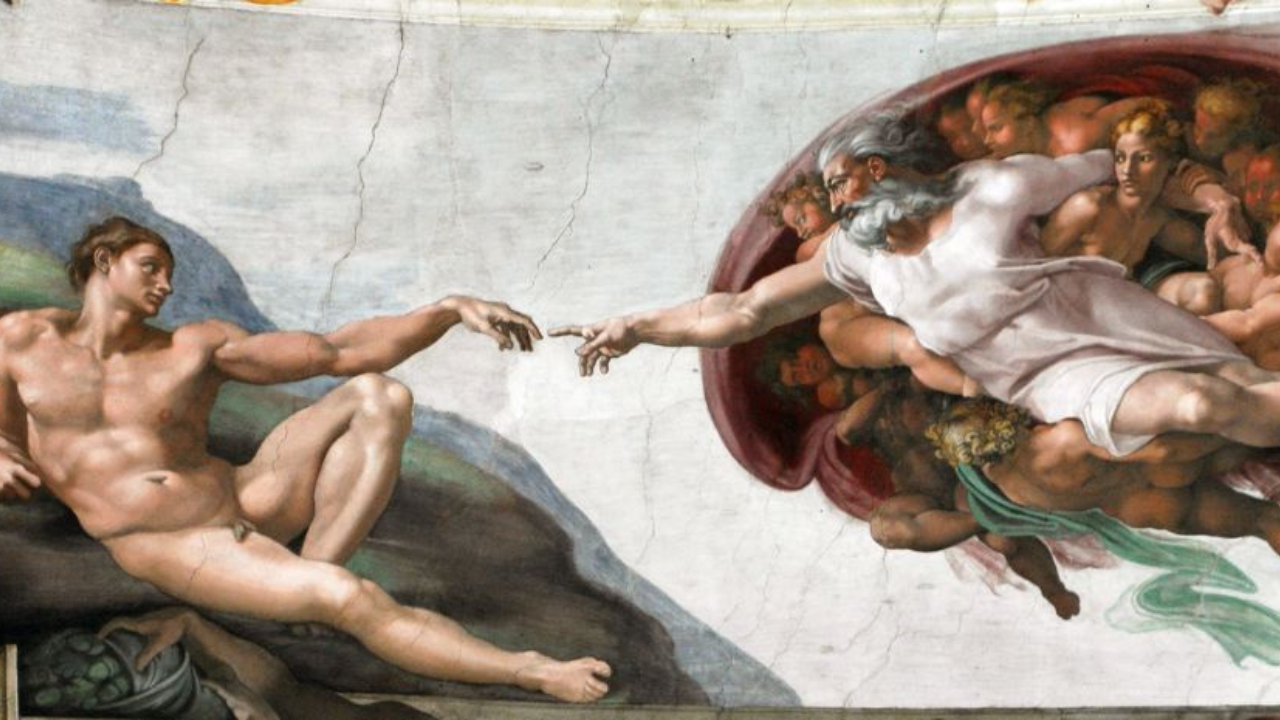
The Creation of Adam
© Wikipedia

The Creation of Adam

This famous fresco is part of one of the greatest ceilings ever painted. It shows a powerful and symbolic moment of creation. The image has become a universal representation of human life and divine connection. Its composition is both artistic and deeply meaningful.

  • Creator / Artist – Michelangelo

  • Year / Time Period – 1512

  • Origin / Location – Sistine Chapel, Vatican City

  • Historical Context – Painted during the High Renaissance under papal commission.

  • Significance / Impact – Iconic depiction of God giving life to Adam.

Interesting Fact – The shape around God resembles a human brain, possibly symbolizing divine intelligence.  

6
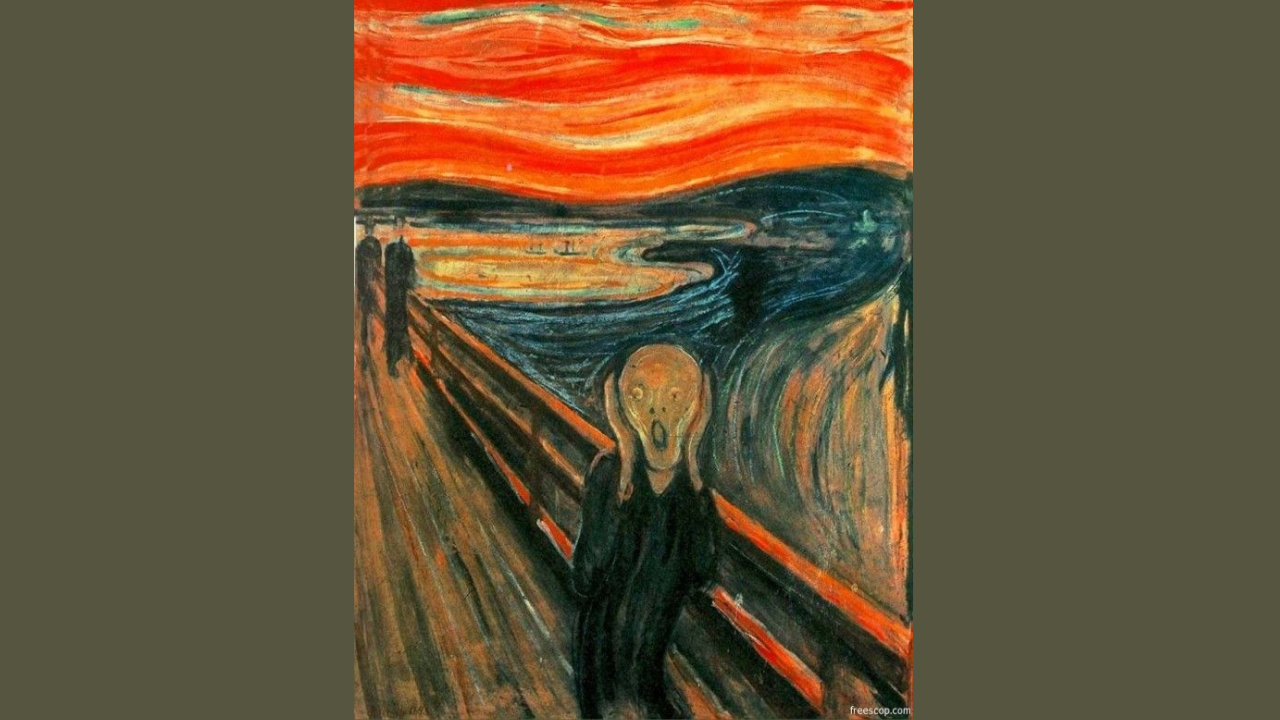
The Scream
© Wikipedia / Edvard Munch - National Museum of Art, Architecture and Design

The Scream

This painting expresses intense emotion in a very powerful way. Its dramatic style captures feelings of fear and anxiety. It reflects the emotional struggles of modern life. The image has become a global symbol of psychological distress.

  • Creator / Artist – Edvard Munch

  • Year / Time Period – 1893

  • Origin / Location – National Gallery, Oslo, Norway

  • Historical Context – Reflects modern anxieties of industrialization and existential dread.

  • Significance / Impact – A symbol of human anxiety and emotional distress.

  • Interesting Fact – The blood-red sky was inspired by a volcanic eruption in Indonesia.

7
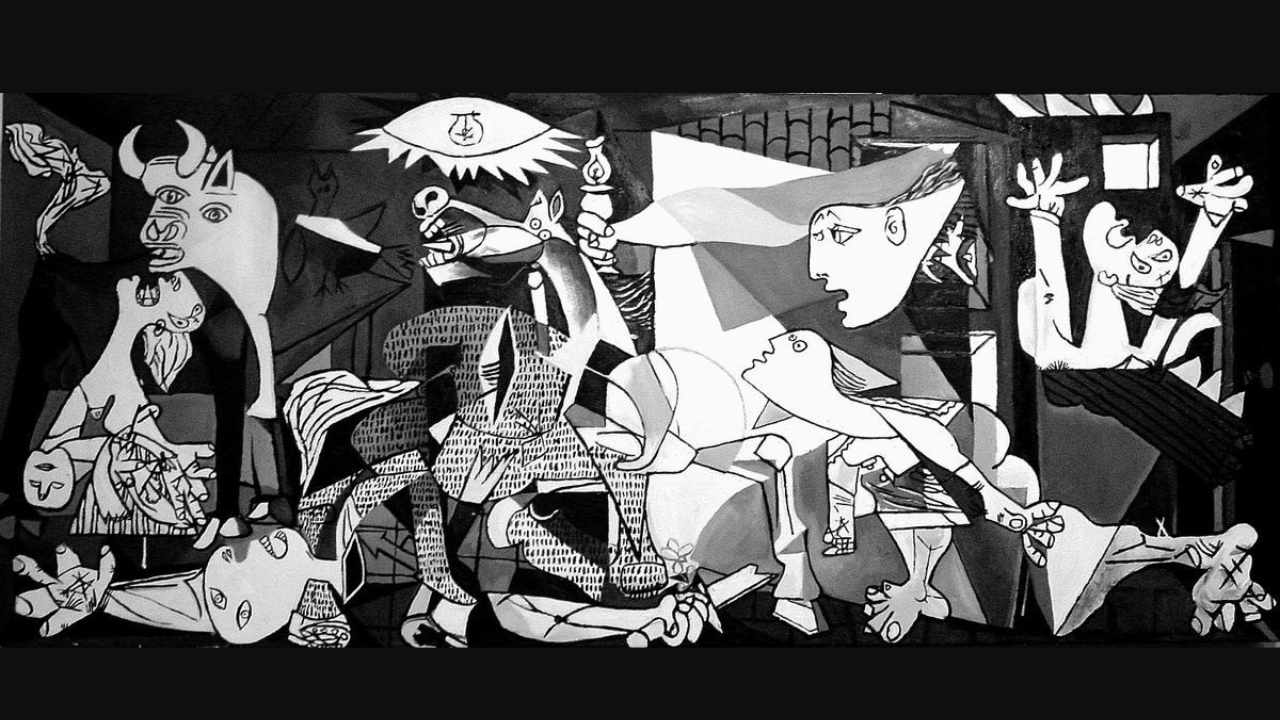
Guernica
© Pinterest / Genially

Guernica

This painting is one of the most powerful anti-war artworks ever created. It captures the horrors of war through chaotic and emotional imagery. Its monochrome palette adds to its seriousness and impact. It continues to symbolize the suffering caused by conflict.

  • Creator / Artist – Pablo Picasso

  • Year / Time Period – 1937

  • Origin / Location – Museo Reina Sofía, Madrid, Spain

  • Historical Context – Created in response to the bombing of Guernica during the Spanish Civil War.

  • Significance / Impact – A powerful anti-war statement.

  • Interesting Fact – The black-and-white palette reflects the harshness of war, like a newspaper image.

8
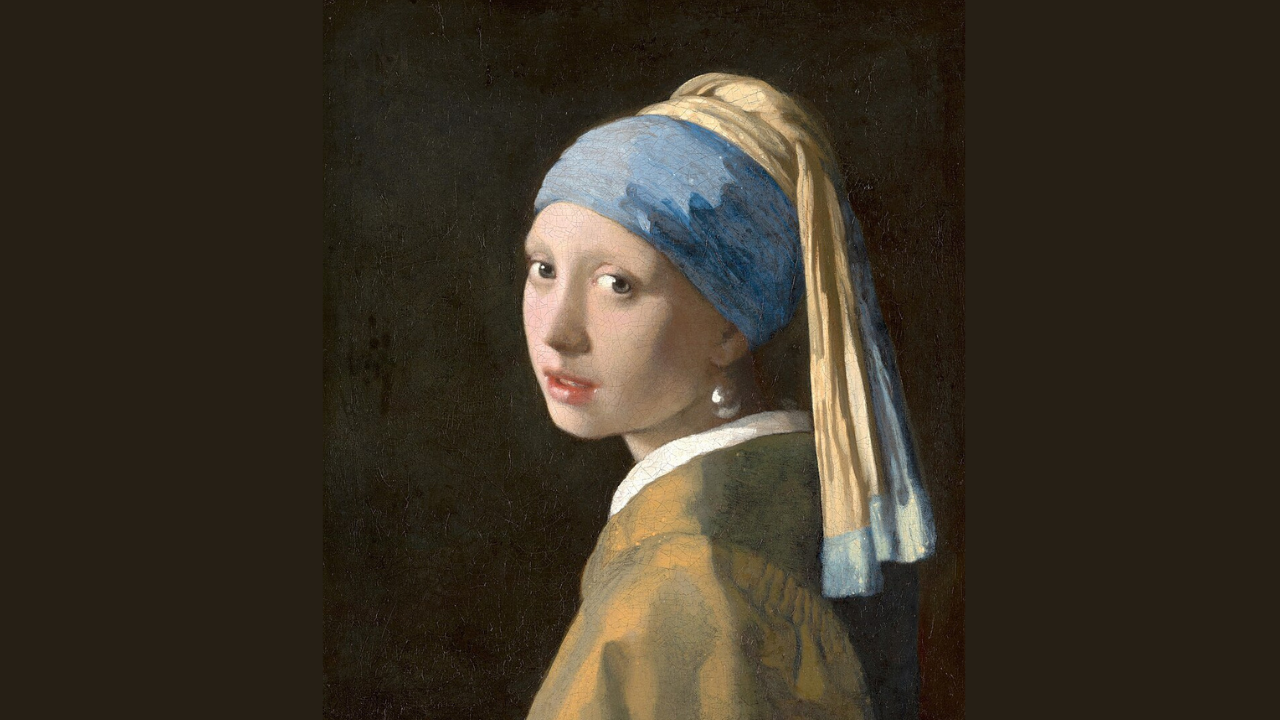
Girl with a Pearl Earring
© Wikipedia / Johannes Vermeer

Girl with a Pearl Earring

This painting is known for its simplicity and elegance. It captures a quiet yet powerful expression. The use of light and shadow gives it a realistic effect. It remains one of the most mysterious portraits in art.

  • Creator / Artist – Johannes Vermeer

  • Year / Time Period – c. 1665

  • Origin / Location – Mauritshuis, The Hague, Netherlands

  • Historical Context – Painted during the Dutch Golden Age.

  • Significance / Impact – Known as the “Mona Lisa of the North.”

  • Interesting Fact – The girl’s identity remains unknown.

9
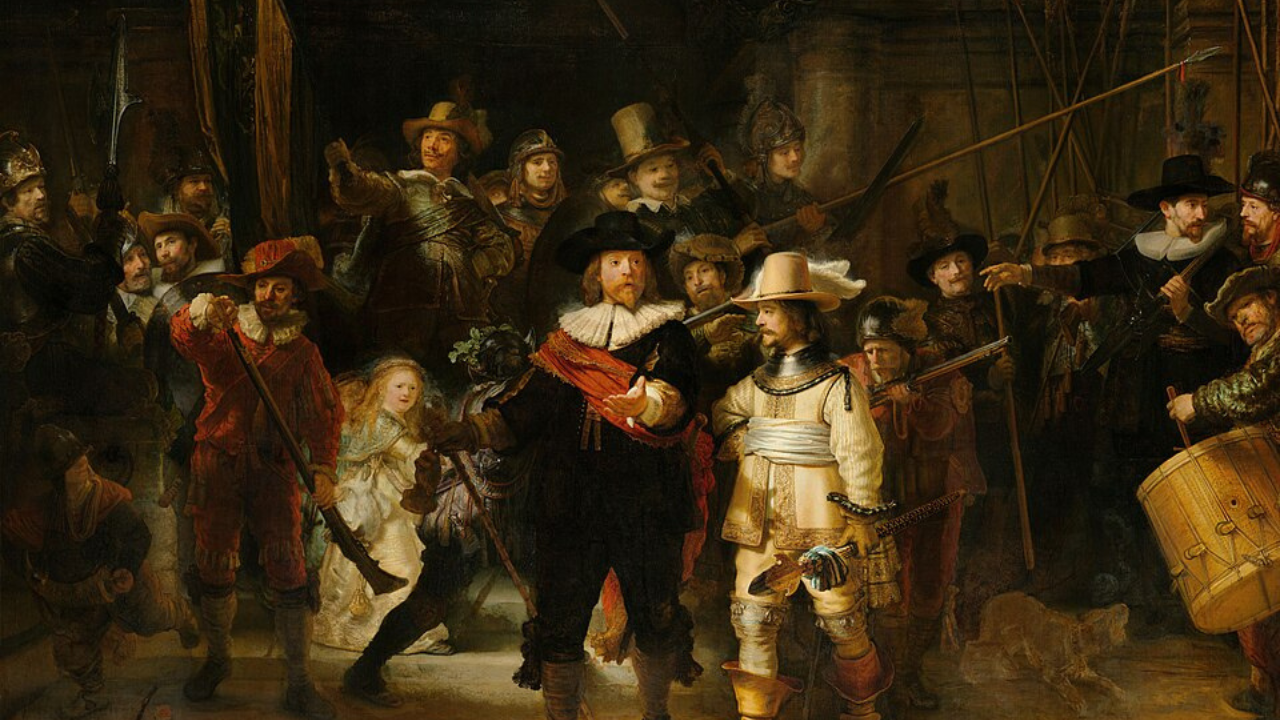
The Night Watch
© Wikipedia / Rembrandt -

The Night Watch

This artwork stands out for its dynamic composition and sense of movement. It breaks traditional portrait rules of its time. The painting shows a group of figures in action rather than static poses. It marked a turning point in group portrait painting.

  • Creator / Artist – Rembrandt van Rijn

  • Year / Time Period – 1642

  • Origin / Location – Rijksmuseum, Amsterdam, Netherlands

  • Historical Context – Dutch Golden Age militia portrait.

  • Significance / Impact – Revolutionized group portrait composition.

  • Interesting Fact – The painting was trimmed to fit a wall, cutting off parts of the original image.

10
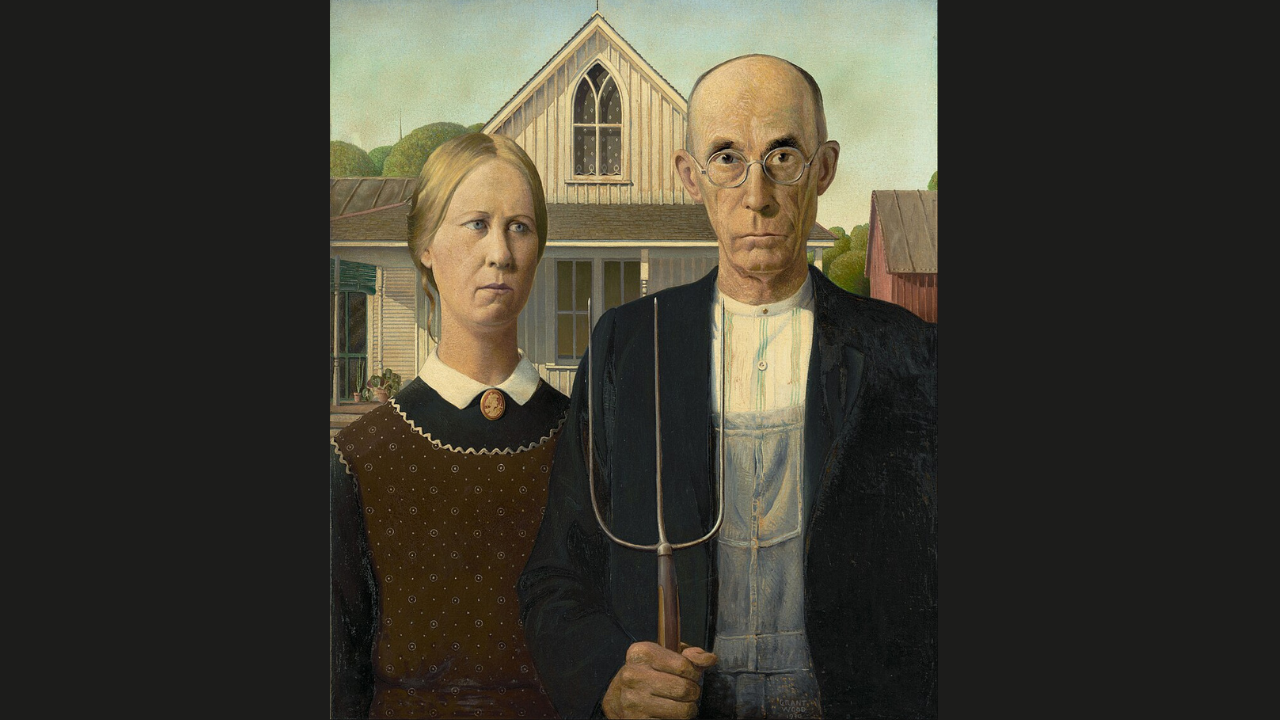
 American Gothic
© Wikipedia / Google Cultural Institute

American Gothic

This painting represents rural American life during a difficult economic time. It shows a strong sense of tradition and discipline. The subjects appear serious and symbolic of hard work. It has become a cultural icon of American art.

  • Creator / Artist – Grant Wood

  • Year / Time Period – 1930

  • Origin / Location – Art Institute of Chicago, USA

  • Historical Context – Painted during the Great Depression.

  • Significance / Impact – Represents rural American values and resilience.

  • Interesting Fact – The models were Wood’s dentist and his sister.

11
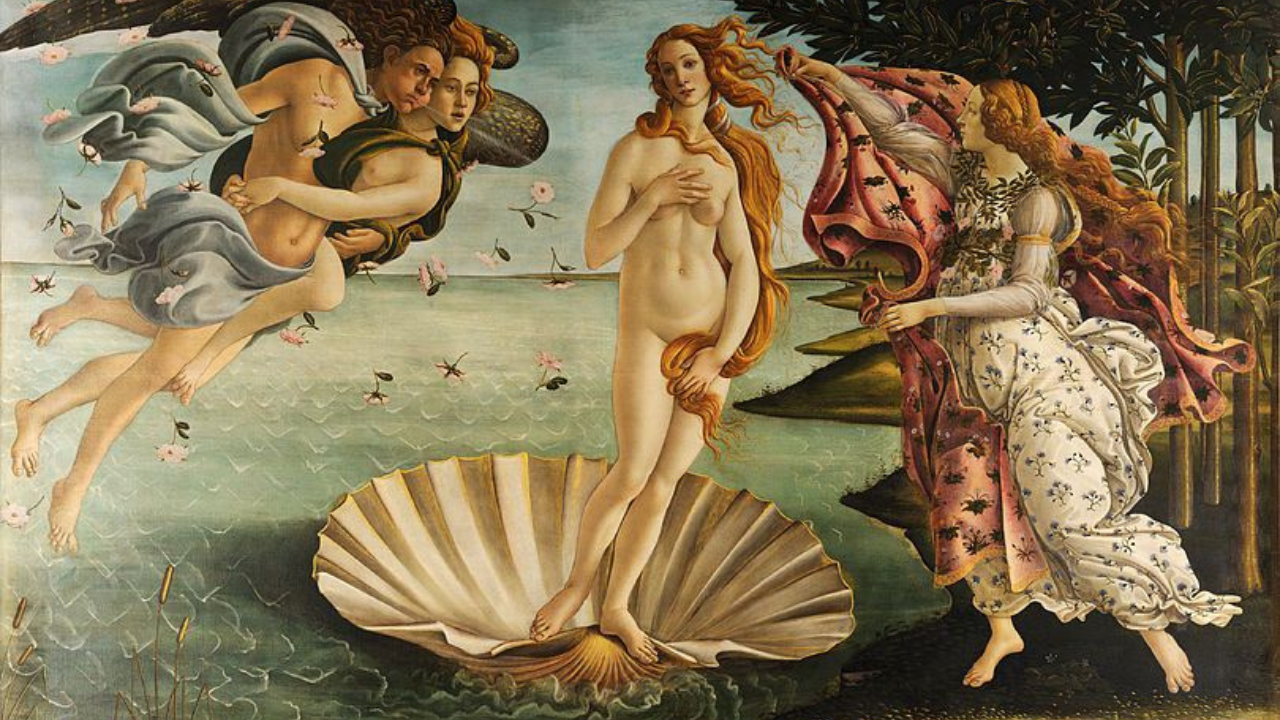
The Birth of Venus
© Wikipedia / The Birth of Venus (Botticelli) - Wikipedia, the free encyclopedia

The Birth of Venus

This artwork celebrates beauty, mythology, and classical ideals. It reflects the Renaissance interest in ancient Greek and Roman stories. The painting has a graceful and elegant composition. It is one of the earliest large mythological paintings.

  • Creator / Artist – Sandro Botticelli

  • Year / Time Period – c. 1485

  • Origin / Location – Uffizi Gallery, Florence, Italy

  • Historical Context – Renaissance fascination with mythology.

  • Significance / Impact – One of the first large-scale non-religious paintings.

  • Interesting Fact – Venus stands on a shell, symbolizing divine beauty.

12
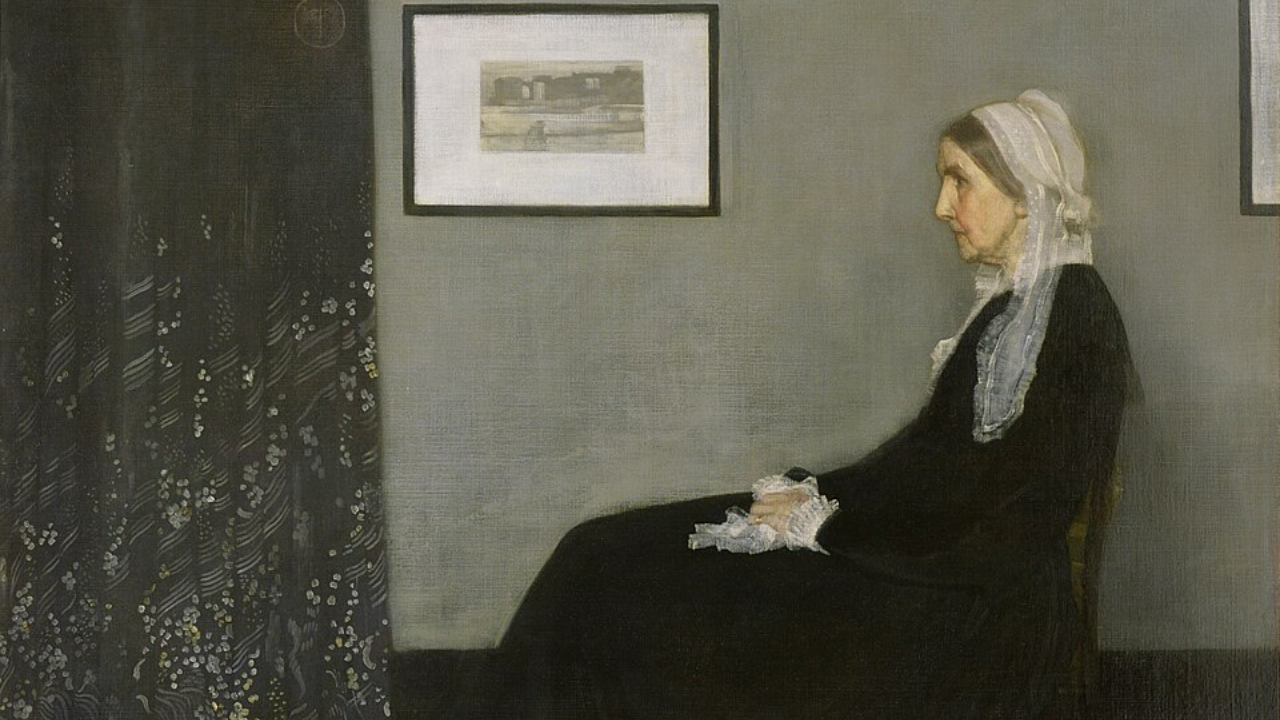
 Whistler’s Mother
© Wikipedia, the free encyclopedia

Whistler’s Mother

This portrait is a simple yet powerful representation of motherhood. Its composition reflects dignity and calmness. The artwork is often associated with themes of family and respect. It has become an iconic image of maternal strength.

  • Creator / Artist – James McNeill Whistler

  • Year / Time Period – 1871

  • Origin / Location – Musée d’Orsay, Paris, France

  • Historical Context – Victorian-era portraiture.

  • Significance / Impact – A symbol of motherhood and dignity.

  • Interesting Fact – The painting was originally rejected by the Royal Academy in London.

13
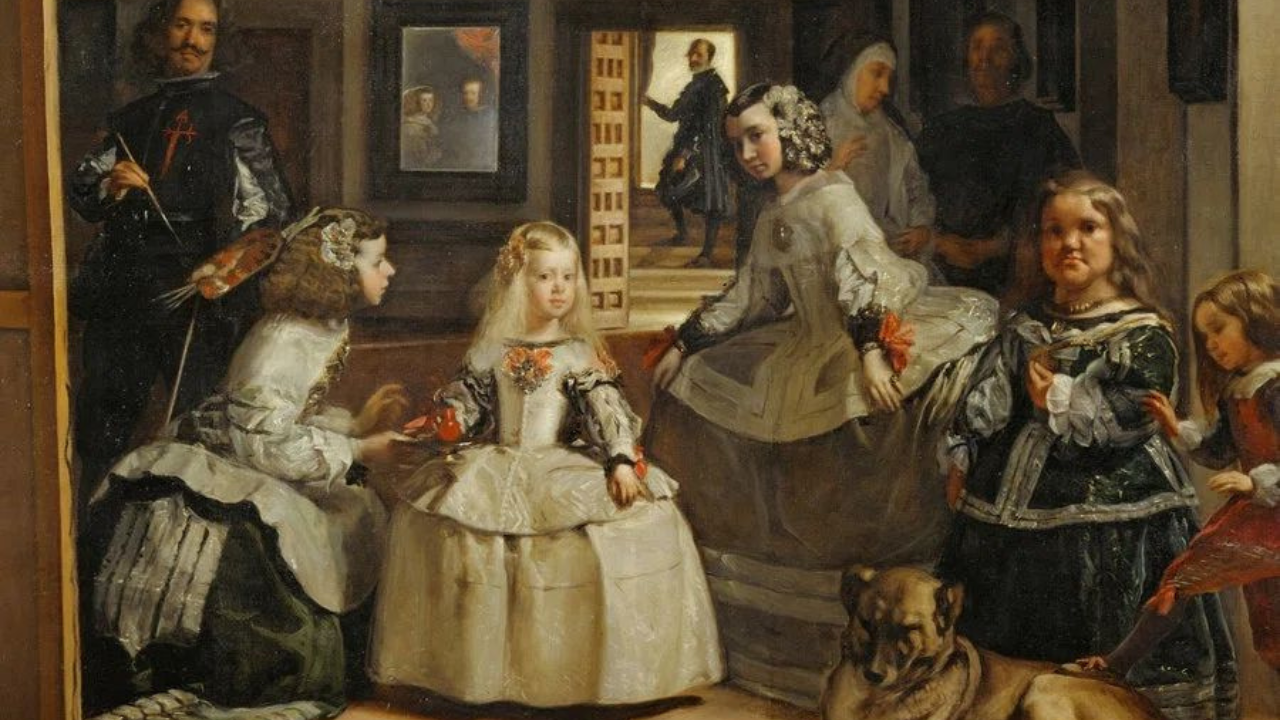
Las Meninas
© Pinterest / Betsy Lian (Ideas)

Las Meninas

This complex painting is admired for its clever use of perspective. It creates an illusion that includes the viewer in the scene. The artwork plays with reality and perception. It is considered one of the most analyzed paintings ever.

  • Creator / Artist – Diego Velázquez

  • Year / Time Period – 1656

  • Origin / Location – Museo del Prado, Madrid, Spain

  • Historical Context – Painted for the Spanish royal court.

  • Significance / Impact – Known for its complex perspective and illusion.

  • Interesting Fact – The artist includes himself in the painting, making it self-referential.

14
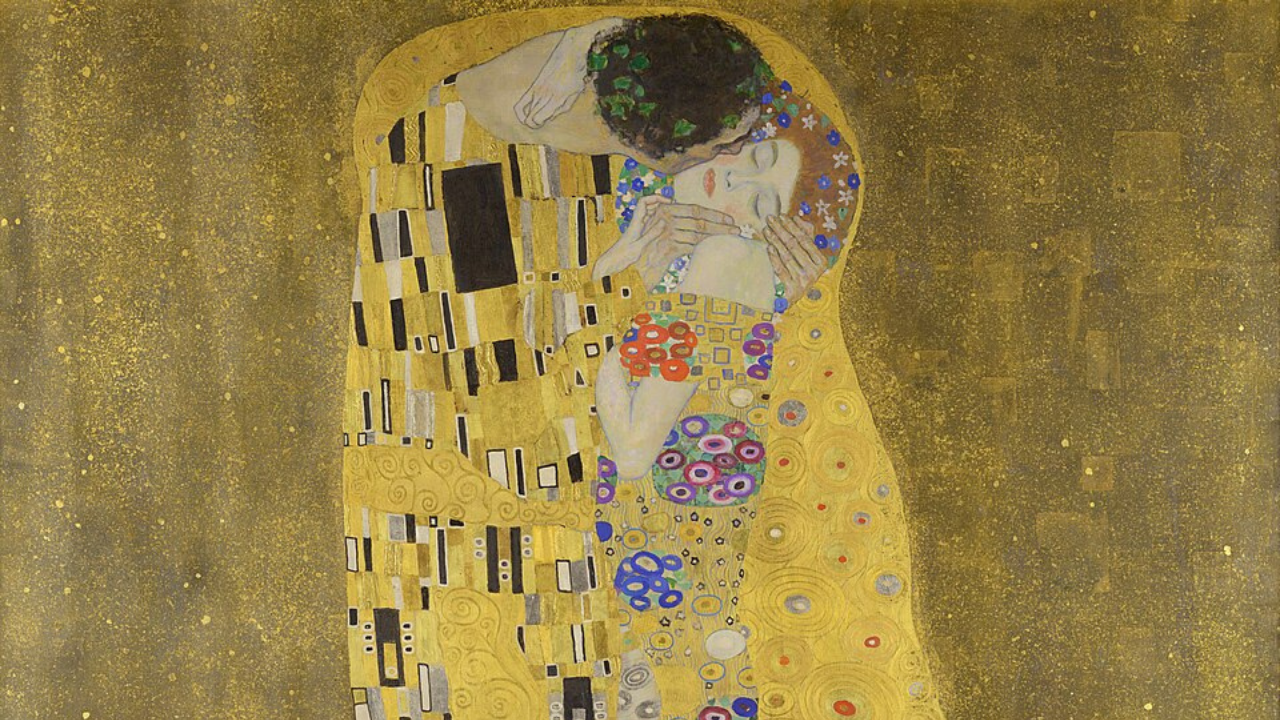
The Kiss
© Wikipedia / Google Art Project

The Kiss

This artwork is filled with emotion and decorative beauty. It represents love in an intimate and symbolic way. The use of gold makes it visually striking. It is a major work of the Art Nouveau movement.

  • Creator / Artist – Gustav Klimt

  • Year / Time Period – 1907–1908

  • Origin / Location – Belvedere Museum, Vienna, Austria

  • Historical Context – Art Nouveau movement.

  • Significance / Impact – Celebrates love and intimacy with decorative richness.

  • Interesting Fact – The gold leaf gives the painting a glowing, almost sacred quality.

15
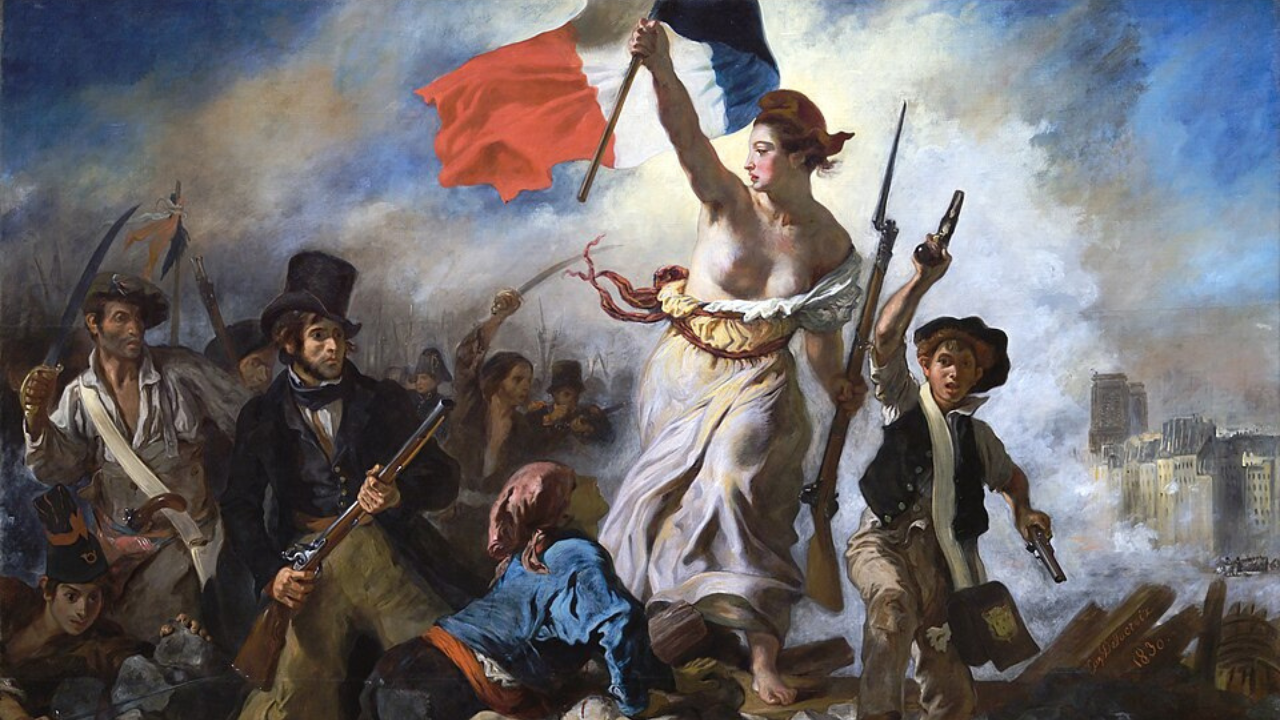
Liberty Leading the People
© Wikipedia / Shonagon

Liberty Leading the People

This painting captures a historic moment of revolution. It represents freedom, courage, and unity. The dramatic composition highlights the struggle for liberty. It remains a powerful symbol of resistance.

  • Creator / Artist – Eugène Delacroix

  • Year / Time Period – 1830

  • Origin / Location – Louvre Museum, Paris, France

  • Historical Context – Inspired by the July Revolution in France.

  • Significance / Impact – A symbol of revolution and freedom.

  • Interesting Fact – Liberty is depicted as a woman leading diverse social classes.

16
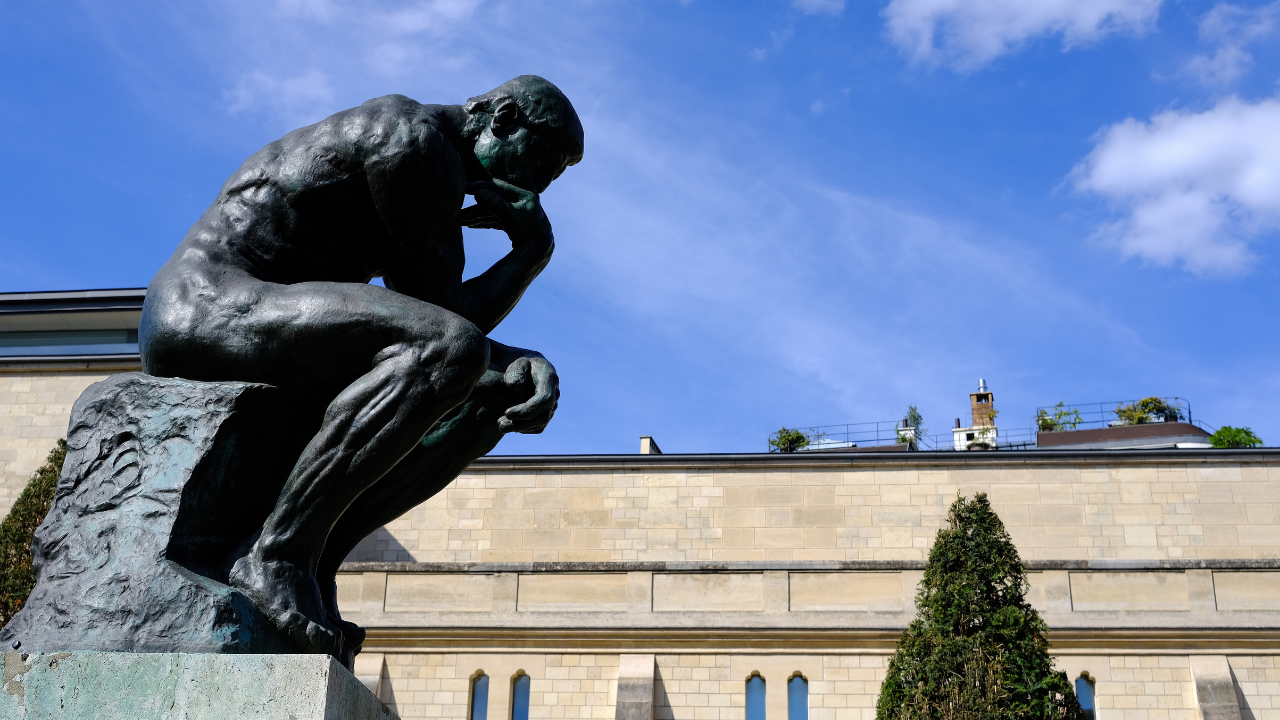
The Thinker
© Shutterstock/ MeSamong

The Thinker

This sculpture represents deep thought and philosophical reflection. It shows a man in a powerful and thoughtful pose. The artwork encourages viewers to reflect on human existence. It is one of the most famous sculptures in the world.

  • Creator / Artist – Auguste Rodin

  • Year / Time Period – 1904

  • Origin / Location – Musée Rodin, Paris, France

  • Historical Context – Originally part of a larger work called The Gates of Hell.

  • Significance / Impact – Represents philosophy and deep contemplation.

  • Interesting Fact – The figure was originally meant to represent Dante himself


Comments (0)

Leave a Reply

No comments yet. Be the first to share your thoughts!