Art and Culture Artists and Influence

The Lasting Impact of Picasso on Today’s Art World

Amelia Brooks
3.8
April 07, 2026

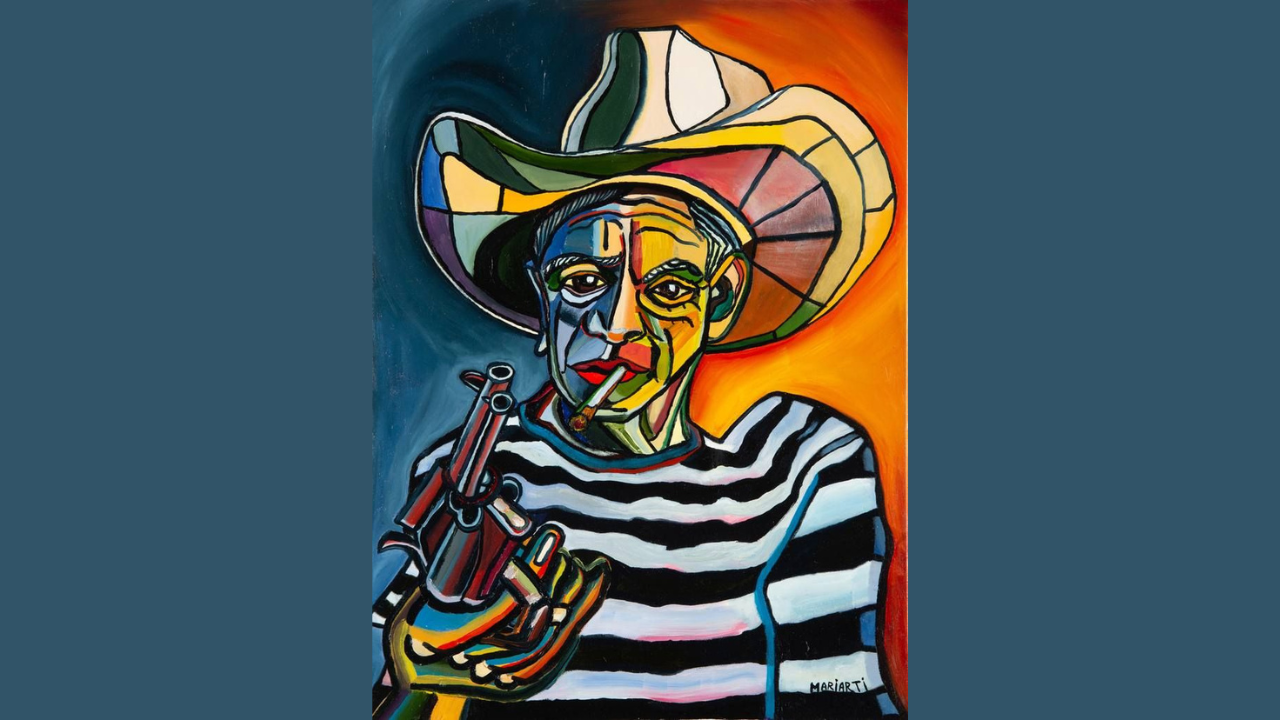
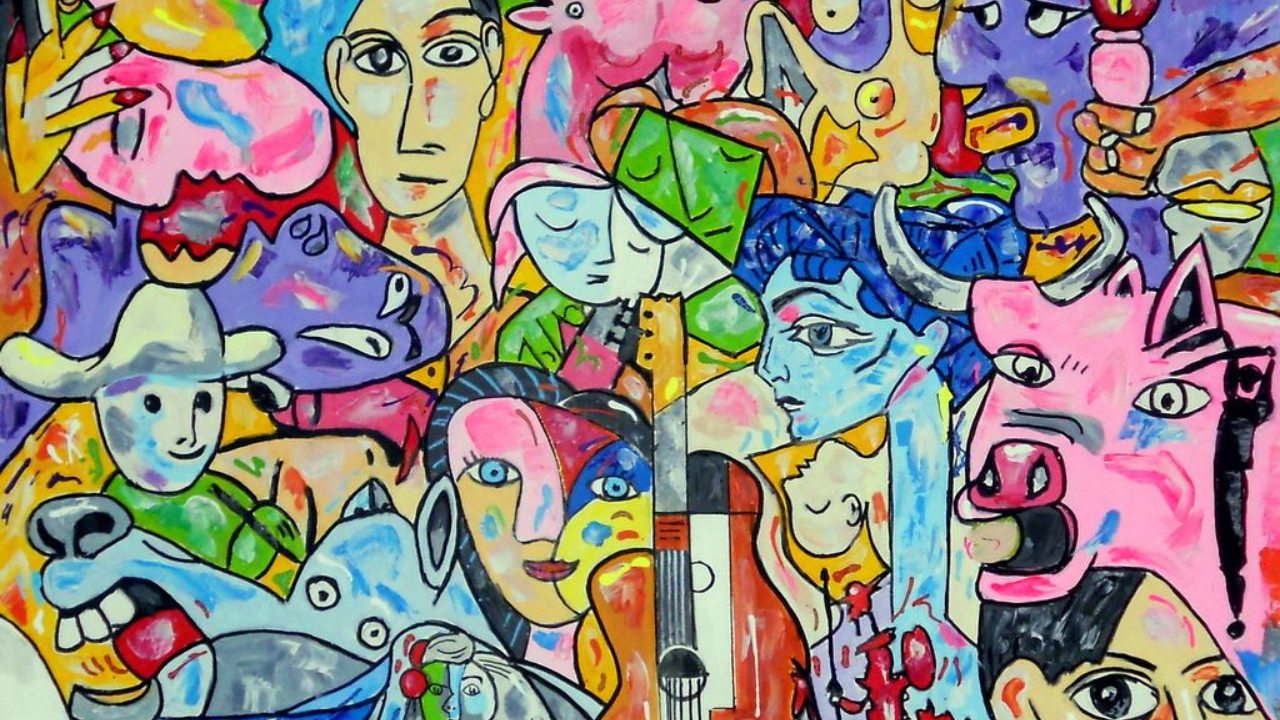
Few artists have transformed creativity as profoundly as Pablo Picasso. His work didn’t just reflect the world, it reshaped how we see it. By breaking rules, redefining form, and constantly evolving, he built a legacy that still influences artists, designers, and thinkers across the globe.
1
A Legacy Built on Reinvention and Revolution
© Pinterest / Architectural Digest

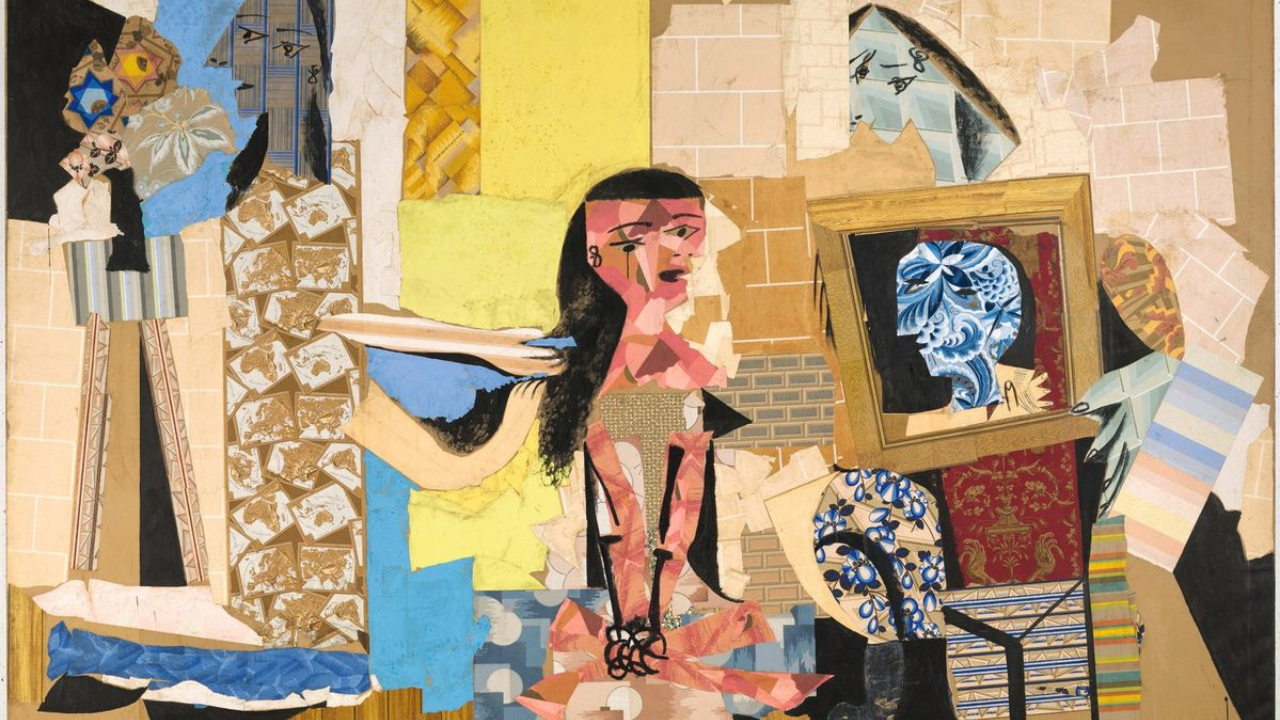
A Legacy Built on Reinvention and Revolution

What sets Picasso apart is his refusal to stay still. From realism to abstraction, and from painting to sculpture, he continuously reinvented his approach. Movements like Cubism didn’t just emerge,they transformed the visual language of art forever, forcing audiences to rethink perspective, structure, and meaning.

2
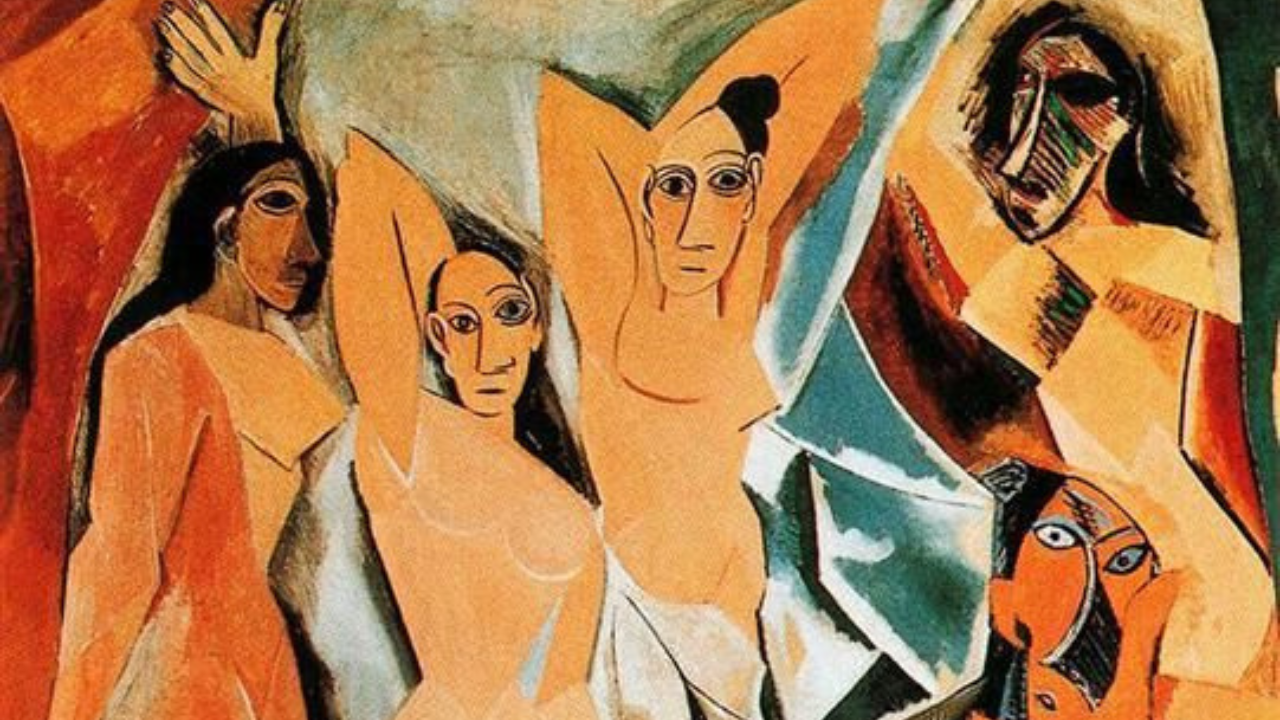
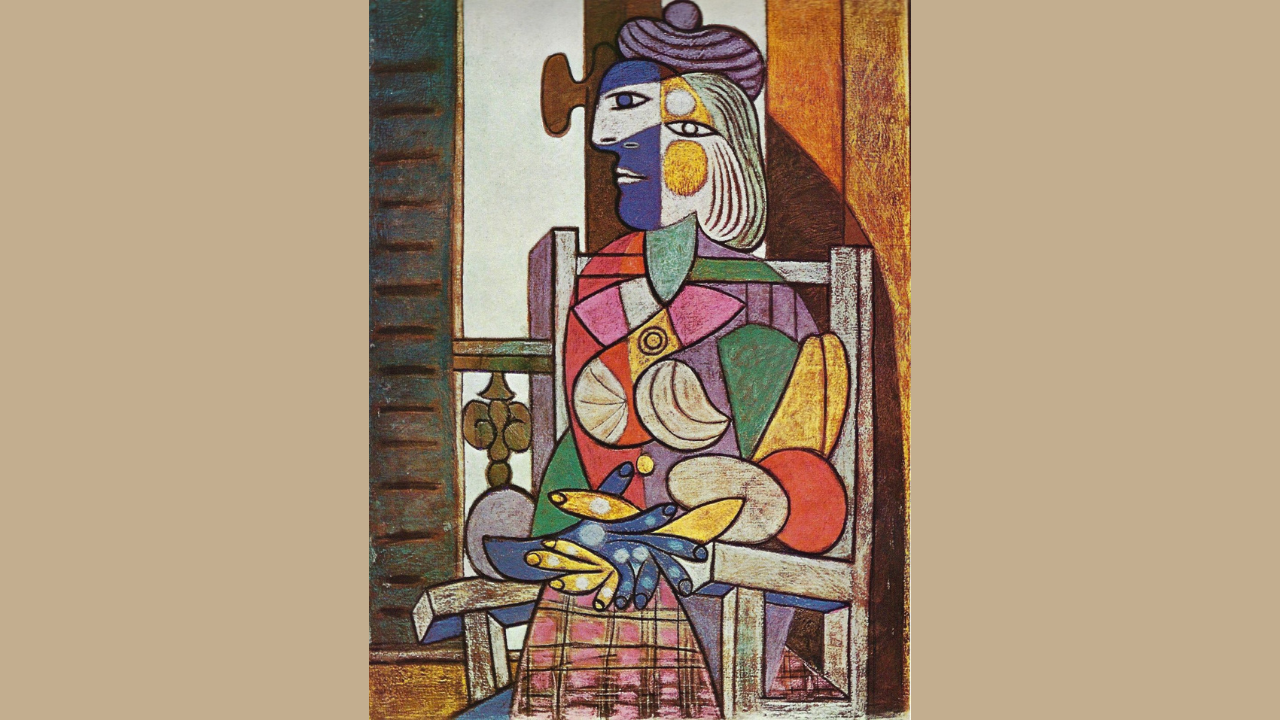
He Co-Founded Cubism, Changing Visual Language Forever
© Pinterest / OUTpost Art

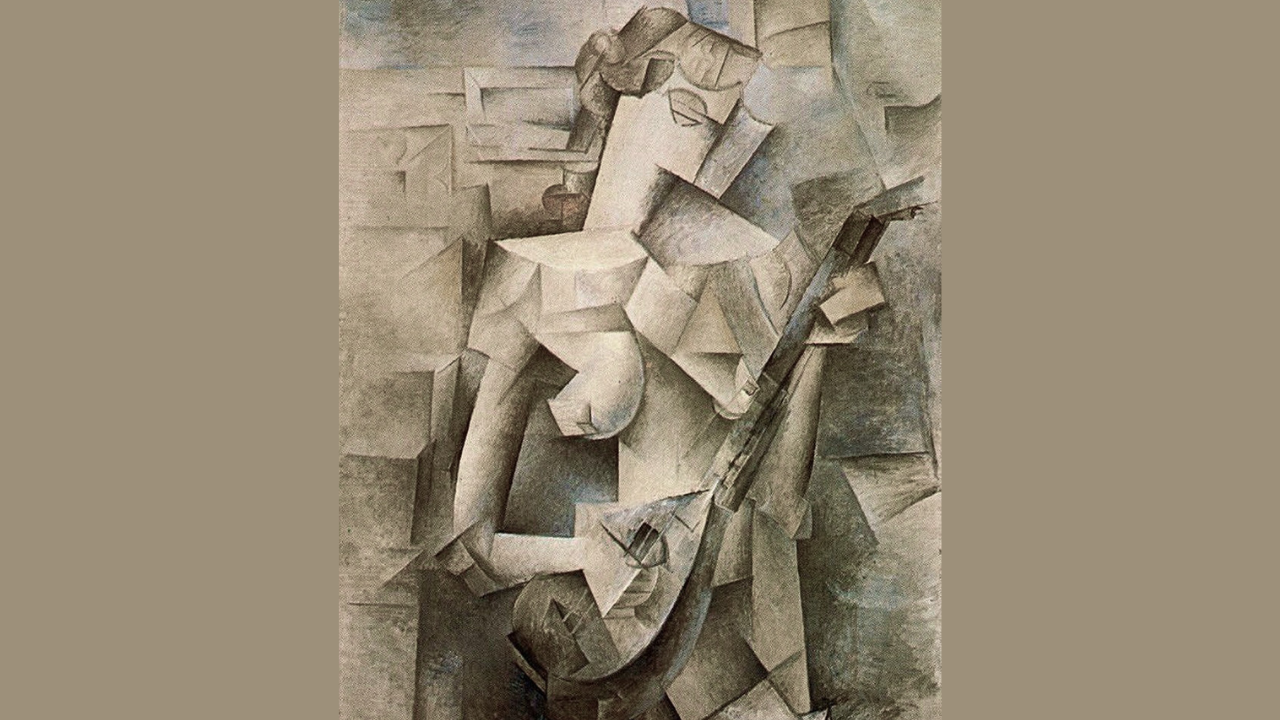
He Co-Founded Cubism, Changing Visual Language Forever

At a time when art was focused on realistic representation, this revolutionary approach broke objects into geometric forms and presented multiple viewpoints at once. It challenged viewers to actively interpret what they were seeing rather than passively observe. This shift didn’t just influence painting,it reshaped architecture, design, and even photography.

  • Year / Time Period – Early 1900s (1907–1914)

  • Origin / Location – Paris, France

  • Historical Context – A time of rapid industrial and intellectual change in Europe

  • Significance / Impact – Redefined how reality could be visually represented

  • Interesting Fact – Les Demoiselles d'Avignon is often considered the starting point of modern art  
3
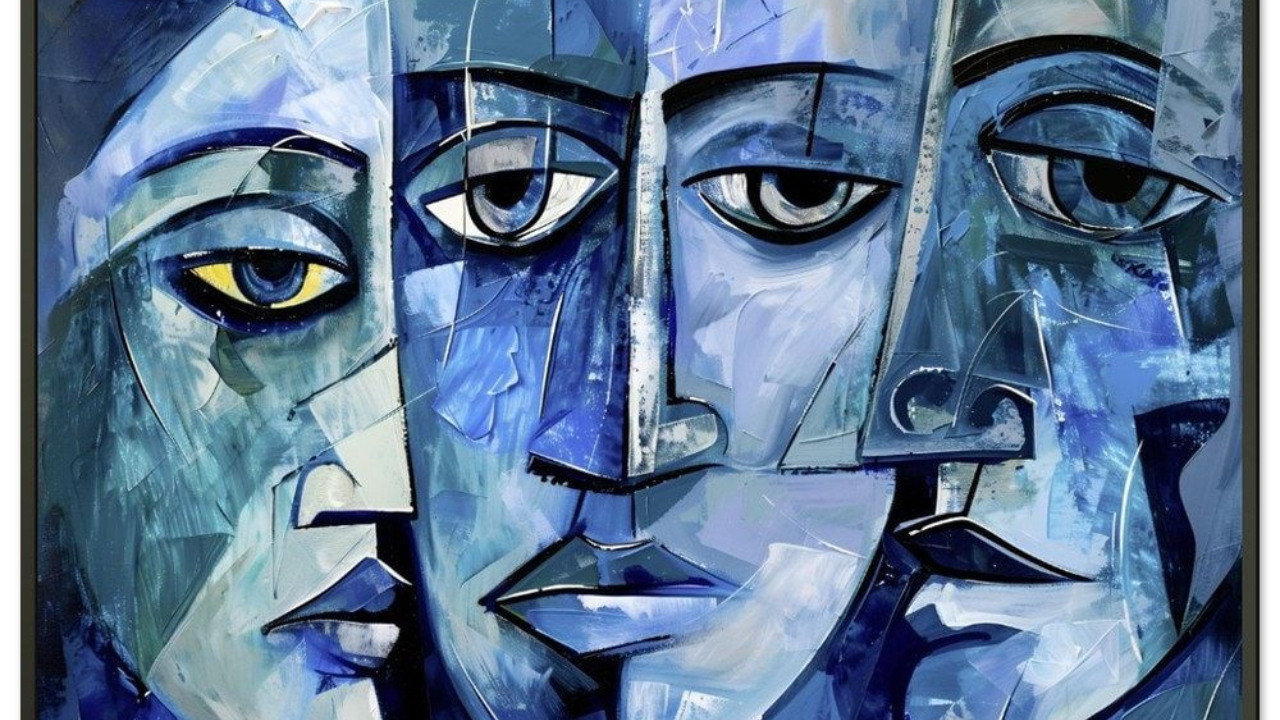
 The Blue Period Redefined Emotional Expression
© Veri Apriyatno Drawings

The Blue Period Redefined Emotional Expression

This deeply introspective phase marked a turning point where emotion took center stage over technical perfection. Through muted blues and elongated figures, themes of loneliness, poverty, and despair became visually powerful and universally relatable. It showed that art could communicate feeling just as strongly as narrative.

  • Year / Time Period – 1901–1904

  • Origin / Location – Spain and Paris

  • Historical Context – Influenced by personal grief and hardship

  • Significance / Impact – Demonstrated how color alone can convey emotion

  • Interesting Fact – The phase was triggered by the loss of a close friend

4
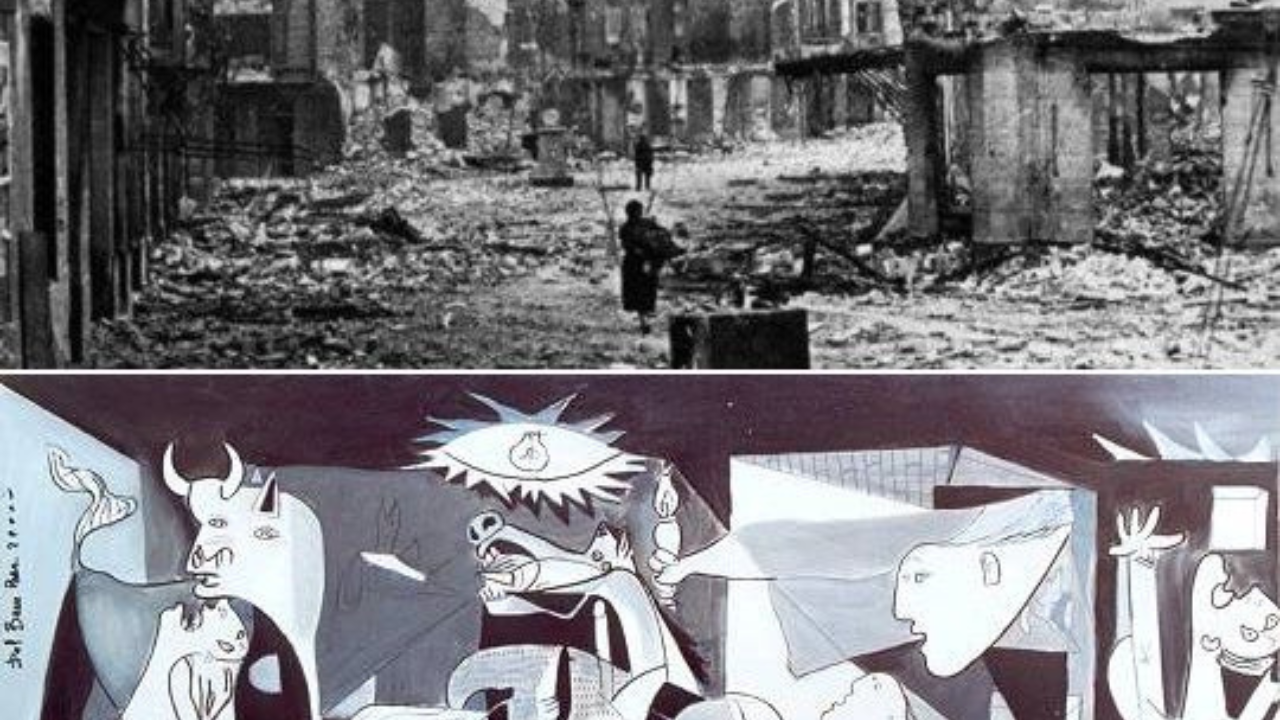
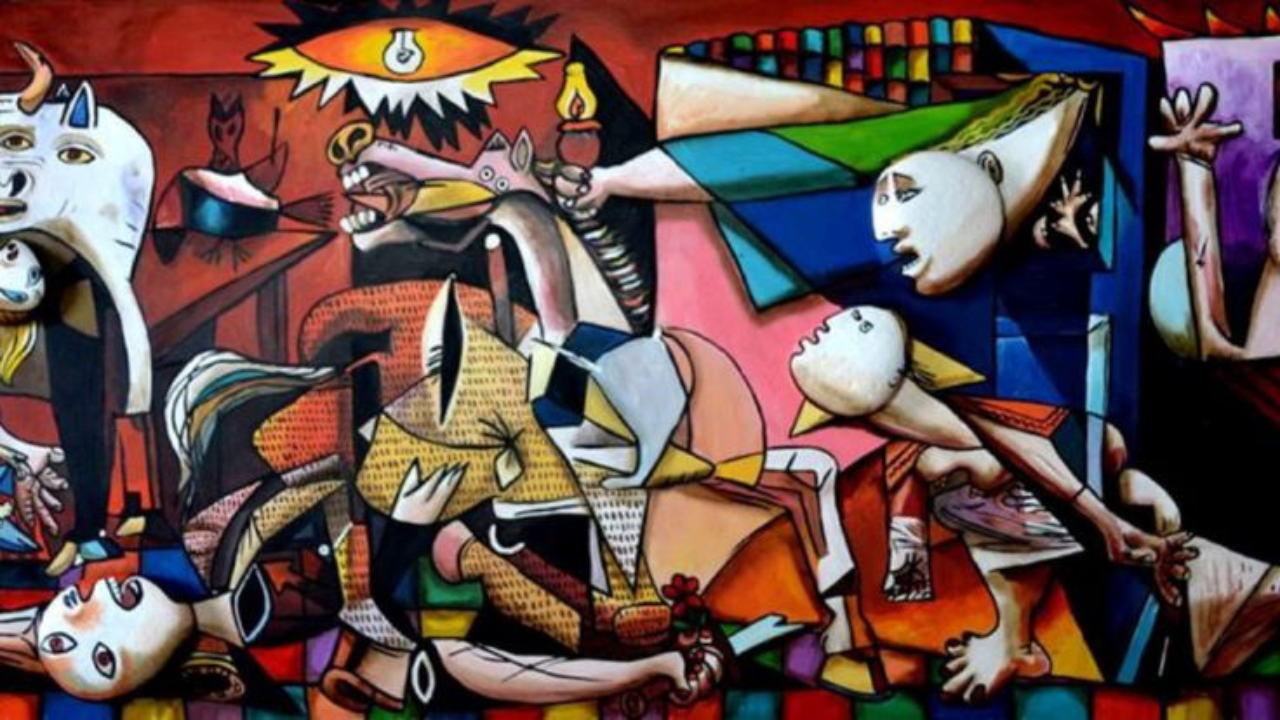
Guernica Remains a Powerful Anti-War Symbol
© Pinterest / María T.

Guernica Remains a Powerful Anti-War Symbol

Few artworks capture the brutality of conflict as powerfully as this monumental piece. Its chaotic composition, distorted figures, and stark monochrome palette evoke fear, pain, and destruction without depicting a single specific moment. It continues to resonate as a timeless warning against violence.

  • Year / Time Period – 1937

  • Origin / Location – Created in Paris; now in Madrid

  • Historical Context – Response to the bombing during the Spanish Civil War

  • Significance / Impact – Became a global symbol of peace and protest

  • Interesting Fact – Guernica was kept out of Spain until democracy returned

5
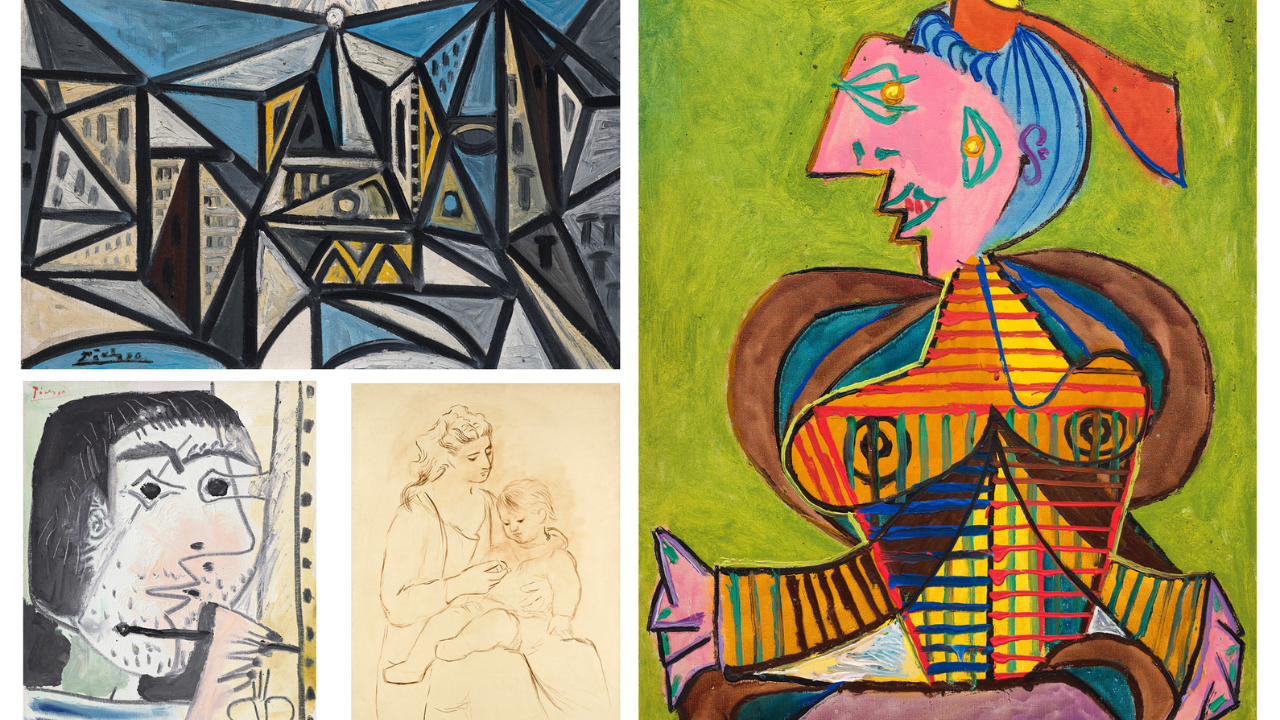
Mastery Across Multiple Mediums
© @christies

Mastery Across Multiple Mediums

Rather than limiting creativity to a single form, this approach embraced a wide range of artistic expressions. From painting to sculpture and ceramics, each medium was explored with the same intensity and innovation. This versatility demonstrated that artistic identity is not confined, it evolves across materials and techniques.

  • Year / Time Period – Entire career

  • Origin / Location – France and Spain

  • Historical Context – A period of expanding artistic experimentation

  • Significance / Impact – Broadened the definition of a visual artist

  • Interesting Fact – Over 20,000 works were produced

6
Constant Reinvention of Style
© Pinterest / Etsy

Constant Reinvention of Style

Instead of settling into one recognizable style, each phase brought something entirely new and unexpected. This constant transformation kept the work fresh and unpredictable, challenging both audiences and critics. It proved that growth in art comes from change, not repetition.

  • Year / Time Period – Late 1800s to mid-1900s

  • Origin / Location – Europe

  • Historical Context – Rapid evolution of modern art

  • Significance / Impact – Encouraged artists to embrace change

  • Interesting Fact – His work often looks like it belongs to multiple different artists

7
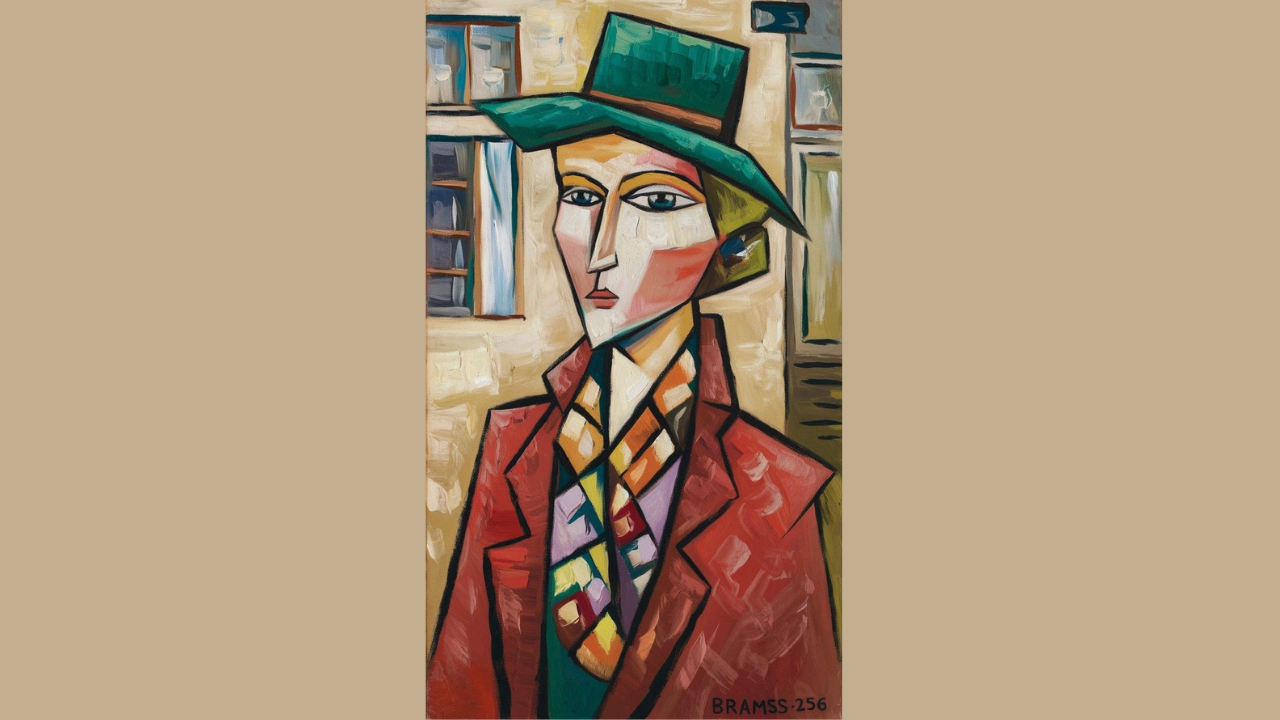
Bridging Classical and Modern Art
© Pinterest / bramss256

Bridging Classical and Modern Art

By combining traditional training with bold experimentation, a unique balance between discipline and innovation was achieved. Classical techniques provided a strong foundation, while modern ideas pushed boundaries. This fusion created a bridge between centuries of artistic tradition and the future of abstraction.

  • Year / Time Period – Early to mid-1900s

  • Origin / Location – Europe

  • Historical Context – Transition from classical to modern art

  • Significance / Impact – Connected past artistic traditions with future innovation

  • Interesting Fact – Formal academic training shaped early skills

8
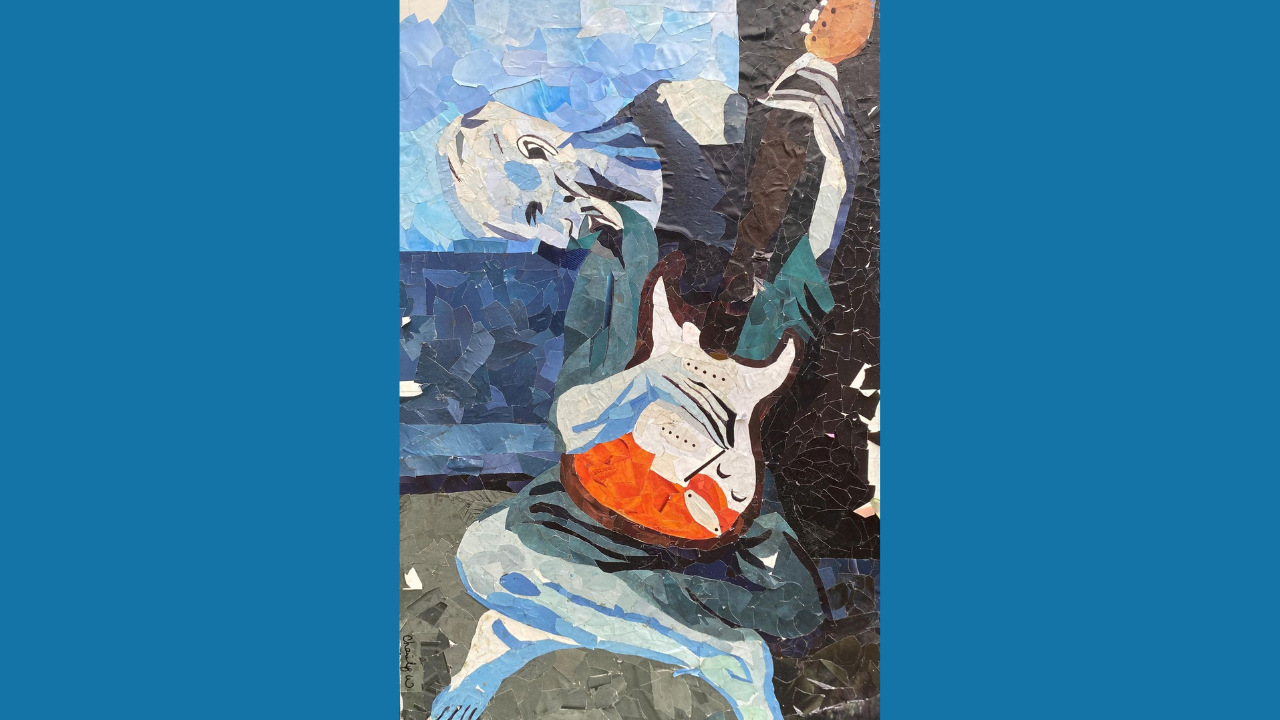
Influence on Generations of Artists
© Pinterest / Joseph Stryker

Influence on Generations of Artists

The impact goes far beyond individual works,it extends into classrooms, studios, and entire movements. Many modern artists draw directly or indirectly from these ideas, whether through abstraction, experimentation, or emotional storytelling. This lasting influence continues to shape creative thinking today.

  • Year / Time Period – 20th century onward

  • Origin / Location – Global

  • Historical Context – Rise of modern and contemporary art

  • Significance / Impact – Inspired countless artists and movements

  • Interesting Fact – His techniques are still widely taught

9
Art as a Tool for Political Expression
© Pinterest / gaston

Art as a Tool for Political Expression

Art became more than aesthetic, it became a voice. Through powerful imagery and symbolism, political messages were communicated in ways that words often couldn’t. This approach demonstrated how creative work can challenge authority, raise awareness, and inspire change.

  • Year / Time Period – 1930s–1940s

  • Origin / Location – Europe

  • Historical Context – Wars and political unrest

  • Significance / Impact – Showed art’s power in activism

  • Interesting Fact – Political beliefs influenced several major works

10
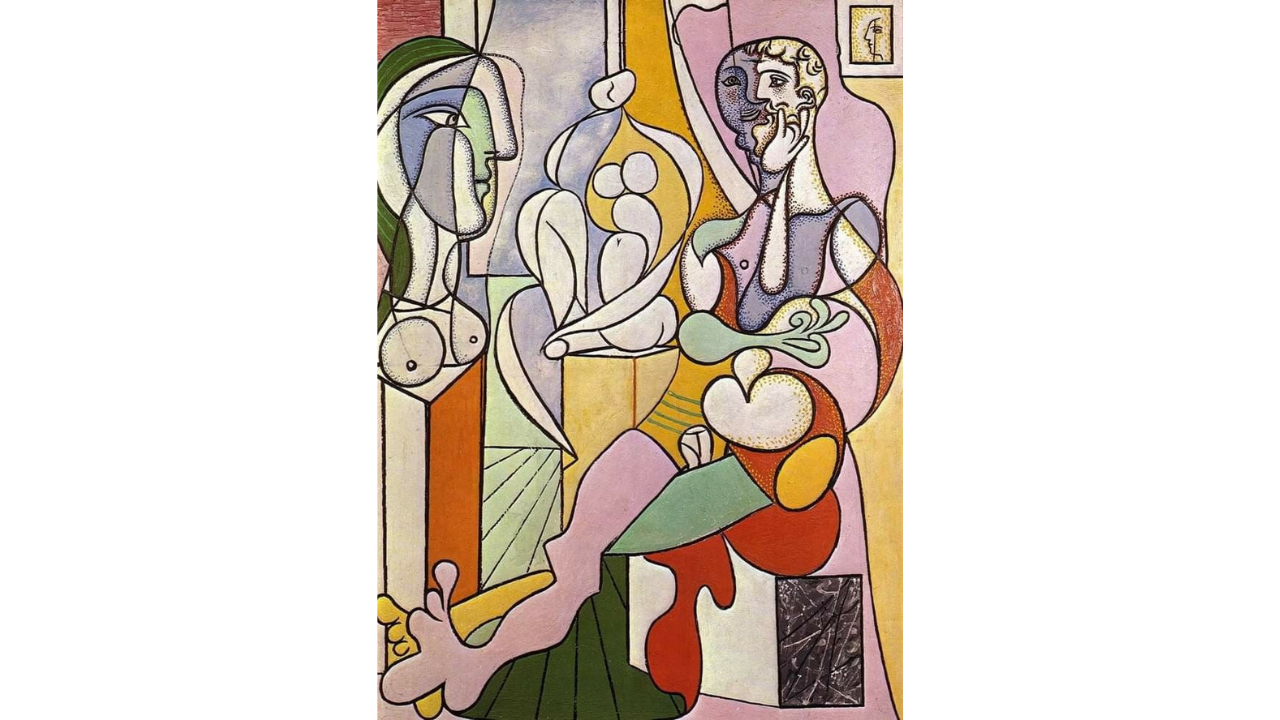
Shaping Modern Art Movements
© Pinterest / Swara

Shaping Modern Art Movements

The influence extended into multiple movements, helping shape the direction of 20th-century art. Even without formally joining every group, the ideas introduced became foundational. This ripple effect ensured that innovation continued far beyond a single career.

  • Year / Time Period – 20th century

  • Origin / Location – Europe

  • Historical Context – Explosion of avant-garde ideas

  • Significance / Impact – Helped define modern art’s evolution

  • Interesting Fact – Inspired artists across different styles and movements

11
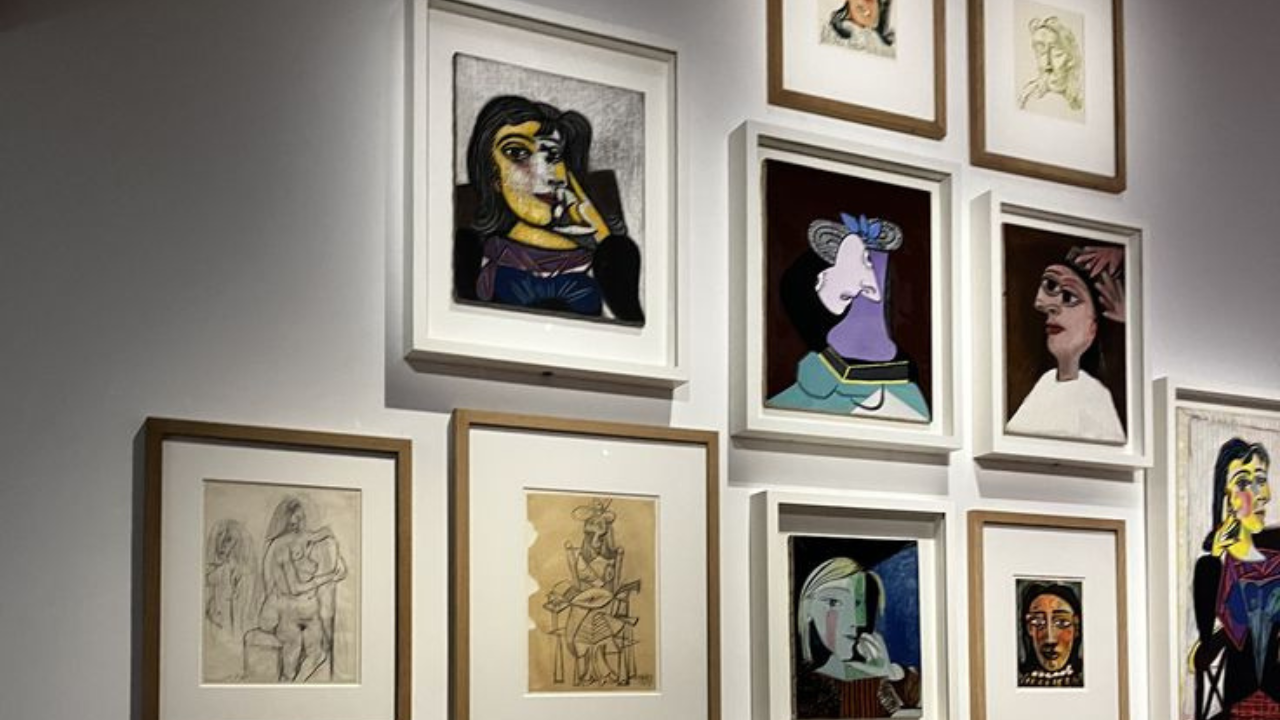
Presence in Major Museums Worldwide
© Pinterest / molly loucks

Presence in Major Museums Worldwide

Today, these works are not confined to history books, they are displayed in leading museums across the globe. Visitors from different cultures continue to engage with them, keeping the legacy alive. This global presence ensures ongoing relevance and appreciation.

  • Year / Time Period – Ongoing

  • Origin / Location – International collections

  • Historical Context – Continued appreciation of modern art

  • Significance / Impact – Keeps the legacy alive for new generations

  • Interesting Fact – Musée Picasso holds one of the largest collections

12
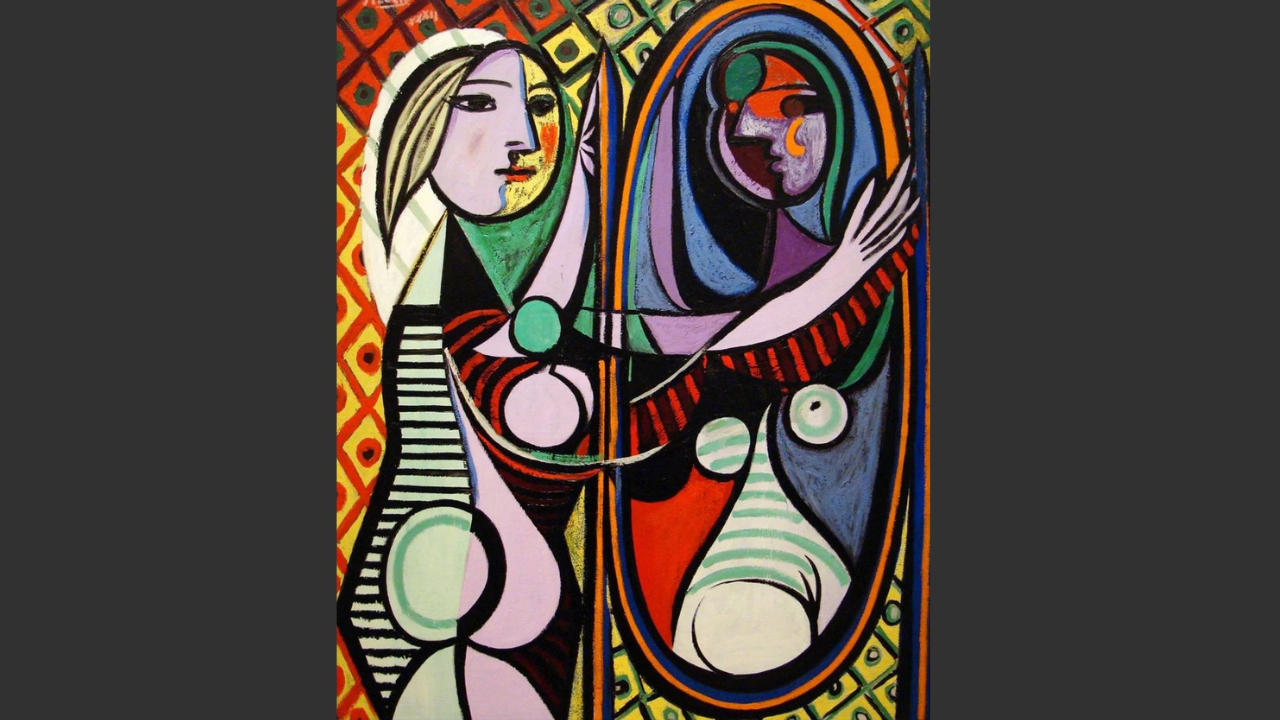
 Redefining Perspective
© Pinterest / Etsy

Redefining Perspective

Traditional single-point perspective was replaced with something far more dynamic and complex. By showing multiple angles at once, the viewer is invited to engage more deeply with the subject. This innovation transformed how visual storytelling works.

  • Year / Time Period – Early 1900s

  • Origin / Location – Paris

  • Historical Context – Changing ideas about perception and reality

  • Significance / Impact – Revolutionized visual storytelling

  • Interesting Fact – Influenced architecture and design

13
Making Art More Relatable
© Pinterest / maja

Making Art More Relatable

Rather than focusing only on grand themes, everyday life and raw human emotion became central. This shift made modern art feel more accessible and personal. Audiences could see their own struggles and experiences reflected in the work.

  • Year / Time Period – Entire career

  • Origin / Location – Europe

  • Historical Context – Social and cultural shifts

  • Significance / Impact – Strengthened emotional connection with audiences

  • Interesting Fact – Many works were inspired by personal experiences

14
Encouraging Bold Experimentation
© Pinterest / Reckon Talk

Encouraging Bold Experimentation

Risk-taking became a defining feature of artistic growth. Trying new techniques, breaking rules, and even embracing failure were all part of the creative process. This mindset continues to inspire artists to push boundaries.

  • Year / Time Period – Entire career

  • Origin / Location – Europe

  • Historical Context – Rise of avant-garde experimentation

  • Significance / Impact – Encouraged fearless creativity

  • Interesting Fact – Many works were reworked or abandoned  
15
Redefining the Role of the Artist
© Pinterest / Isabellaxjoy

Redefining the Role of the Artist

The image of the artist shifted from a quiet creator to a cultural force. Art became intertwined with personality, public image, and influence. This transformation changed how artists interact with society even today.

  • Year / Time Period – 20th century

  • Origin / Location – Global

  • Historical Context – Growth of media and celebrity culture

  • Significance / Impact – Elevated the artist’s role in society

  • Interesting Fact – Became one of the first globally recognized artist figures

16
Influence Beyond Fine Art
© Pinterest / jy rendo

Influence Beyond Fine Art

The impact extends far beyond galleries into fashion, advertising, and digital media. Elements of style and structure continue to appear in unexpected places. This cross-industry influence proves the lasting power of true innovation.

  • Year / Time Period – Ongoing

  • Origin / Location – Worldwide

  • Historical Context – Expansion of creative industries

  • Significance / Impact – Inspired multiple creative fields

  • Interesting Fact – His style appears in modern branding and animation


Comments (0)

Leave a Reply

No comments yet. Be the first to share your thoughts!