Art and Culture Art Insights and Stories

The Revolutionary Vision of Vincent van Gogh

Amelia Brooks
4.1
April 06, 2026

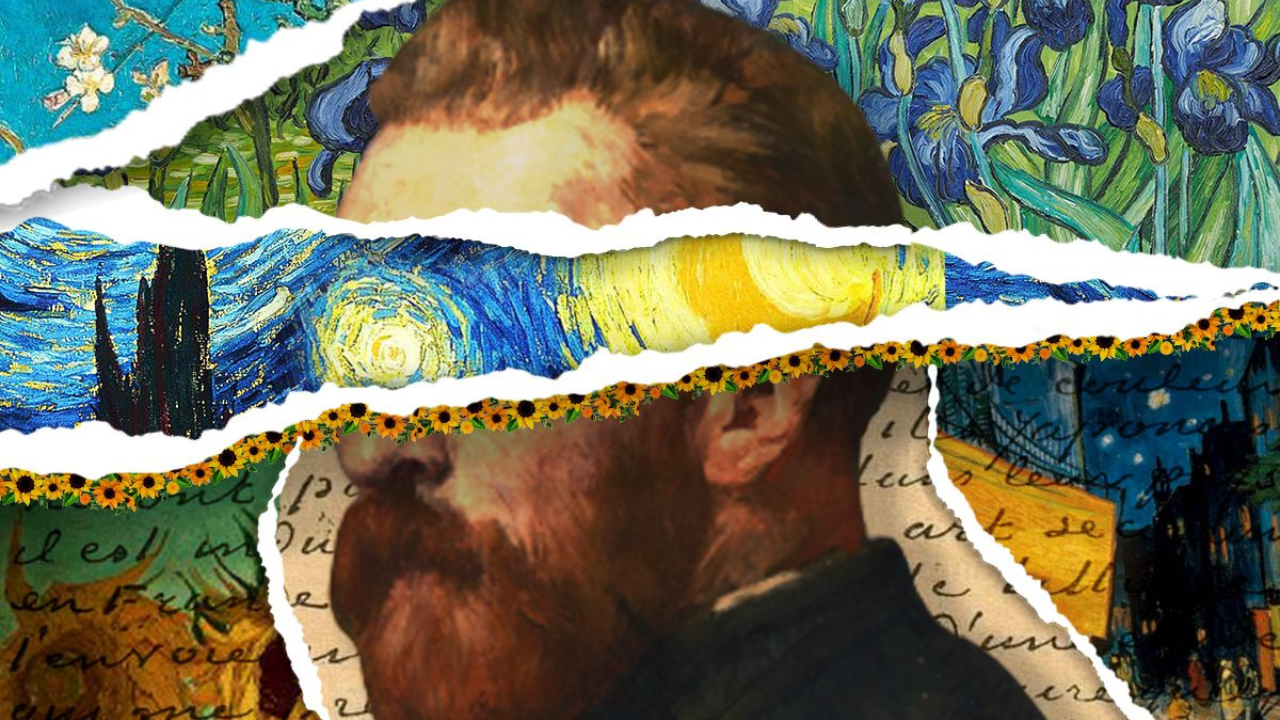
Few artists in history have been as misunderstood during their lifetime as Vincent van Gogh. Today, his works are celebrated worldwide for their emotional depth, bold colors, and expressive brushwork but during his life, he struggled with obscurity, poverty, and criticism. What makes van Gogh truly remarkable is how his artistic vision anticipated major movements that would only gain popularity years after his death.
1
A Vision That Defied Convention
© Pinterest / Gulay Zakaria

A Vision That Defied Convention

At a time when art was expected to reflect reality with precision and restraint, van Gogh chose a radically different path. He painted not just what he saw, but what he felt distorting forms, exaggerating colors, and using energetic strokes to convey emotion. This approach laid the groundwork for modern art styles like Expressionism and Abstract Art, proving that van Gogh wasn’t just part of art history, he was ahead of it. Van Gogh’s work offers a fascinating look into how innovation often precedes acceptance. Below are some of his most iconic creations that highlight just how forward-thinking he truly was. Each piece reflects his unique approach, emotional intensity, and artistic bravery that would later influence generations.

2
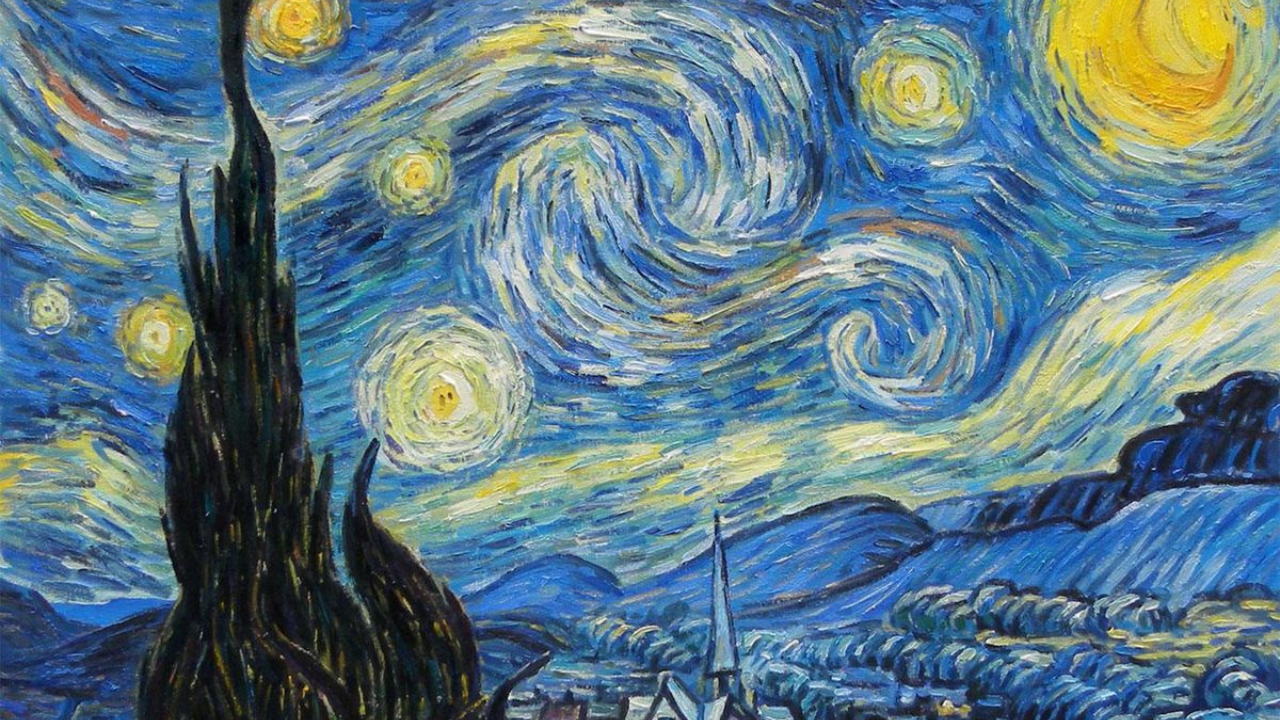
The Starry Night
© Pinterest / LittleLiah

The Starry Night

This swirling, dreamlike night sky is one of the most recognizable paintings in the world, showcasing an emotional interpretation of nature rather than a realistic depiction. Its bold movement and vivid contrasts were far from conventional at the time.

  • Year / Time Period – 1889, during the Post-Impressionist era.

  • Origin / Location – Painted in Saint-Rémy-de-Provence, France; currently at the Museum of Modern Art.

  • Historical Context – Created while van Gogh was in a mental asylum, reflecting both his inner turmoil and fascination with the night sky.

  • Significance / Impact – Anticipated Expressionism with its emotional intensity and abstract qualities.

  • Interesting Fact – The swirling sky patterns may have been inspired by real observations of turbulence in nature.  
3
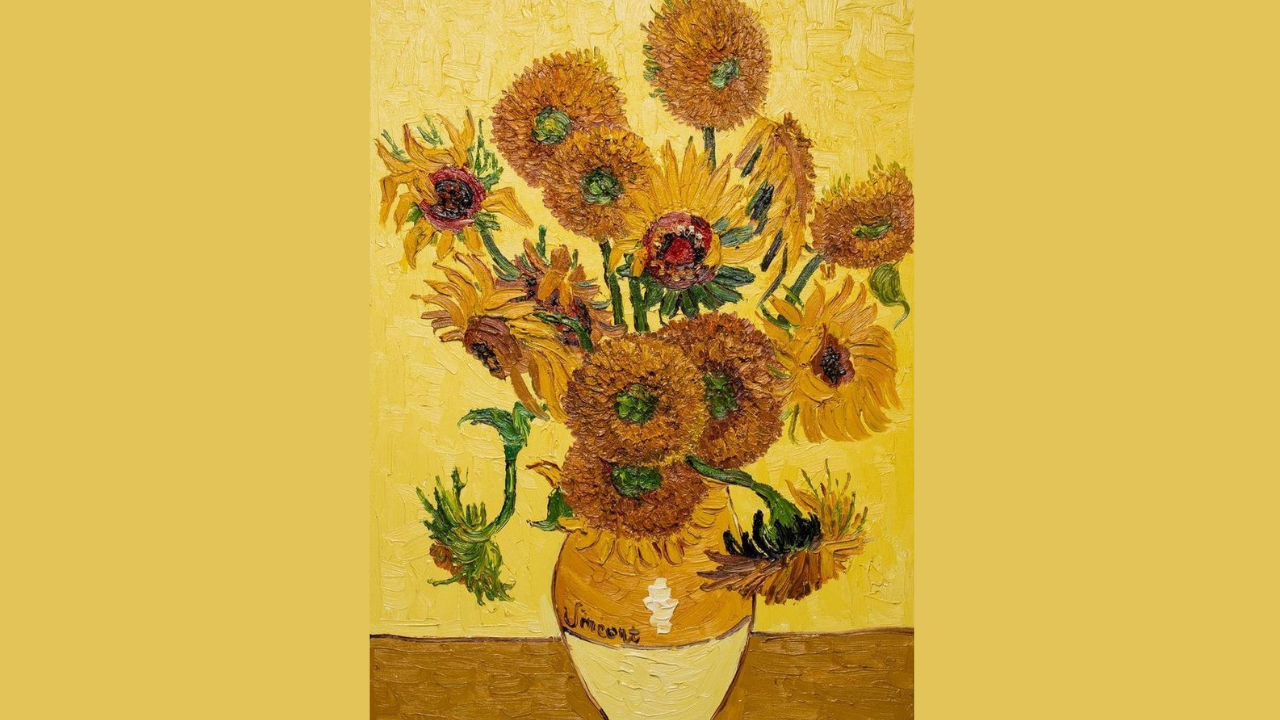
Sunflowers Series
© Pinterest/ Soph M

Sunflowers Series

Bright, bold, and full of life, these paintings turned ordinary flowers into powerful symbols of vitality and decay. Their intense yellows were groundbreaking for the time.

  • Year / Time Period – 1888–1889.

  • Origin / Location – Painted in Arles, France; versions are housed in museums like the National Gallery.

  • Historical Context – Created while he was hoping to establish an artist community with Paul Gauguin.

  • Significance / Impact – Helped redefine still life painting with emotional symbolism and bold color use.

  • Interesting Fact – A unique shade of yellow used in these works has proven difficult to preserve over time.

4
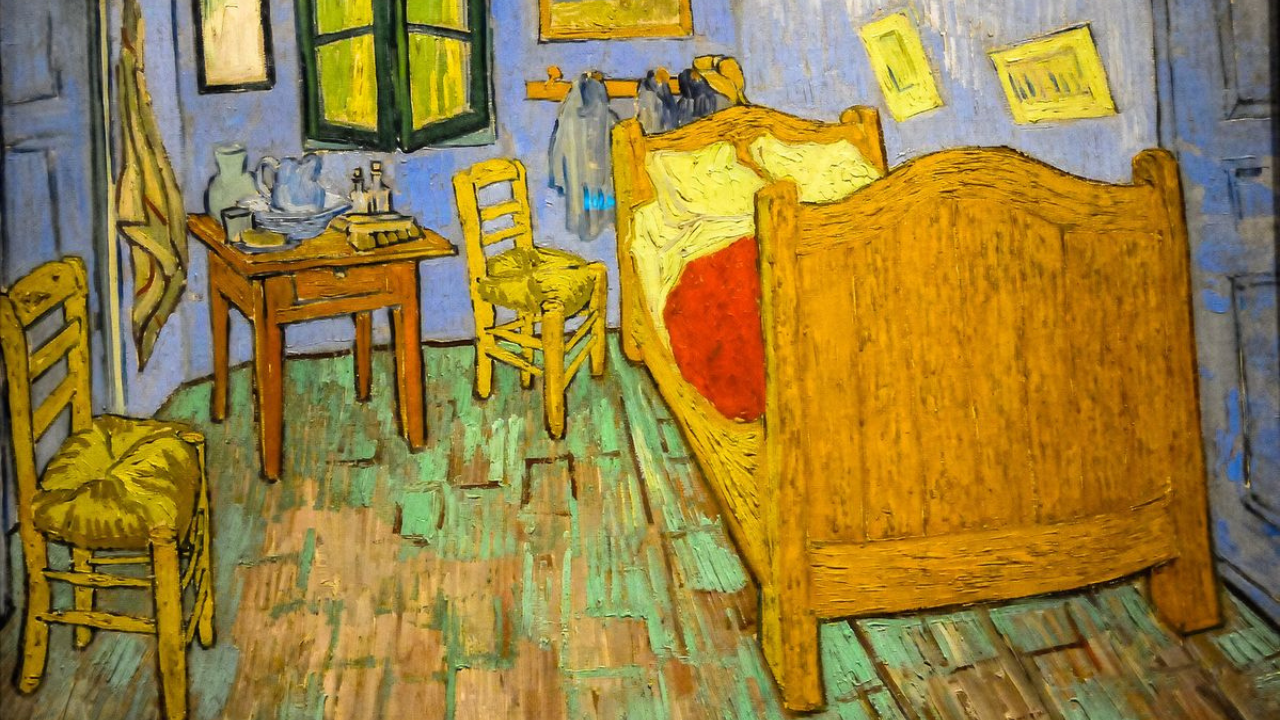
The Bedroom
© Pinterest/ Flickr

The Bedroom

This painting of a simple room uses distorted perspective and simplified forms to create a sense of comfort and intimacy.

  • Year / Time Period – 1888.

  • Origin / Location – Arles, France; one version is in the Art Institute of Chicago.

  • Historical Context – Painted during a hopeful period when stability and companionship seemed possible.

  • Significance / Impact – Showcased early experimentation with color psychology and abstraction.

  • Interesting Fact – Uneven lines were intentionally used to evoke restfulness rather than realism.

5
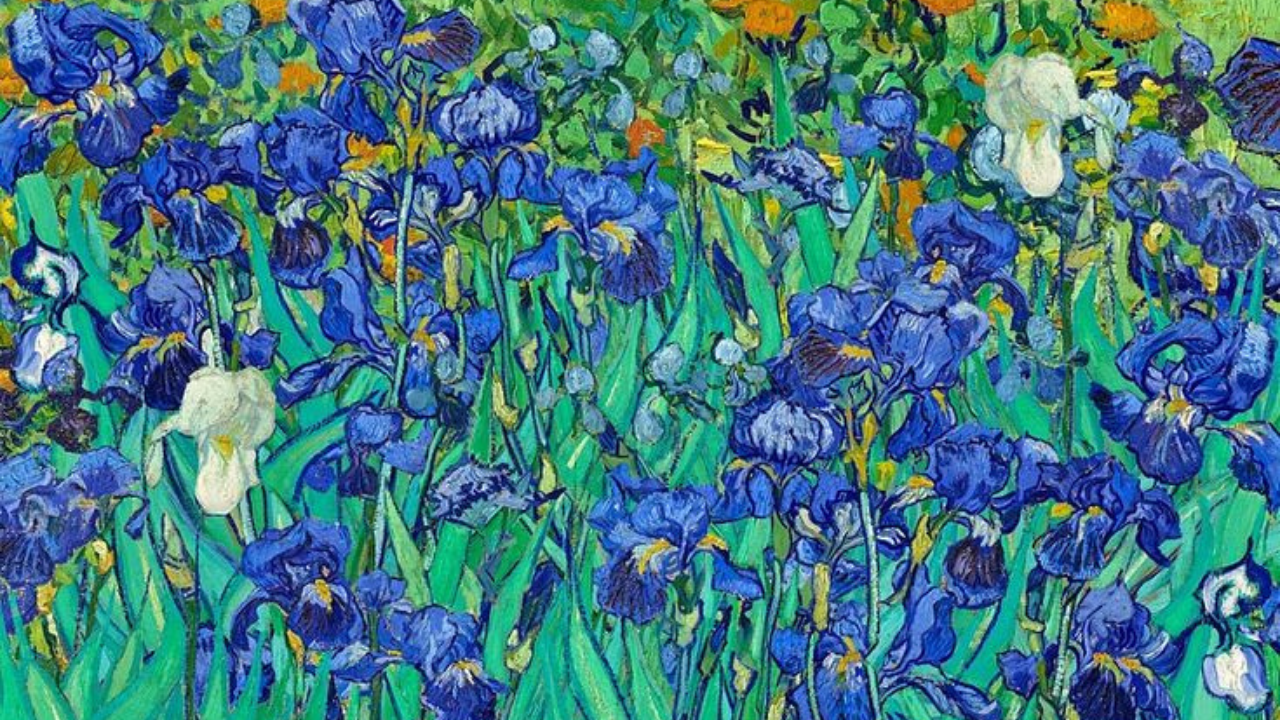
Irises
© Pinterest/ Katie DeHart

Irises

A vibrant study of flowers, this work demonstrates the ability to transform simple subjects into dynamic compositions.

  • Year / Time Period – 1889.

  • Origin / Location – Saint-Rémy-de-Provence; now at the J. Paul Getty Museum.

  • Historical Context – Painted during a stay at the asylum, reflecting a search for calm.

  • Significance / Impact – Influenced decorative and modern floral art styles.

  • Interesting Fact – Each iris appears unique, almost like individual portraits.

6
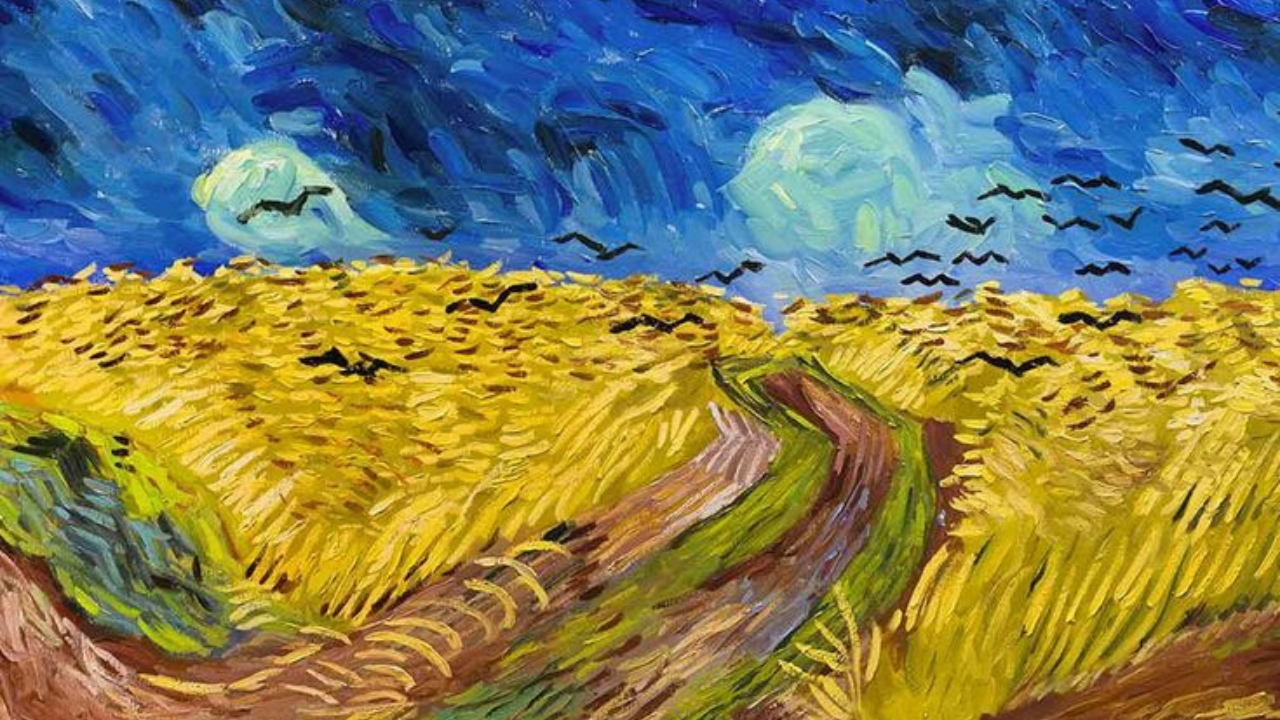
Wheatfield with Crows
© Pinterest/ Drexmy!

Wheatfield with Crows

This haunting landscape is often interpreted as a reflection of a troubled state of mind, filled with tension and uncertainty.

  • Year / Time Period – 1890.

  • Origin / Location – Auvers-sur-Oise, France; housed at the Van Gogh Museum.

  • Historical Context – Painted shortly before his death, during a period of intense emotional struggle.

  • Significance / Impact – Seen as a precursor to modern emotional and symbolic landscapes.

Interesting Fact – The chaotic sky and dark crows add to its dramatic, almost cinematic effect.  

7
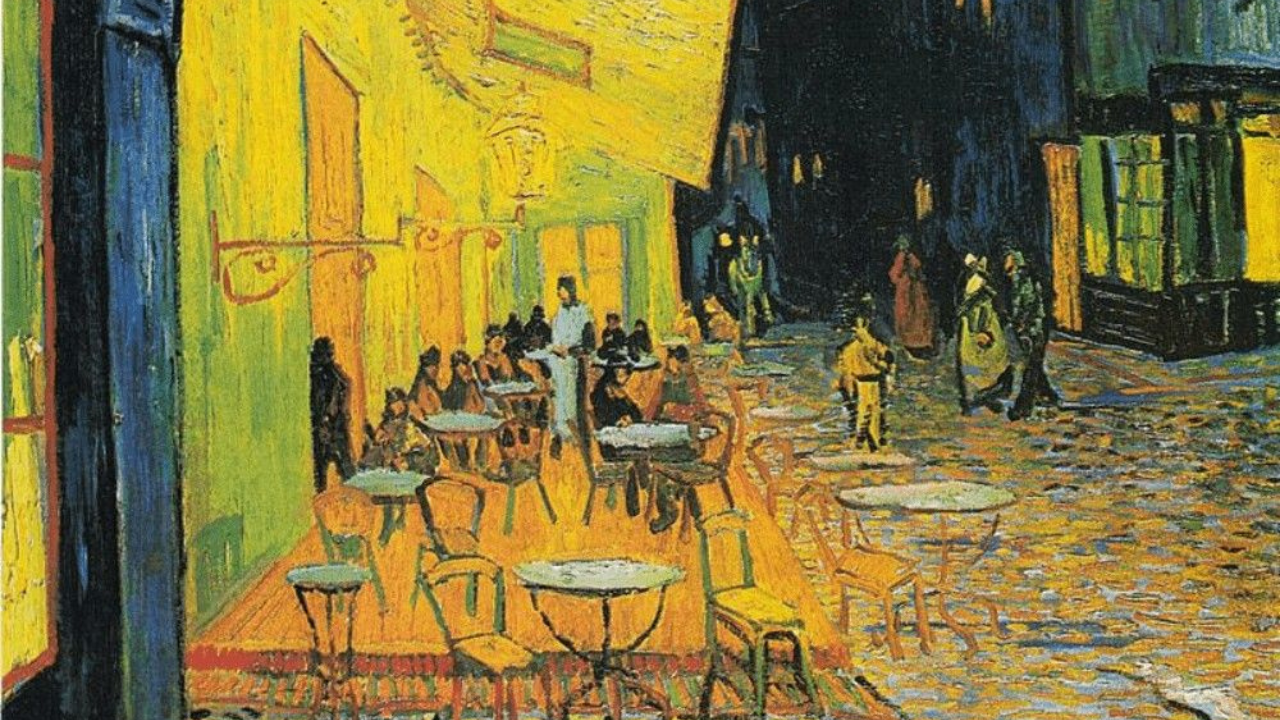
Café Terrace at Night
© Pinterest/ Elena Cristea

Café Terrace at Night

A glowing nighttime café scene that captures light and color in a completely new and expressive way.

  • Year / Time Period – 1888.

  • Origin / Location – Arles, France; located at the Kröller-Müller Museum.

  • Historical Context – Painted during an exploration of night scenes without relying on black paint.

  • Significance / Impact – Influenced how artists depict artificial light and nighttime environments.

  • Interesting Fact – The artist once wrote that night scenes could be even more colorful than daytime ones.

8
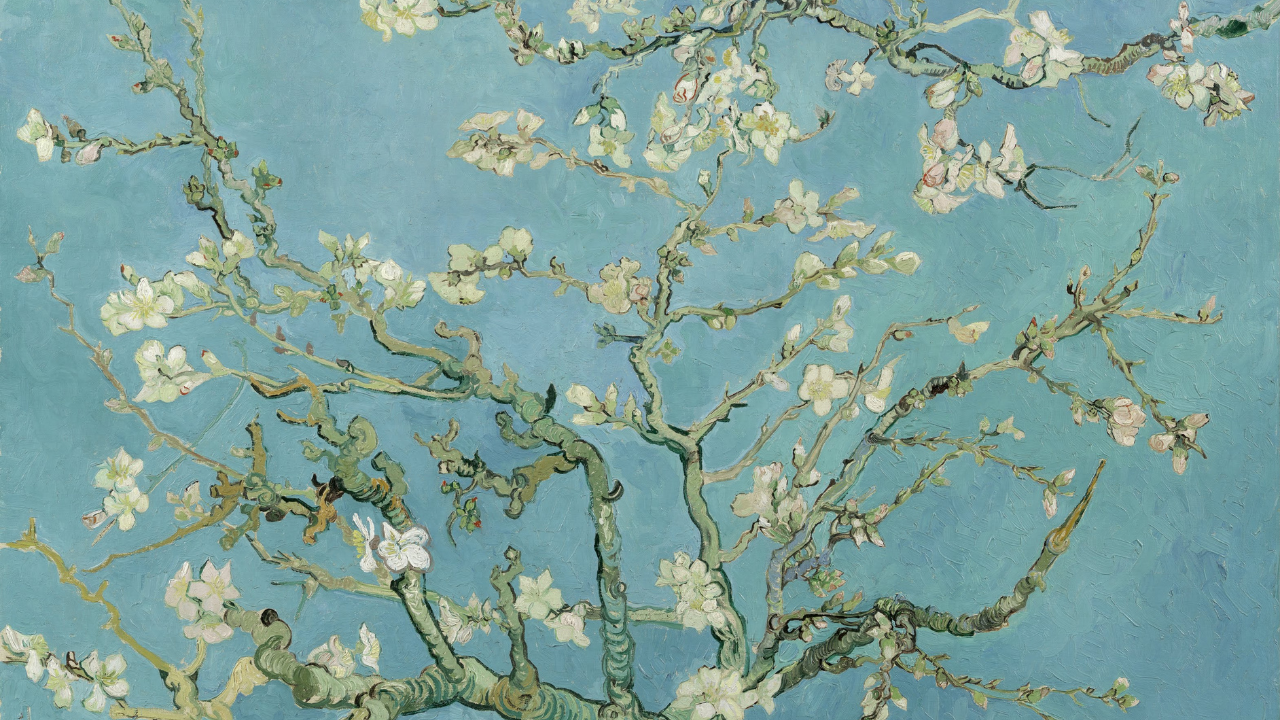
 Almond Blossoms
© Wikipedia

Almond Blossoms

Soft and delicate, this painting celebrates new life and hope, offering a contrast to more intense works.

  • Year / Time Period – 1890.

  • Origin / Location – Saint-Rémy; displayed at the Van Gogh Museum.

  • Historical Context – Created to celebrate the birth of his nephew, symbolizing renewal.

  • Significance / Impact – Showcases influence from Japanese art and a softer emotional tone.

  • Interesting Fact – The composition was inspired by Japanese woodblock prints.

9
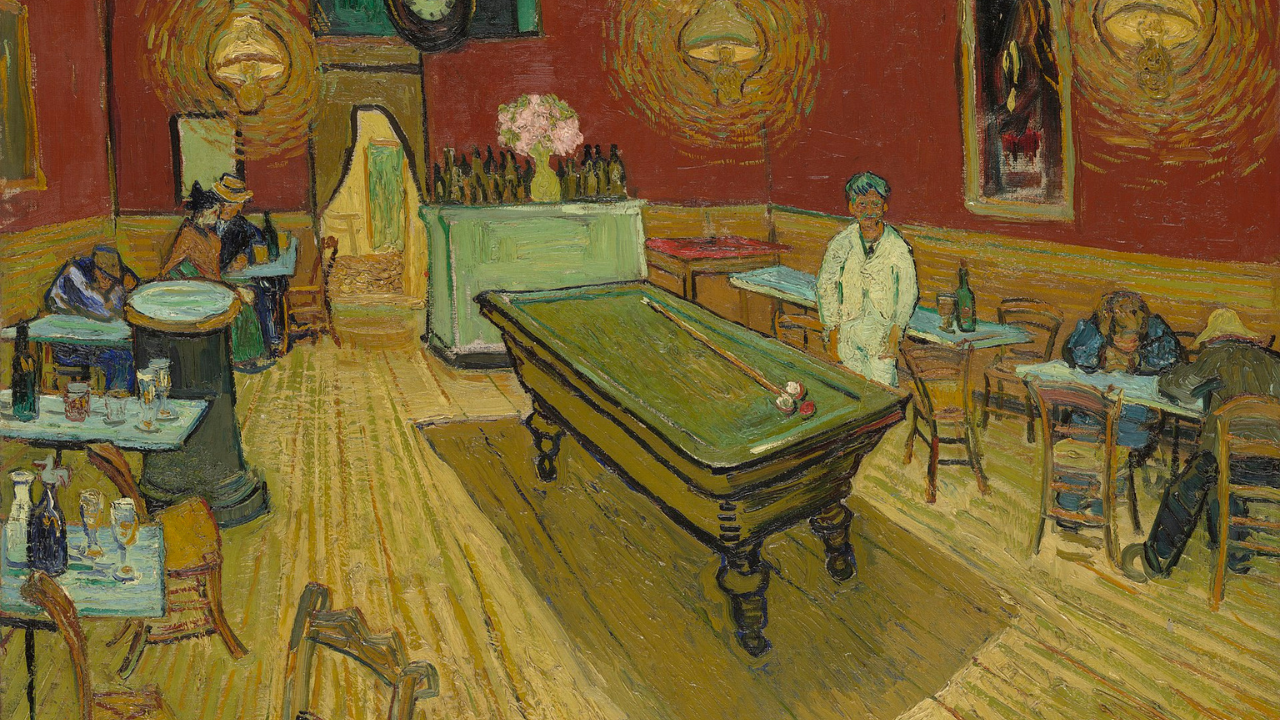
The Night Café
© Wikipedia / Yale University Art Gallery

The Night Café

This striking interior scene employs contrasting colors to evoke feelings of unease and psychological tension. The use of clashing hues effectively highlights the emotional intensity of the space, creating a visually stimulating and thought-provoking atmosphere.

  • Year / Time Period – 1888.

  • Origin / Location – Arles, France; housed at the Yale University Art Gallery.

  • Historical Context – Painted during a time of emotional instability and isolation.

  • Significance / Impact – Demonstrates how color can be used to convey mood rather than realism.

  • Interesting Fact – Described by the artist as one of his ugliest but most truthful works.

10
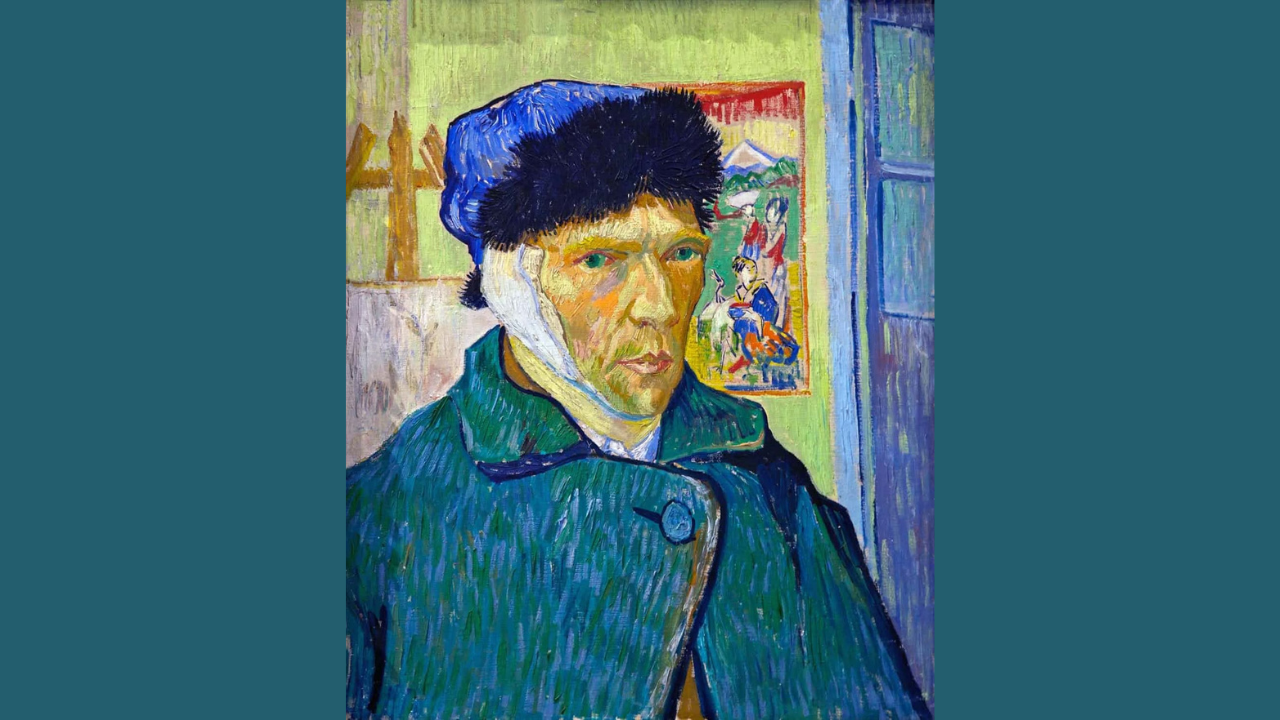
Self-Portrait with Bandaged Ear
© Pinterest / The Guardian

Self-Portrait with Bandaged Ear

This striking self-portrait reveals vulnerability and resilience through bold colors and intense gaze.

  • Year / Time Period – 1889.

  • Origin / Location – Painted in Arles; located at the Courtauld Gallery.

  • Historical Context – Created after the infamous incident involving his ear.

  • Significance / Impact – Offers a raw and honest look into the artist’s mental and emotional state.

  • Interesting Fact – Multiple versions of self-portraits were painted during this period of recovery.

11
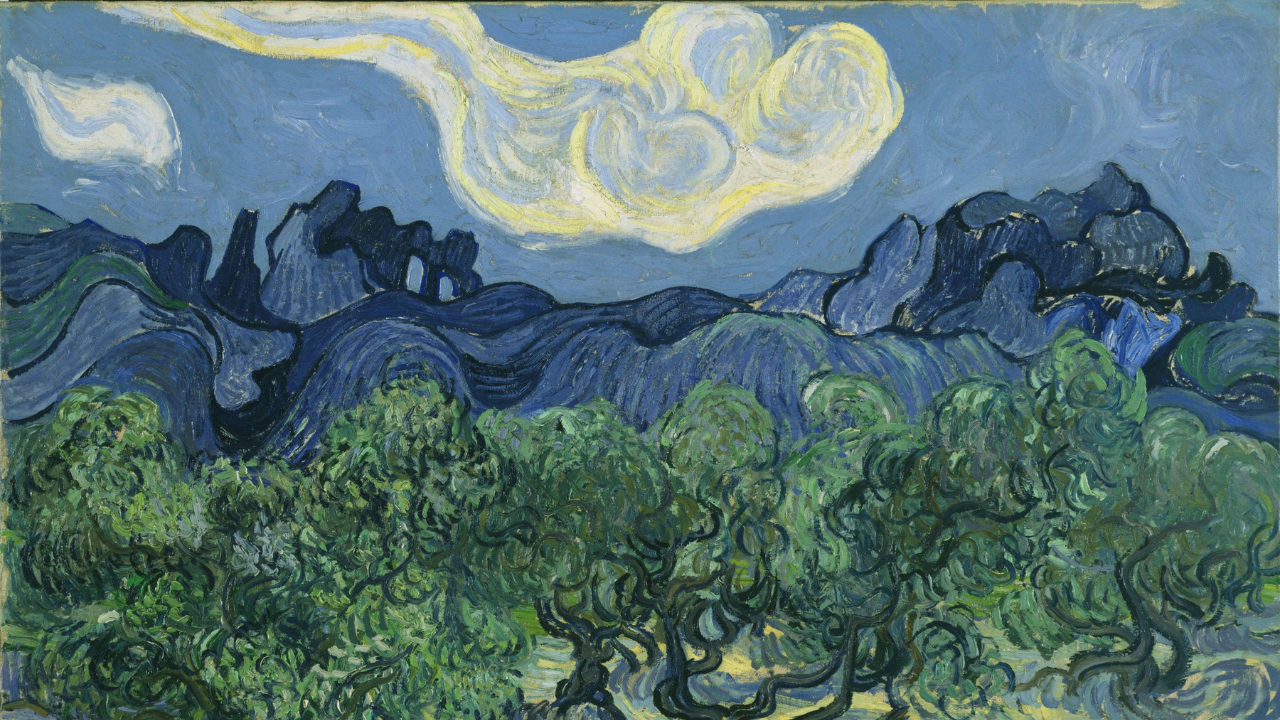
Olive Trees
© Wikipedia

Olive Trees

These paintings capture the movement and energy of nature with expressive brushstrokes and vibrant colors.

  • Year / Time Period – 1889.

  • Origin / Location – Saint-Rémy-de-Provence; various versions exist in museums worldwide.

  • Historical Context – Painted while seeking spiritual meaning through nature.

  • Significance / Impact – Helped redefine landscape painting as an emotional experience.

  • Interesting Fact – The twisting forms of the trees mirror the artist’s distinctive brushwork style.


Comments (0)

Leave a Reply

No comments yet. Be the first to share your thoughts!