Art and Culture Art Insights and Stories

The Untold Secrets of the Mona Lisa That Still Baffle the World

Amelia Brooks
3.6
April 07, 2026

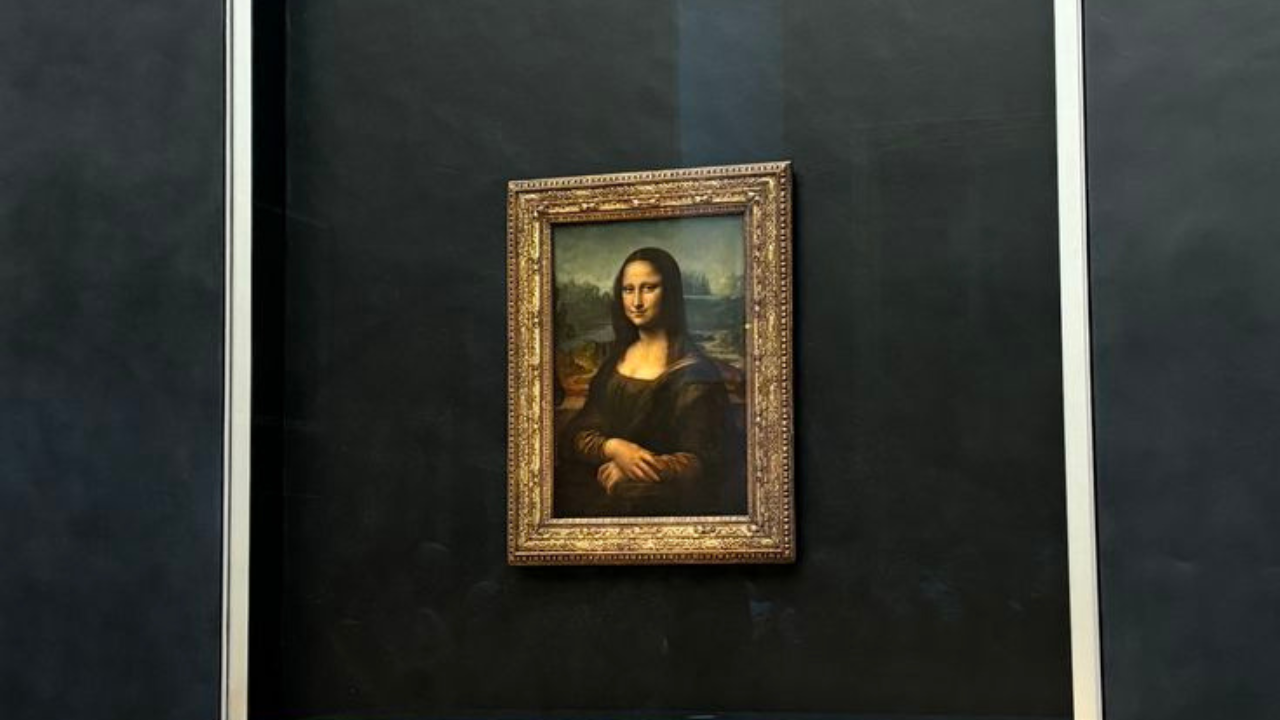
The Mona Lisa stands as one of the most studied, admired, and debated works of art in human history. Painted over five centuries ago by Leonardo da Vinci, this seemingly simple portrait continues to inspire endless fascination. Despite advancements in technology and decades of scholarly research, the painting still resists definitive answers. Its power lies not just in its beauty, but in its ability to provoke questions that remain unresolved.

More than just a masterpiece, the Mona Lisa is a living mystery. Its quiet presence hides layers of complexity technical brilliance, emotional depth, and symbolic ambiguity. Every viewer brings a new interpretation, and every generation uncovers fresh theories. Yet, the painting never fully gives itself away, making it one of the most enduring enigmas in the art world.
1
A Timeless Puzzle That Refuses to Be Solved
© shuttterstock / Gorodenkoff

A Timeless Puzzle That Refuses to Be Solved

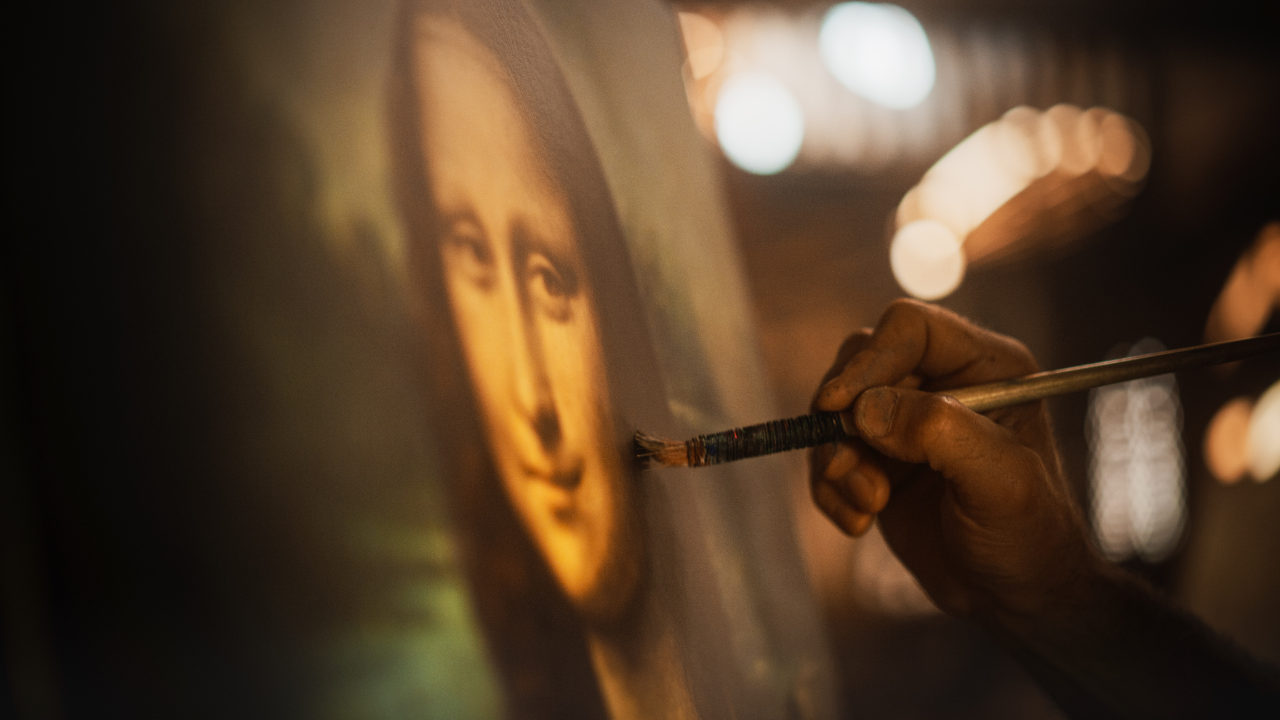
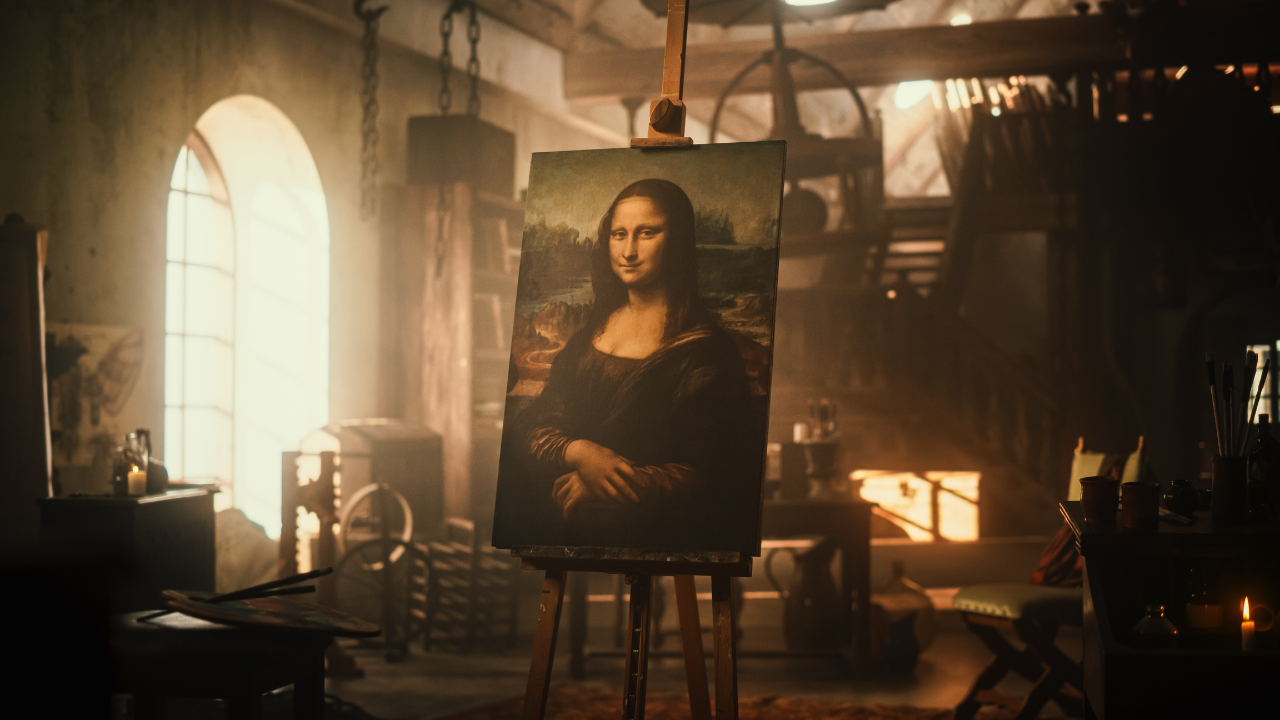
The Mona Lisa is not a mystery because of one single unanswered question, it is a mystery because of many. From the identity of the sitter to the techniques used in its creation, every aspect invites investigation. Scholars have used infrared scans, historical documents, and artistic comparisons, yet the painting continues to hold back its secrets. It exists in a space between art and illusion, fact and speculation, reality and imagination.

2
The True Identity of the Woman
© Pinterest / Kristina Tridico

The True Identity of the Woman

For centuries, historians have debated who the woman in the Mona Lisa truly is. While a widely accepted theory exists, it is far from universally agreed upon. The mystery deepens because there are no surviving records that definitively confirm her identity.

The most popular belief is that she is Lisa Gherardini, the wife of a wealthy Florentine merchant. However, alternative theories suggest she could be a noblewoman, an idealized figure, or even a composite of multiple faces. Some interpretations go further, proposing that the portrait reflects philosophical or symbolic ideas rather than a real individual. This uncertainty transforms the painting from a simple portrait into a timeless question.

  • Creator / Artist – Leonardo da Vinci, whose deep curiosity about human nature often influenced his portraits.

  • Year / Time Period – Around 1503–1506, during the High Renaissance, though some believe he worked on it for much longer.

  • Origin / Location – Created in Florence, Italy; now housed in the Louvre Museum.

  • Historical Context – Portraits during this period were often commissioned to celebrate wealth and status, yet this one feels unusually intimate and introspective.

  • Significance / Impact – The uncertainty of her identity has fueled centuries of speculation, making the painting endlessly intriguing.

  • Interesting Fact – Some researchers believe the lack of jewelry and status symbols suggests the subject was meant to represent an ideal rather than a specific person.

3
The Enigmatic Smile That Changes
© Shutterstock /Gorodenkoff

The Enigmatic Smile That Changes

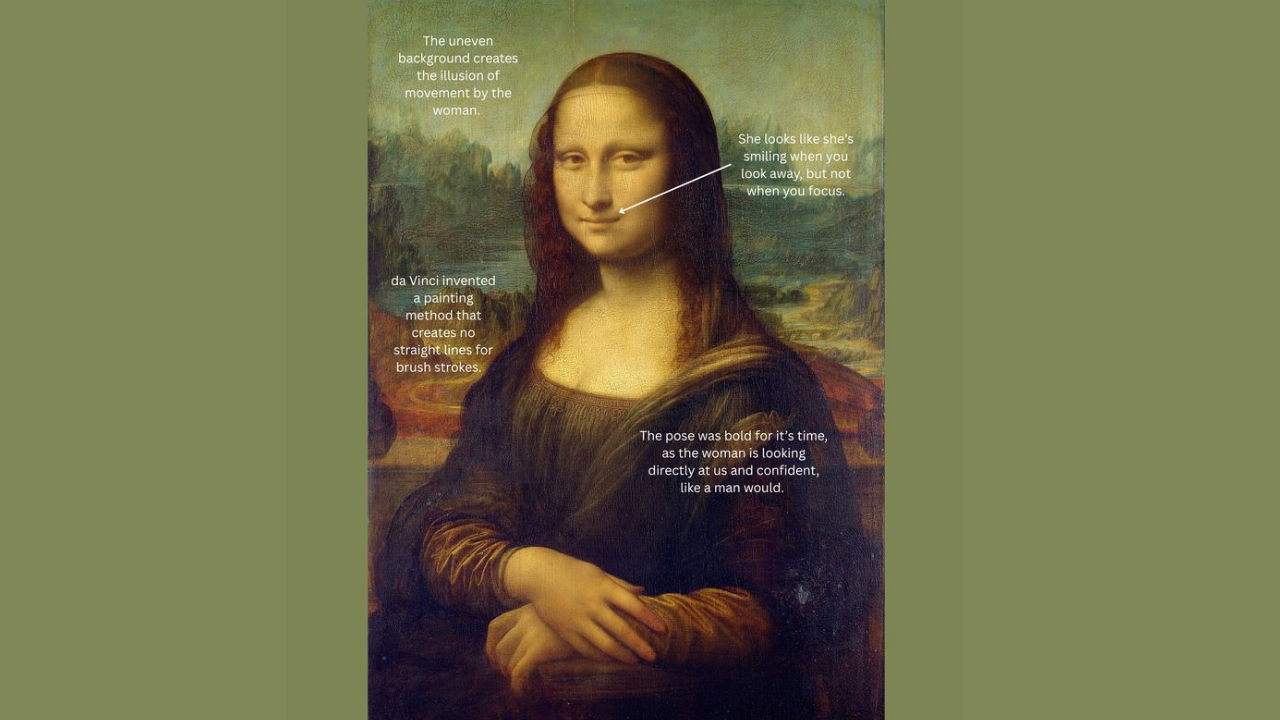
The Mona Lisa’s smile is perhaps the most famous and puzzling feature in art history. It appears to subtly change depending on the viewer’s perspective, lighting, and focus.

This effect is not accidental, it reflects Da Vinci’s mastery of visual perception. By blending tones and softening edges, he created an expression that seems alive. When you look directly at her mouth, the smile appears faint; when you shift your gaze, it becomes more pronounced. This shifting illusion gives the painting an almost supernatural quality, as though the subject is aware of being observed.

  • Creator / Artist – Leonardo da Vinci, a pioneer in combining science with art.

  • Year / Time Period – Early 16th century, during his mature artistic period.

  • Origin / Location – Painted in Italy; currently displayed in the Louvre Museum.

  • Historical Context – Renaissance artists were exploring realism and human emotion like never before.

  • Significance / Impact – The smile has become a universal symbol of mystery and emotional ambiguity.

  • Interesting Fact – The effect is achieved through sfumato, a technique where colors blend seamlessly without harsh lines.

4
Hidden Layers Beneath the Surface
© Pinterest / The Virtual Museum

Hidden Layers Beneath the Surface

Modern imaging technology has revealed that the Mona Lisa is not a single, static creation but a layered work built over time.

Infrared scans and X-rays show multiple underdrawings and revisions, indicating that Da Vinci continually altered the painting. These changes suggest he may have experimented with different compositions, poses, or expressions before arriving at the final image. Rather than being a straightforward portrait, the Mona Lisa is the result of an evolving artistic process.

  • Creator / Artist – Leonardo da Vinci.

  • Year / Time Period – Begun in the early 1500s and refined over several years.

  • Origin / Location – Florence; now preserved in the Louvre.

  • Historical Context – Artists often sketched preliminary versions, but Da Vinci’s level of revision was unusually extensive.

  • Significance / Impact – Highlights the painting as a dynamic work rather than a fixed image.

  • Interesting Fact – Some scans suggest the subject may have originally been positioned differently.

5
The Mysterious Landscape Behind Her
© Pinterest / The Guardian

The Mysterious Landscape Behind Her

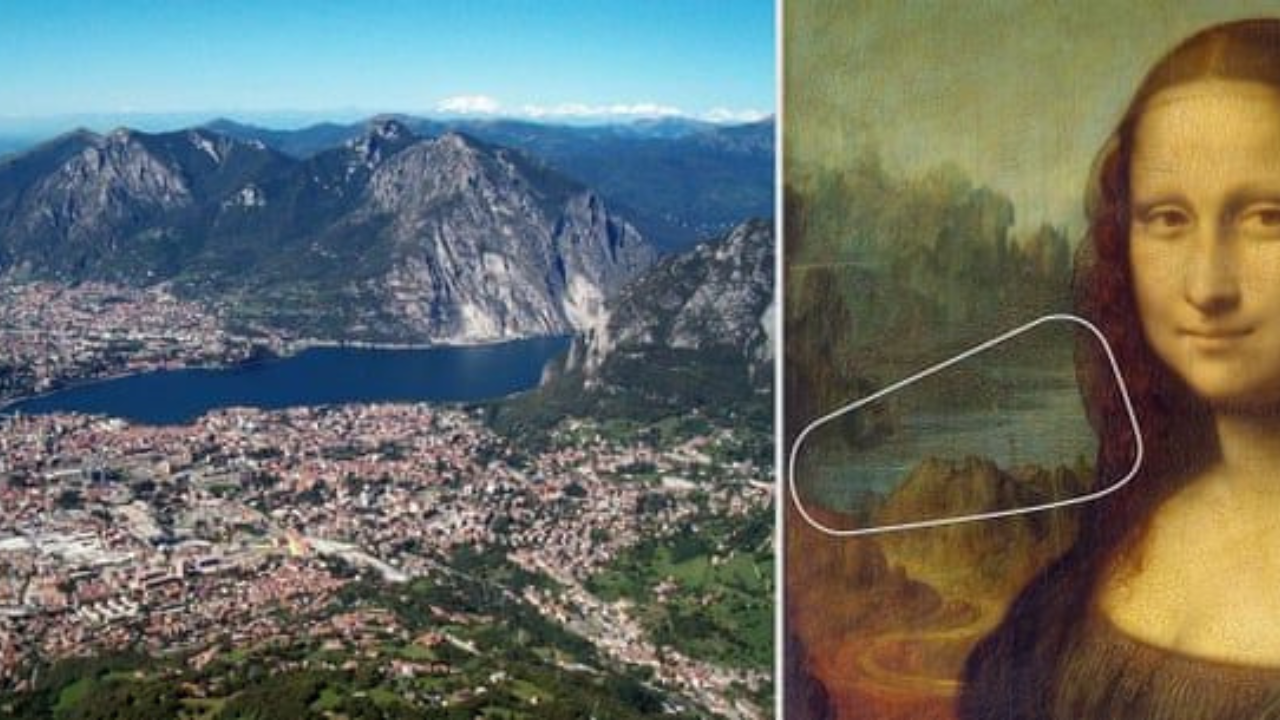
The background of the Mona Lisa is as puzzling as the subject herself. It features winding roads, distant mountains, and rivers that do not correspond to any known location.

The landscape appears almost dreamlike, blending realism with imagination. Interestingly, the horizon lines on either side of the painting are uneven, which subtly affects how the viewer perceives the subject’s posture and expression. This deliberate imbalance adds to the painting’s sense of movement and mystery.

  • Creator / Artist – Leonardo da Vinci.

  • Year / Time Period – Renaissance era.

  • Origin / Location – Painted in Italy; now in Paris.

  • Historical Context – Landscapes were often symbolic, representing harmony between humanity and nature.

  • Significance / Impact – Enhances the painting’s depth and emotional atmosphere.

  • Interesting Fact – Some experts believe the landscape reflects Da Vinci’s studies of geology and erosion.

6
The Case of the Missing Eyebrows
© Pixabay / WikiImages

The Case of the Missing Eyebrows

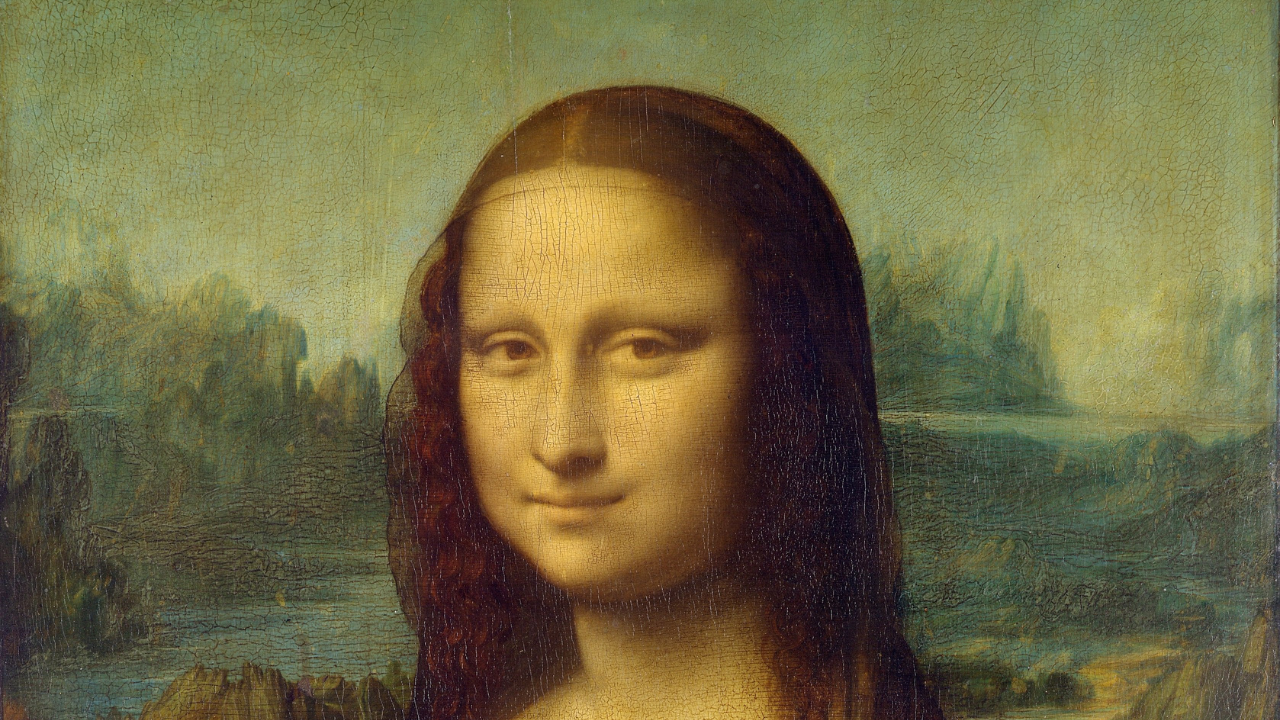
One of the most curious details is the apparent absence of eyebrows and eyelashes. This has puzzled viewers for centuries.

Some historians suggest they faded over time due to cleaning and restoration. Others argue that Da Vinci intentionally omitted them, possibly reflecting beauty standards of the time or enhancing the subject’s enigmatic appearance. Either way, their absence contributes to the painting’s slightly unreal quality.

  • Creator / Artist – Leonardo da Vinci.

  • Year / Time Period – Early 16th century.

  • Origin / Location – Italy; now in the Louvre.

  • Historical Context – Fashion trends sometimes involved removing facial hair.

  • Significance / Impact – Adds to the portrait’s distinctive and mysterious look.

  • Interesting Fact – High-resolution scans have revealed faint traces that may indicate they once existed.

7
A Possible Hidden Self-Portrait
© Pinterest / Racheal's Collection

A Possible Hidden Self-Portrait

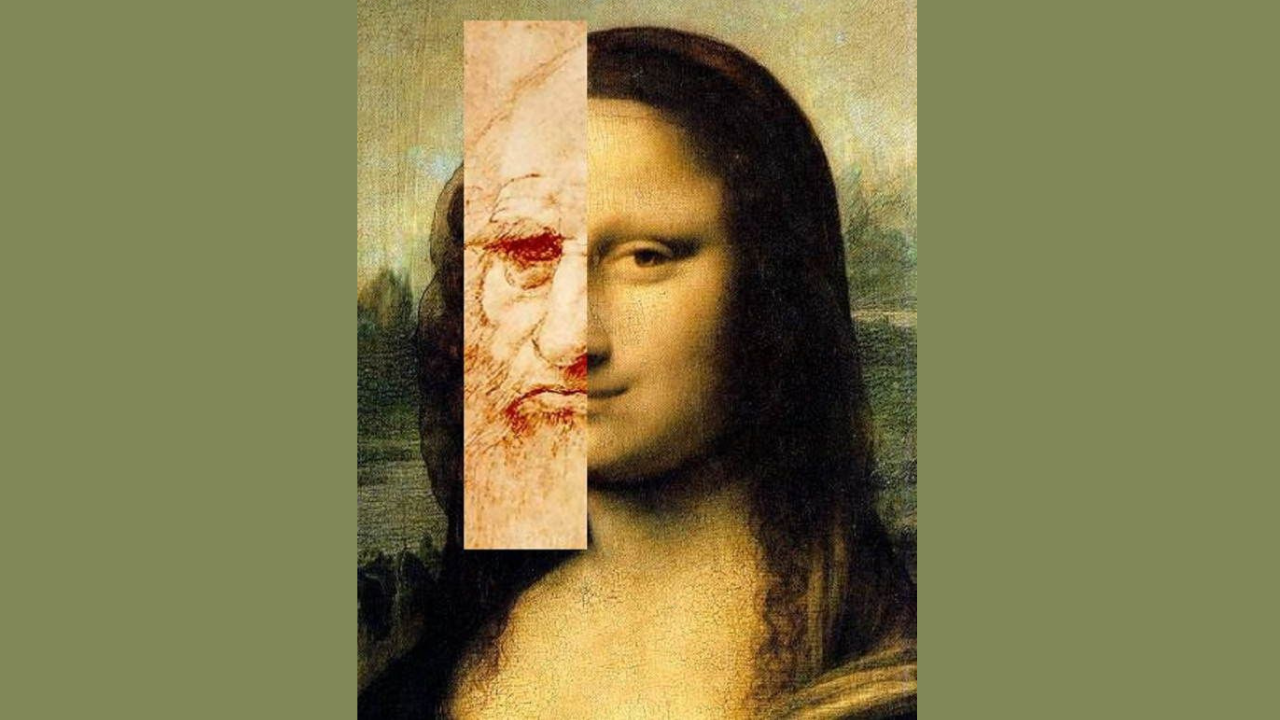
Some theories propose that the Mona Lisa may subtly reflect Da Vinci himself. By comparing the painting with his known self-portraits, researchers have noted similarities in facial structure.

If true, this would suggest the painting is not just a portrait but a deeper exploration of identity. It may represent a blending of masculine and feminine traits, or an artistic experiment in self-representation.

  • Creator / Artist – Leonardo da Vinci.

  • Year / Time Period – Renaissance.

  • Origin / Location – Florence; now in Paris.

  • Historical Context – Artists often explored symbolism and philosophical ideas.

  • Significance / Impact – Challenges traditional ideas of portraiture.

  • Interesting Fact – Digital overlays have shown intriguing similarities between Da Vinci’s face and the Mona Lisa.

8
 Hidden Codes and Secret Symbols
© Pinterest / 5-Minute Crafts Family

Hidden Codes and Secret Symbols

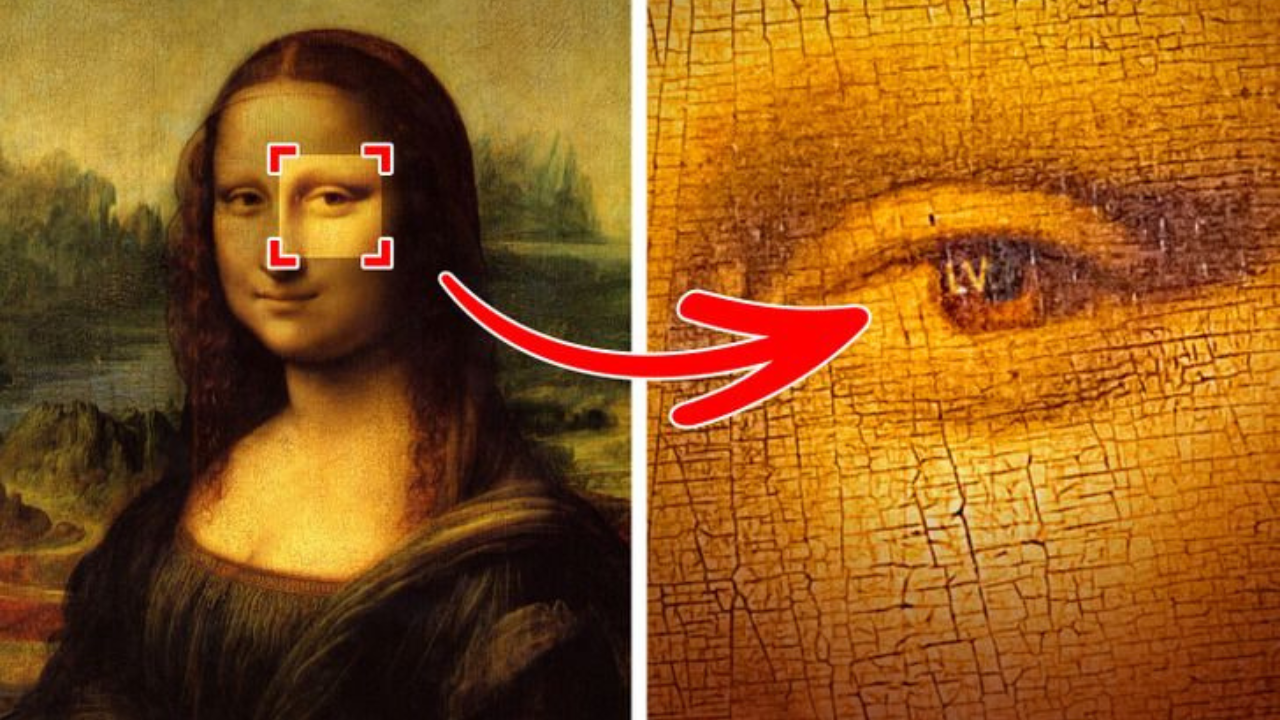
Some researchers claim the Mona Lisa contains hidden letters, numbers, or symbols embedded within its details.

These markings are said to appear in the eyes or background, though interpretations vary widely. While some believe they are intentional clues left by Da Vinci, others argue they are simply natural cracks or patterns formed over time.

  • Creator / Artist – Leonardo da Vinci.

  • Year / Time Period – Early 1500s.

  • Origin / Location – Italy; now France.

  • Historical Context – Da Vinci had a known fascination with puzzles and hidden meanings.

  • Significance / Impact – Adds a layer of intrigue and speculation.

  • Interesting Fact – Some interpretations claim the letters correspond to Da Vinci’s initials.

9
 The Unfinished Masterpiece
© Pinterest / ArtesAna

The Unfinished Masterpiece

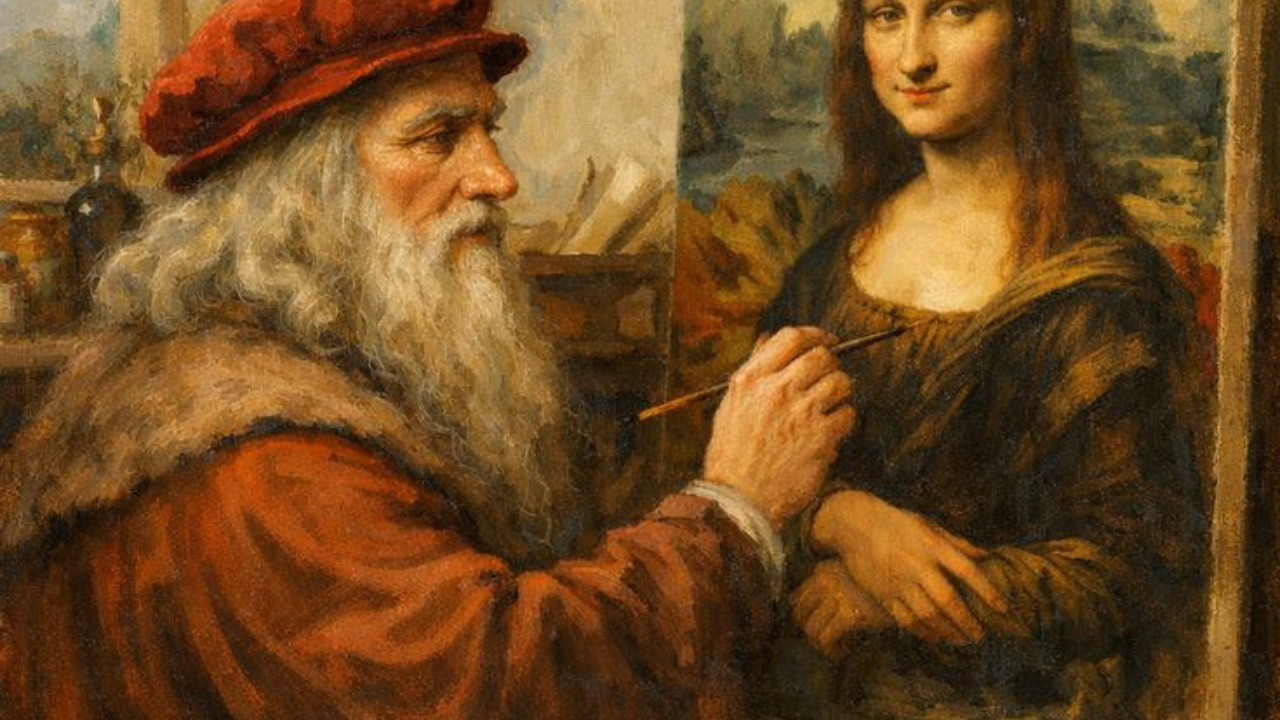
It is widely believed that Da Vinci never fully completed the Mona Lisa. He continued to refine it for years and carried it with him throughout his life.

This ongoing process may explain the painting’s subtle complexity and layered effects. It also suggests that the Mona Lisa was more than a commission,it was a personal project.

  • Creator / Artist – Leonardo da Vinci.

  • Year / Time Period – Worked on over many years.

  • Origin / Location – Begun in Florence; later taken to France.

  • Historical Context – Da Vinci was known for leaving works unfinished.

  • Significance / Impact – Adds to the sense of timelessness and mystery.

  • Interesting Fact – He kept the painting until his death in 1519.

10
The Theft That Made It Legendary
© Pinterest / Poets & Writers

The Theft That Made It Legendary

The Mona Lisa became a global sensation after the The Mona Lisa theft of 1911.

When the painting was stolen from the Louvre, it sparked international headlines and public fascination. Its recovery only increased its fame, transforming it into a cultural icon.

  • Creator / Artist – Leonardo da Vinci.

  • Year / Time Period – Stolen in 1911, recovered in 1913.

  • Origin / Location – Louvre Museum, Paris.

  • Historical Context – The early 20th century saw growing global interest in art and museums.

  • Significance / Impact – Elevated the painting to worldwide fame.

  • Interesting Fact – The thief kept it hidden in his apartment for two years.

11
A Mystery That Endures Across Time
© Pinterest / wanderwithchar

A Mystery That Endures Across Time

Even today, the Mona Lisa continues to inspire new research, theories, and interpretations. Despite all efforts, its secrets remain elusive.

Its power lies in its ambiguity, every answer seems to lead to more questions. This endless cycle of curiosity ensures that the Mona Lisa will never lose its allure.

  • Creator / Artist – Leonardo da Vinci.

  • Year / Time Period – Over 500 years old.

  • Origin / Location – Italy; now France.

  • Historical Context – A product of the Renaissance, yet timeless in its appeal.

  • Significance / Impact – Considered the most famous painting in the world.

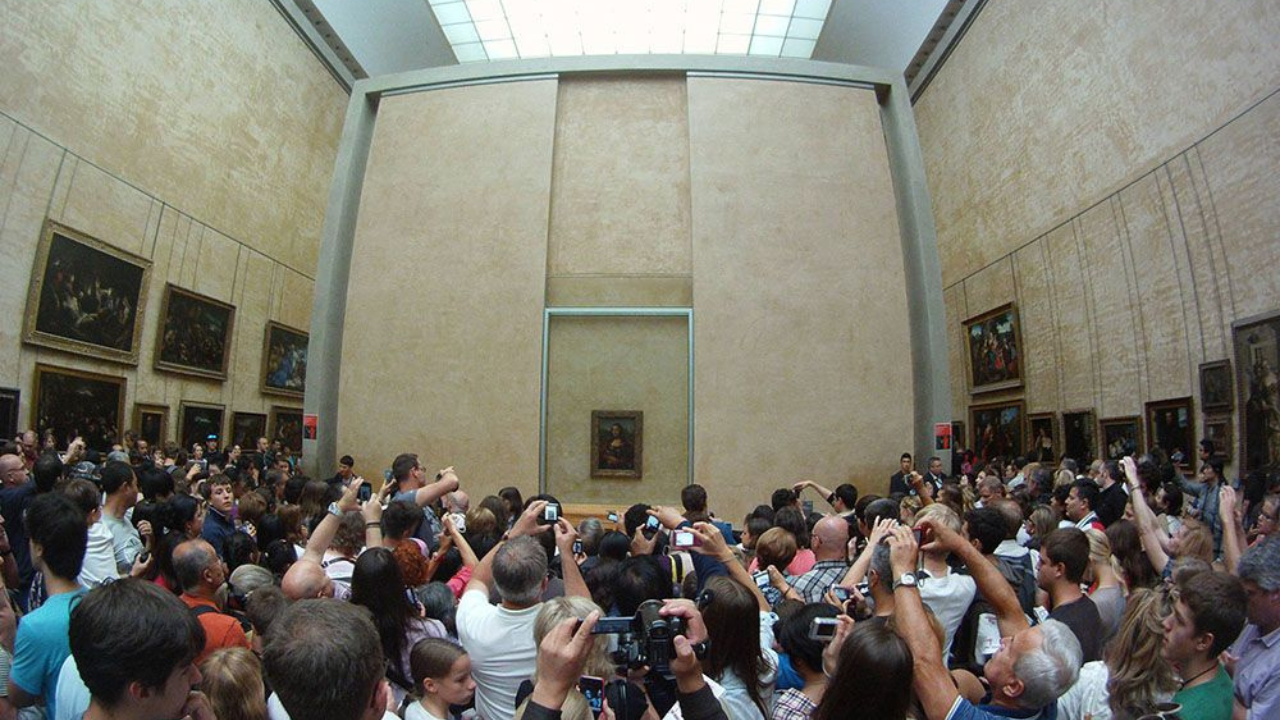
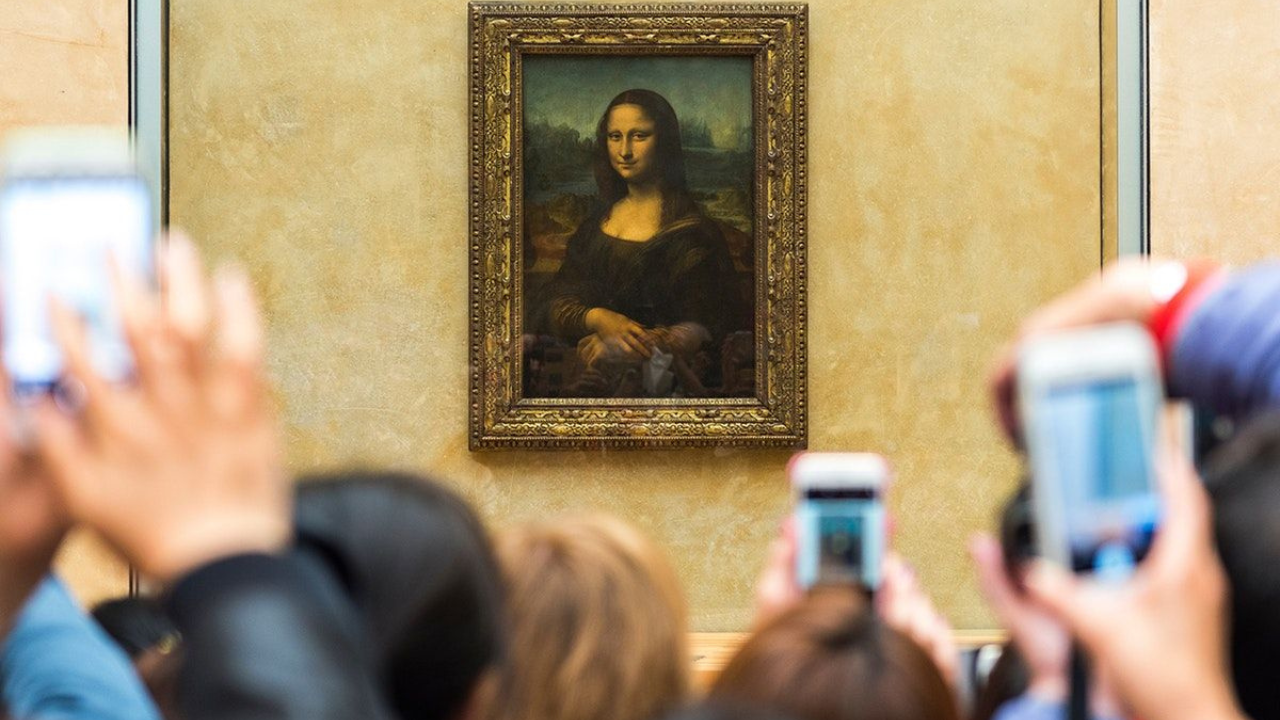
  • Interesting Fact – Millions of visitors travel each year to see it behind protective glass. 


Comments (0)

Leave a Reply

No comments yet. Be the first to share your thoughts!