Art and Culture Art Insights and Stories

Timeless Romantic Paintings That Still Capture Our Imagination

Oliver Grant
3.8
April 07, 2026

Romantic art is more than just beautiful imagery, it is a powerful expression of emotion, imagination, and individuality. Emerging in the late 18th and early 19th centuries, the Romantic movement reacted against rigid academic traditions and the logic-driven Enlightenment era. Instead, it embraced passion, nature, drama, and the sublime. Today, these masterpieces continue to resonate with viewers because they speak directly to the human experience, our fears, dreams, and longing for freedom.
1
The Spirit of Romanticism in Art
© Pinterest / Eharris Gallery | Art | Craft | Sew | Paint

The Spirit of Romanticism in Art

Romantic artists broke away from convention to explore deeper emotional and philosophical themes. Their works often depict dramatic landscapes, intense human emotions, and heroic or tragic subjects. This artistic revolution gave rise to some of the most iconic paintings in history works that still captivate audiences with their energy, symbolism, and storytelling power.

2
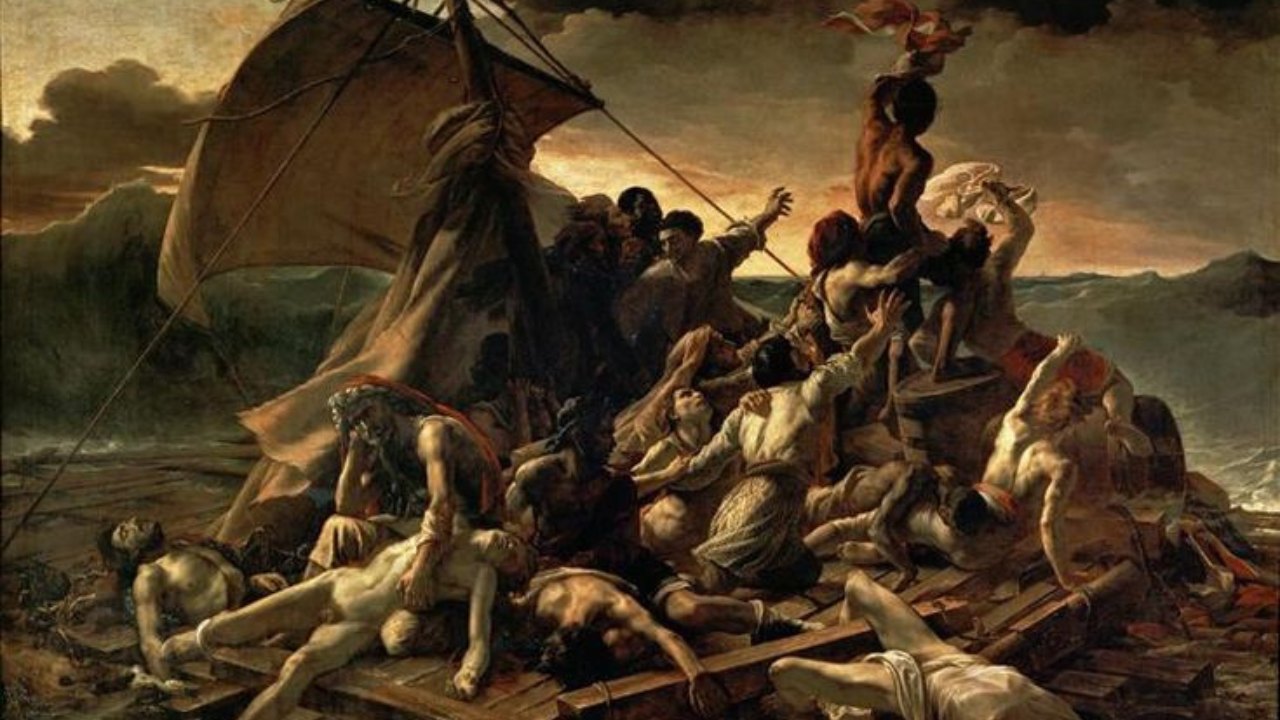
The Raft of the Medusa
© Pinterest / Emily Ratvasky

The Raft of the Medusa

This powerful masterpiece immerses viewers in a scene of survival, despair, and human resilience. It stands as one of the most emotionally charged works of the Romantic era. The painting captures both chaos and hope in a single dramatic composition.

  • Creator / Artist – Théodore Géricault, a French Romantic painter known for dramatic realism and emotional depth.

  • Year / Time Period – 1818–1819.

  • Origin / Location – France; Louvre Museum, Paris.

  • Historical Context – Based on a tragic shipwreck where survivors endured extreme hardship.

  • Significance / Impact – Marked a shift toward modern, emotionally driven art and social commentary.

  • Interesting Fact – Géricault studied corpses to achieve anatomical accuracy.

3
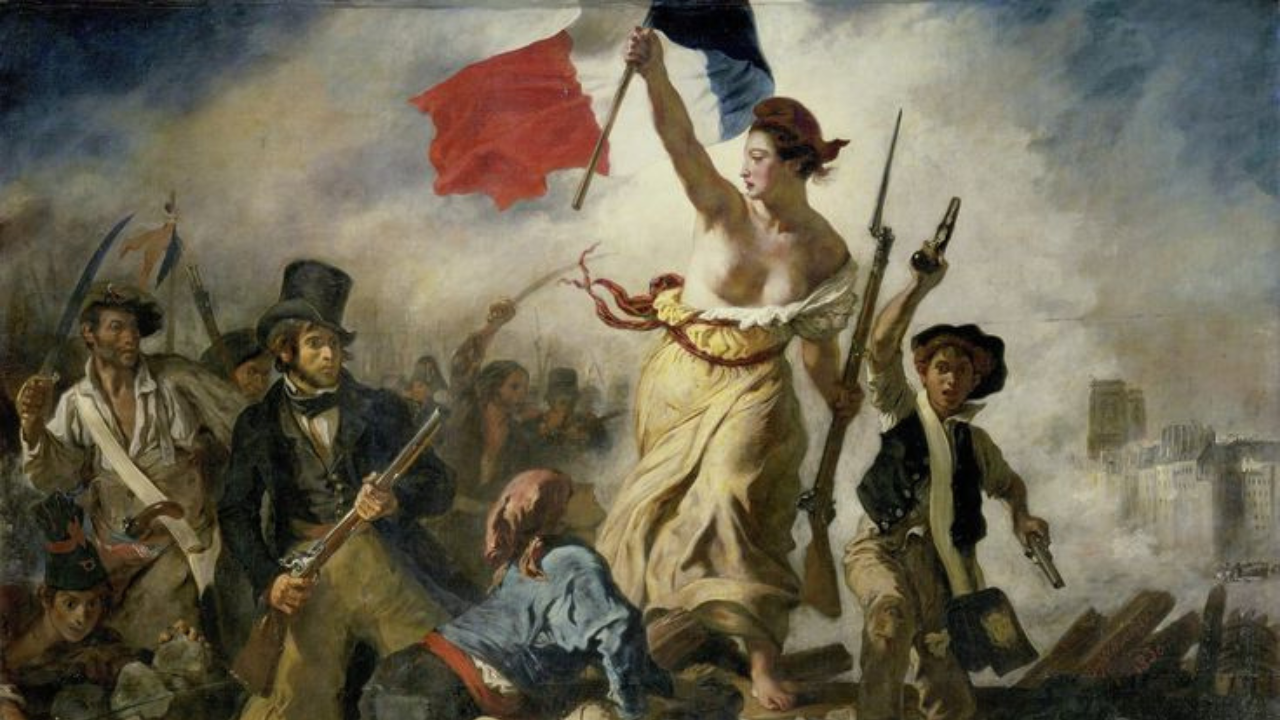
Liberty Leading the People
© Pinterest / Lavie Fu

Liberty Leading the People

A bold and dynamic portrayal of revolution, this painting embodies freedom and collective struggle. Its energy and symbolism make it one of the most iconic images in art history. The scene feels alive with movement and urgency.

  • Creator / Artist – Eugène Delacroix, a leading Romantic painter known for expressive color and motion.

  • Year / Time Period – 1830.

  • Origin / Location – France; Louvre Museum.

  • Historical Context – Inspired by the July Revolution in France.

  • Significance / Impact – Became a global symbol of liberty and resistance.

  • Interesting Fact – The figure of Liberty blends realism and allegory.

4
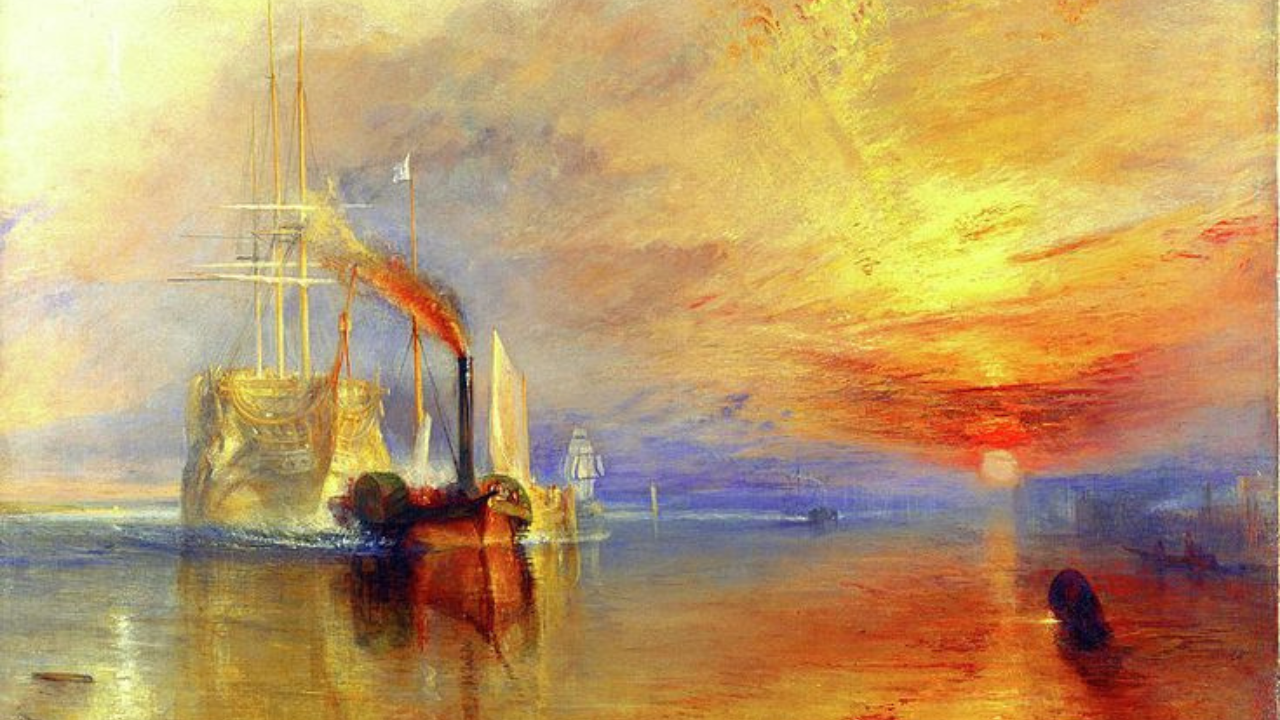
The Fighting Temeraire
© Pinterest / The Patreon Media

The Fighting Temeraire

This evocative work reflects nostalgia and the passage of time. It contrasts a grand past with an uncertain future. The painting’s atmosphere is both peaceful and melancholic.

  • Creator / Artist – J.M.W. Turner, known for atmospheric light and emotional landscapes.

  • Year / Time Period – 1839.

  • Origin / Location – UK; National Gallery, London.

  • Historical Context – Depicts a ship from the Napoleonic era being dismantled.

  • Significance / Impact – Symbolizes technological change and loss of tradition.

Interesting Fact – Turner used poetic license rather than exact realism.  

5
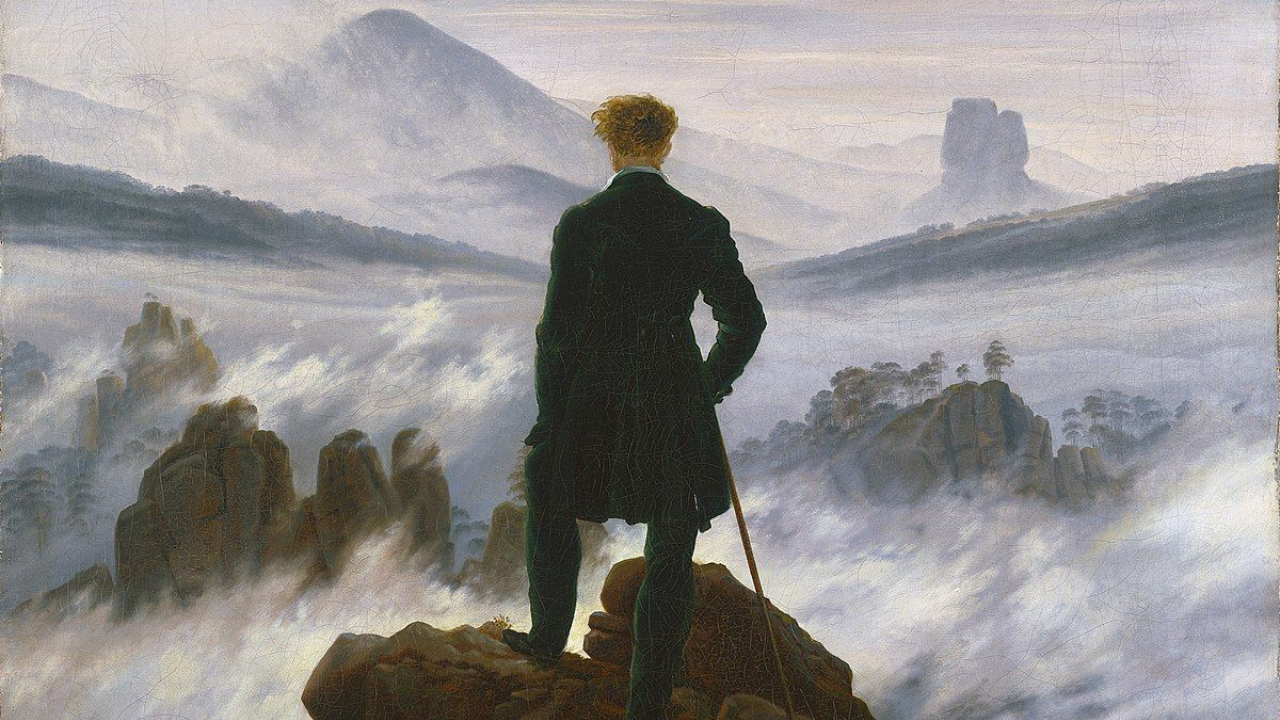
Wanderer Above the Sea of Fog
© Pinterest / Poppy

Wanderer Above the Sea of Fog

This painting captures solitude and introspection in a vast natural setting. The figure stands as a symbol of human contemplation. The mist adds mystery and emotional depth.

  • Creator / Artist – Caspar David Friedrich, a master of symbolic Romantic landscapes.

  • Year / Time Period – 1818.

  • Origin / Location – Germany; Kunsthalle Hamburg.

  • Historical Context – Reflects Romantic interest in nature and the sublime.

  • Significance / Impact – Represents individual reflection and inner journey.

  • Interesting Fact – The figure’s identity is intentionally unknown.  
6
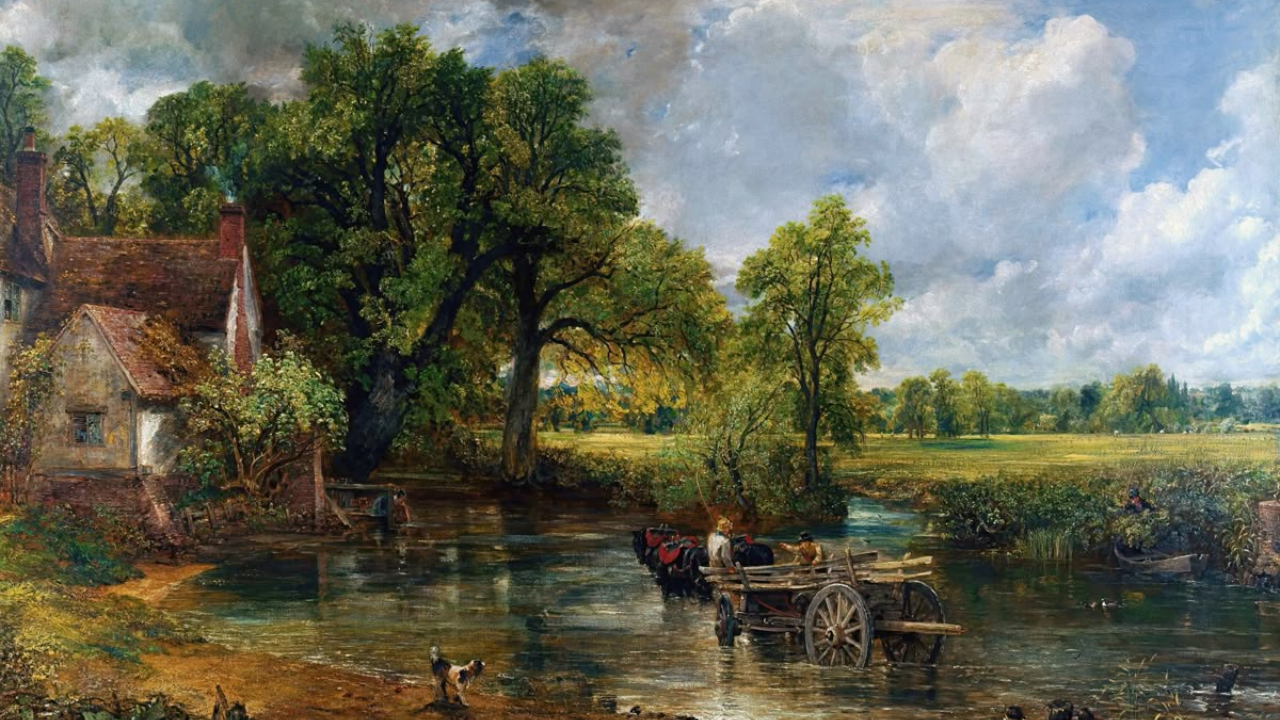
The Hay Wain
© Pinterest / Etsy

The Hay Wain

This serene rural scene celebrates simplicity and harmony with nature. It contrasts the rise of industrialization with pastoral beauty. The calm atmosphere invites quiet reflection.

  • Creator / Artist – John Constable, known for realistic English landscapes.

  • Year / Time Period – 1821.

  • Origin / Location – UK; National Gallery, London.

  • Historical Context – Painted during the Industrial Revolution.

  • Significance / Impact – Elevated landscape painting in European art.

  • Interesting Fact – Was more appreciated in France than in England initially.

7
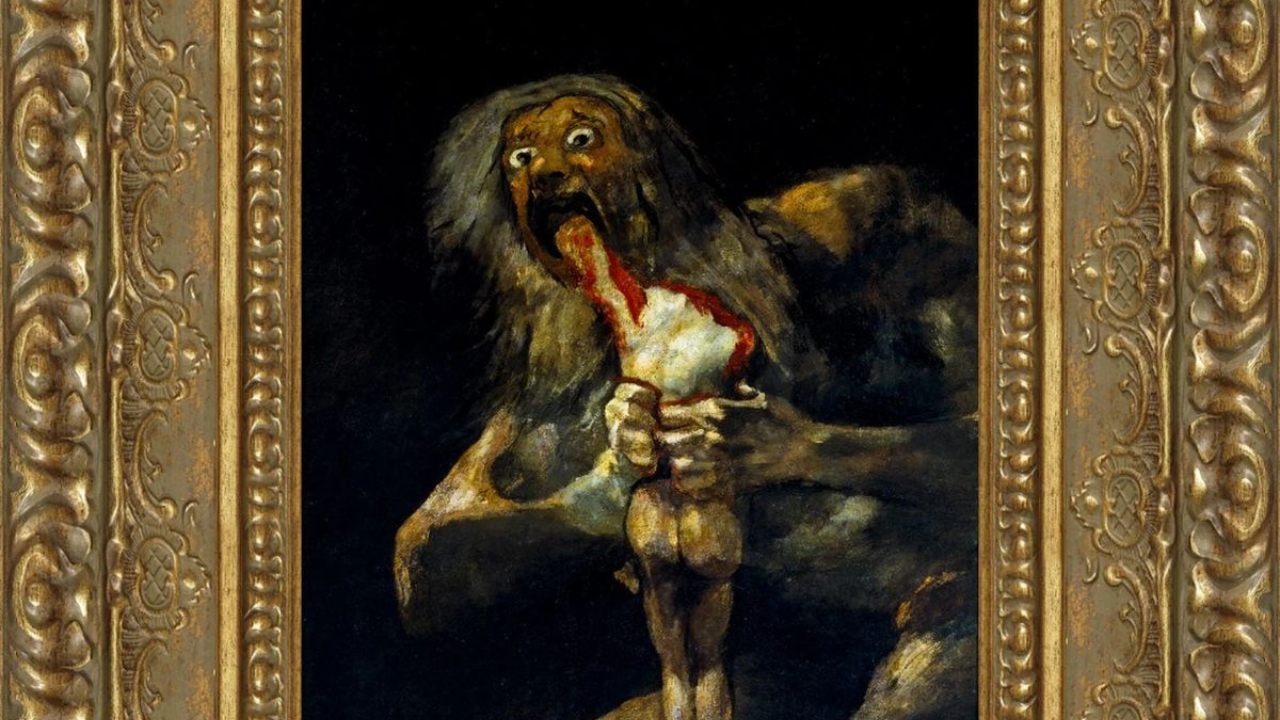
Saturn Devouring His Son
© Pinterest / ashley Johnson

Saturn Devouring His Son

This unsettling work reveals the darker psychological side of Romanticism. It is raw, intense, and deeply symbolic. The painting explores fear, madness, and mythology.

  • Creator / Artist – Francisco Goya, a Spanish painter known for dark and expressive imagery.

  • Year / Time Period – 1819–1823.

  • Origin / Location – Spain; Museo del Prado, Madrid.

  • Historical Context – Reflects Goya’s inner turmoil and disillusionment.

  • Significance / Impact – A powerful example of emotional and psychological art.

  • Interesting Fact – Part of Goya’s private “Black Paintings.”

8
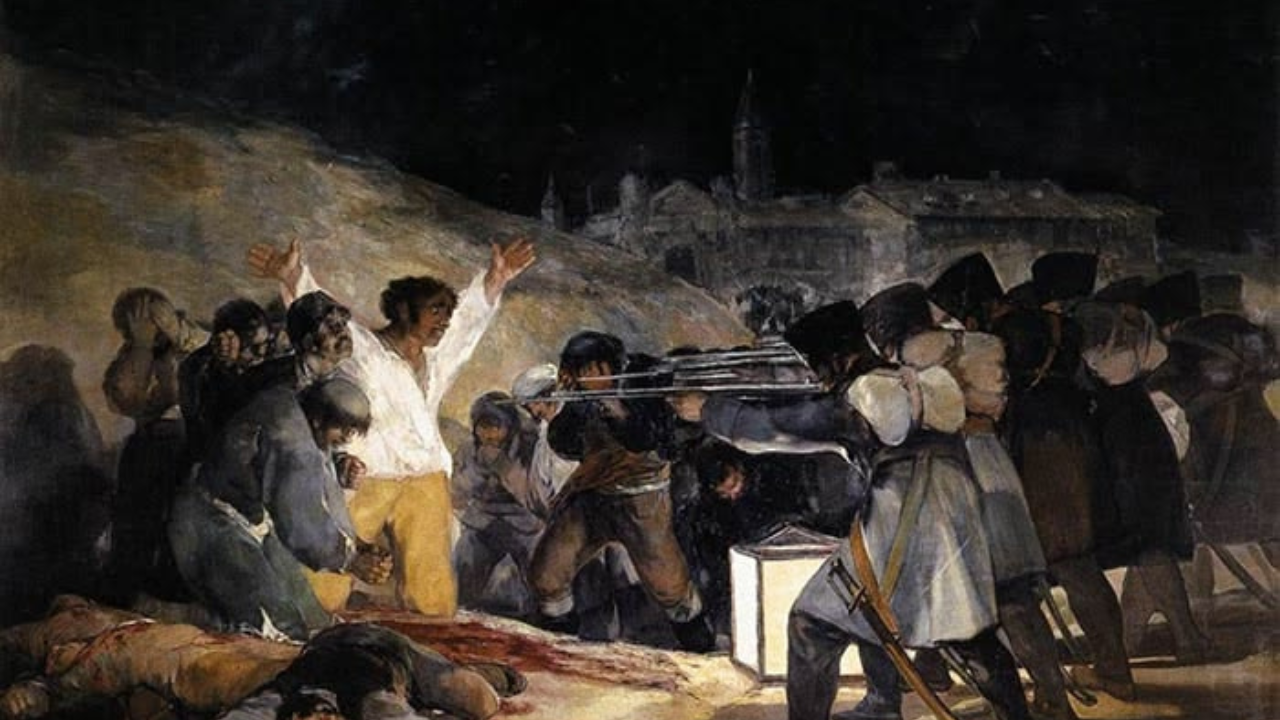
 The Third of May 1808
© Pinterest / Draw Paint Academy

The Third of May 1808

This painting delivers a strong anti-war message. It captures the horror of violence and human suffering. The emotional impact is immediate and lasting.

  • Creator / Artist – Francisco Goya.

  • Year / Time Period – 1814.

  • Origin / Location – Spain; Prado Museum.

  • Historical Context – Depicts executions during the Napoleonic wars.

  • Significance / Impact – Considered one of the first modern war paintings.

  • Interesting Fact – Uses light to highlight the central victim.

9
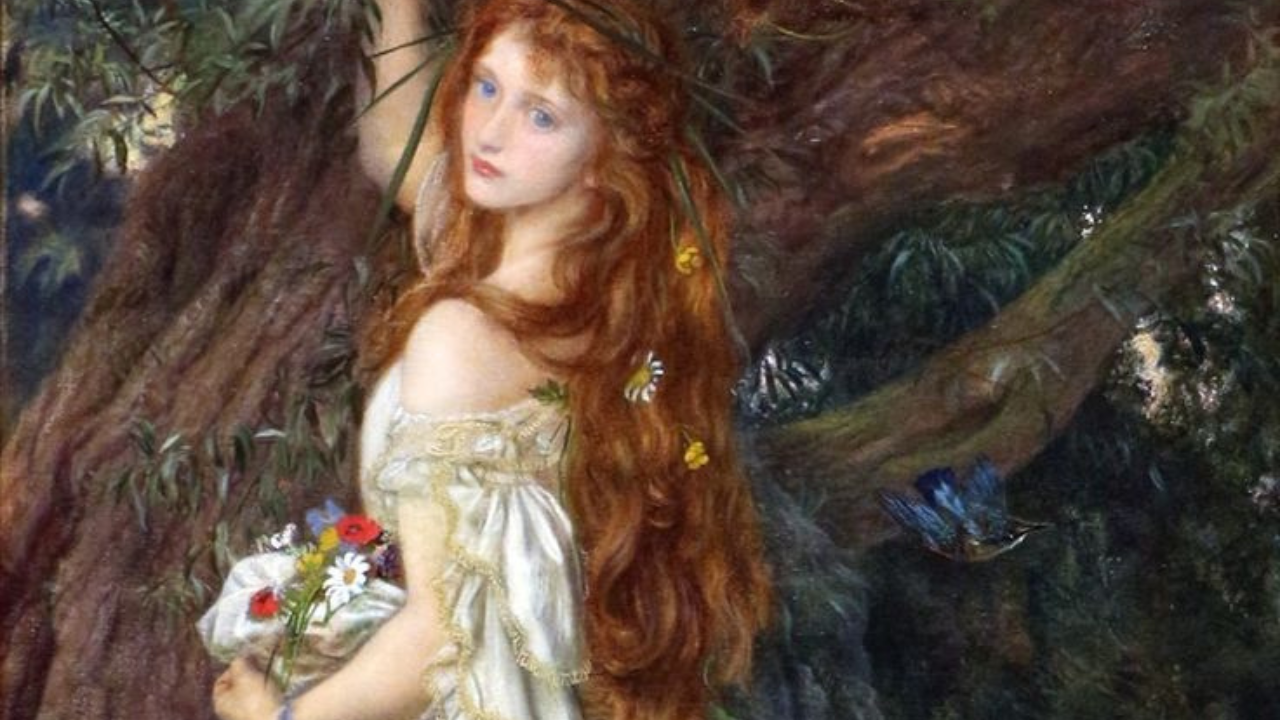
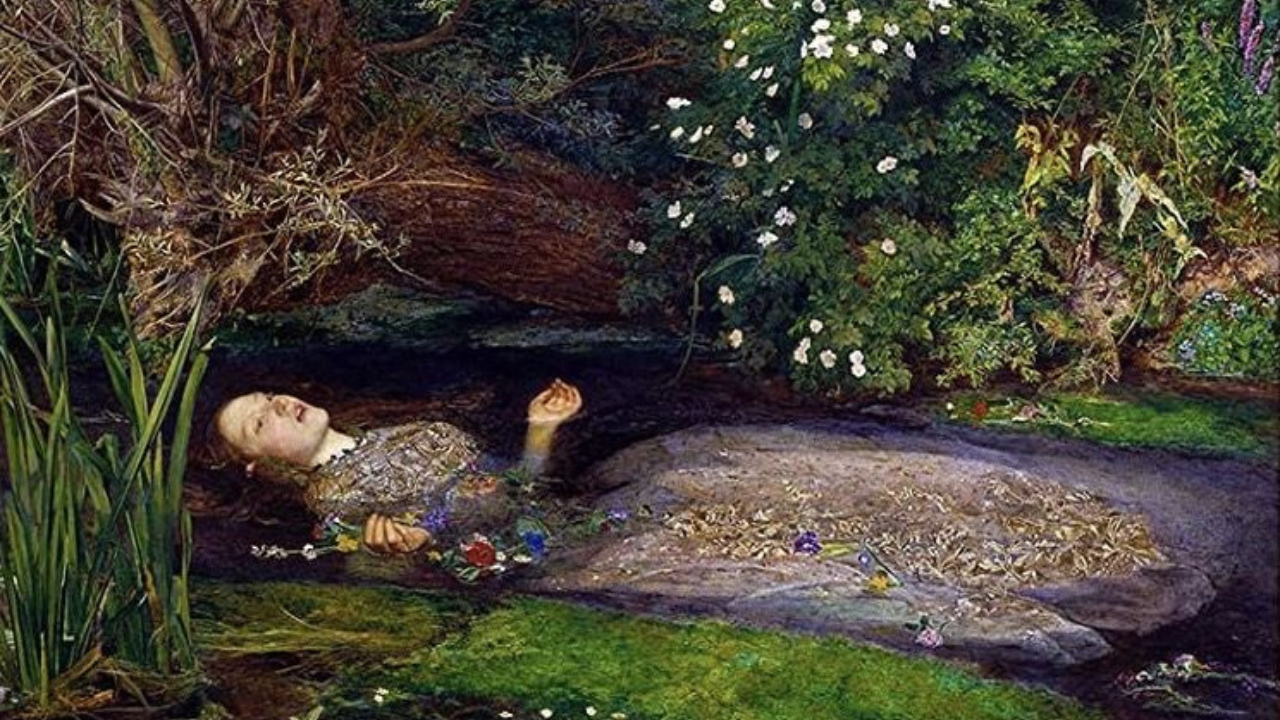
Ophelia
© Pinterest / Arthur Hughes

Ophelia

This delicate painting combines beauty and tragedy. Its detailed natural setting contrasts with the emotional subject. It creates a haunting yet serene mood.

  • Creator / Artist – John Everett Millais, a Pre-Raphaelite artist.

  • Year / Time Period – 1851–1852.

  • Origin / Location – UK; Tate Britain.

  • Historical Context – Based on Shakespeare’s Hamlet.

  • Significance / Impact – Famous for its realism and symbolism.

Interesting Fact – The model posed in a cold bath for hours.  

10
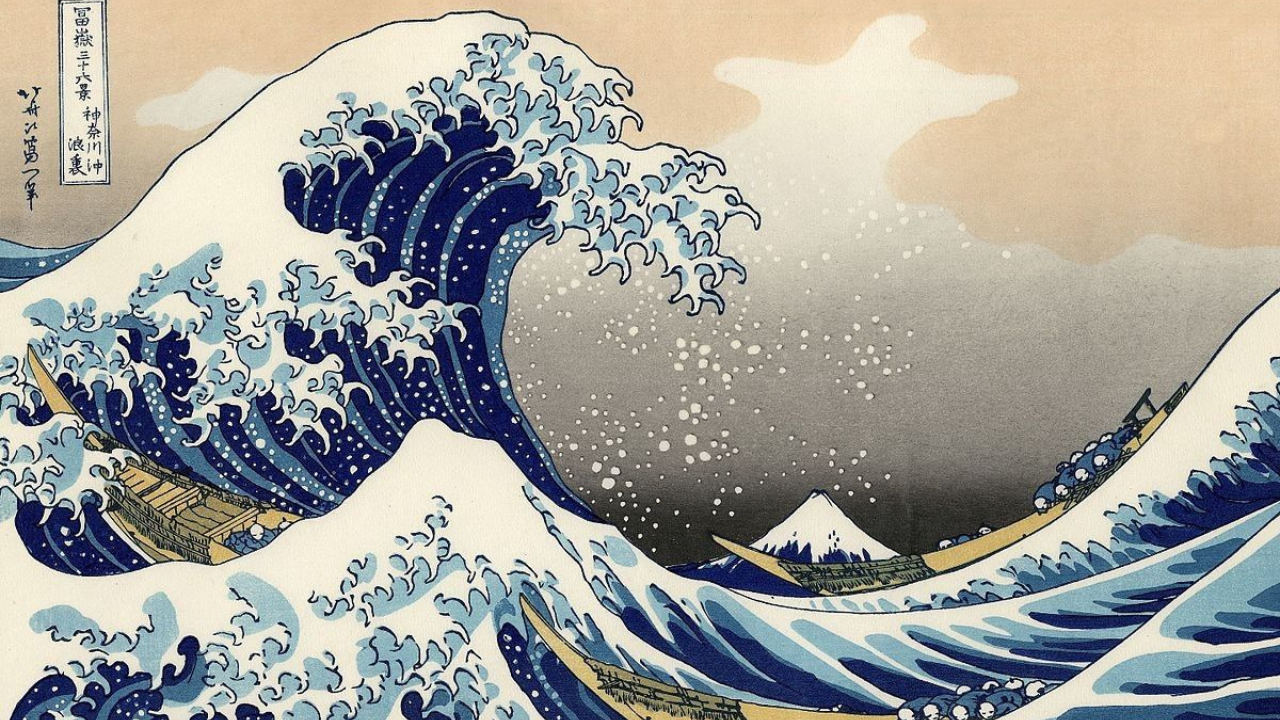
The Great Wave off Kanagawa
© Pinterest / Sabrina

The Great Wave off Kanagawa

This iconic print captures the power of nature. The dramatic wave dominates the scene, creating tension and energy. It is both beautiful and powerful.

  • Creator / Artist – Katsushika Hokusai, a renowned Japanese artist.

  • Year / Time Period – c. 1831.

  • Origin / Location – Japan.

  • Historical Context – Part of Edo-period Japanese art.

  • Significance / Impact – Influenced Western Romantic artists.

  • Interesting Fact – The wave resembles a claw-like shape.

11
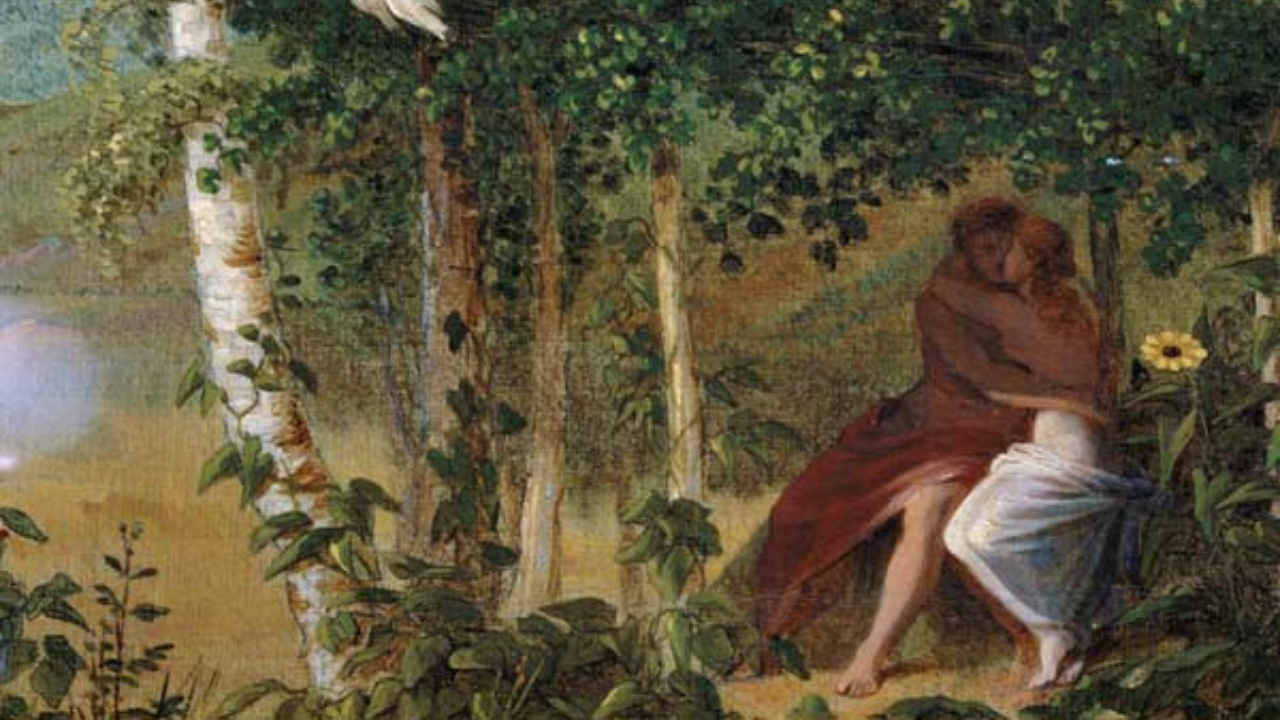
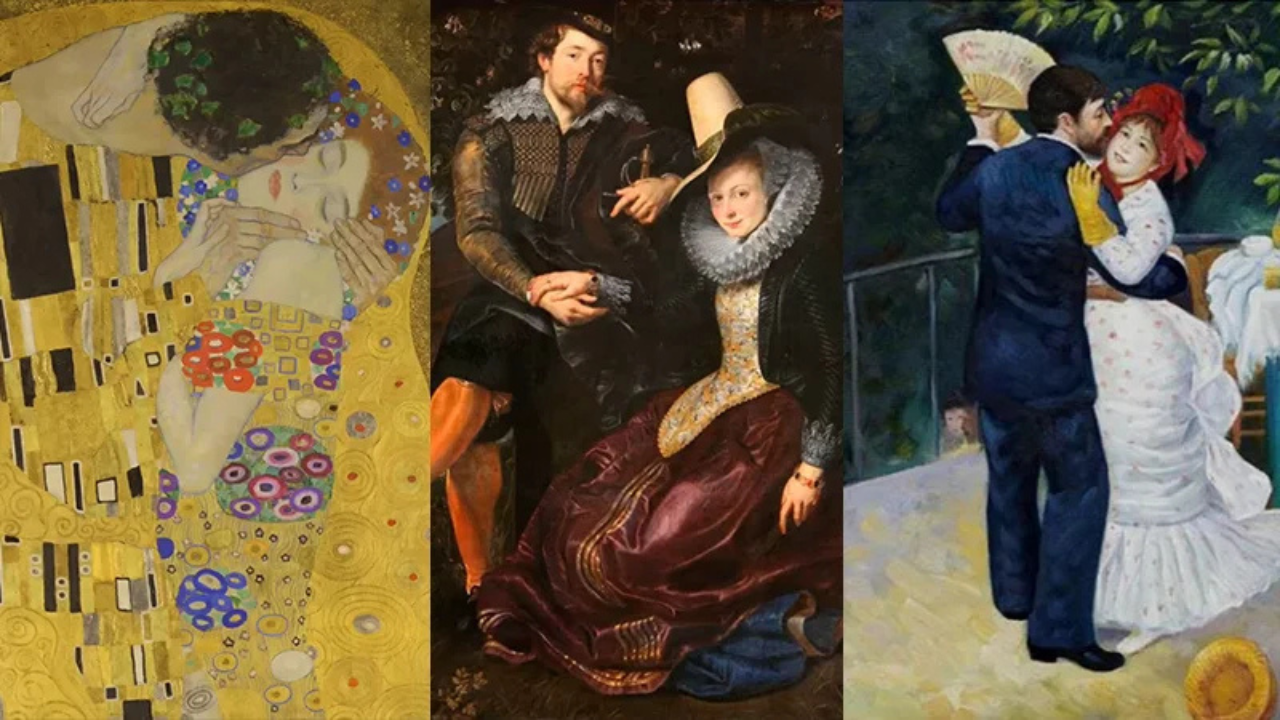
The Lovers
© @Myartprints

The Lovers

This intimate and tender painting captures a quiet moment between two figures, emphasizing emotional connection over dramatic action. The soft lighting and gentle composition create a sense of warmth, closeness, and human vulnerability. It reflects Romanticism’s focus on personal emotion and the beauty of private moments.
  • Creator / Artist – Caspar David Friedrich, known for blending human figures with emotional depth and symbolic meaning.
  • Year / Time Period – Early 19th century (c. 1810–1820).

  • Origin / Location – Germany.

  • Historical Context – Reflects Romantic ideals of love, introspection, and emotional expression beyond grand historical scenes.

  • Significance / Impact – Highlights the quieter side of Romanticism, focusing on intimacy rather than spectacle.

  • Interesting Fact – Friedrich often painted figures from behind to invite viewers into the emotional experience.
12
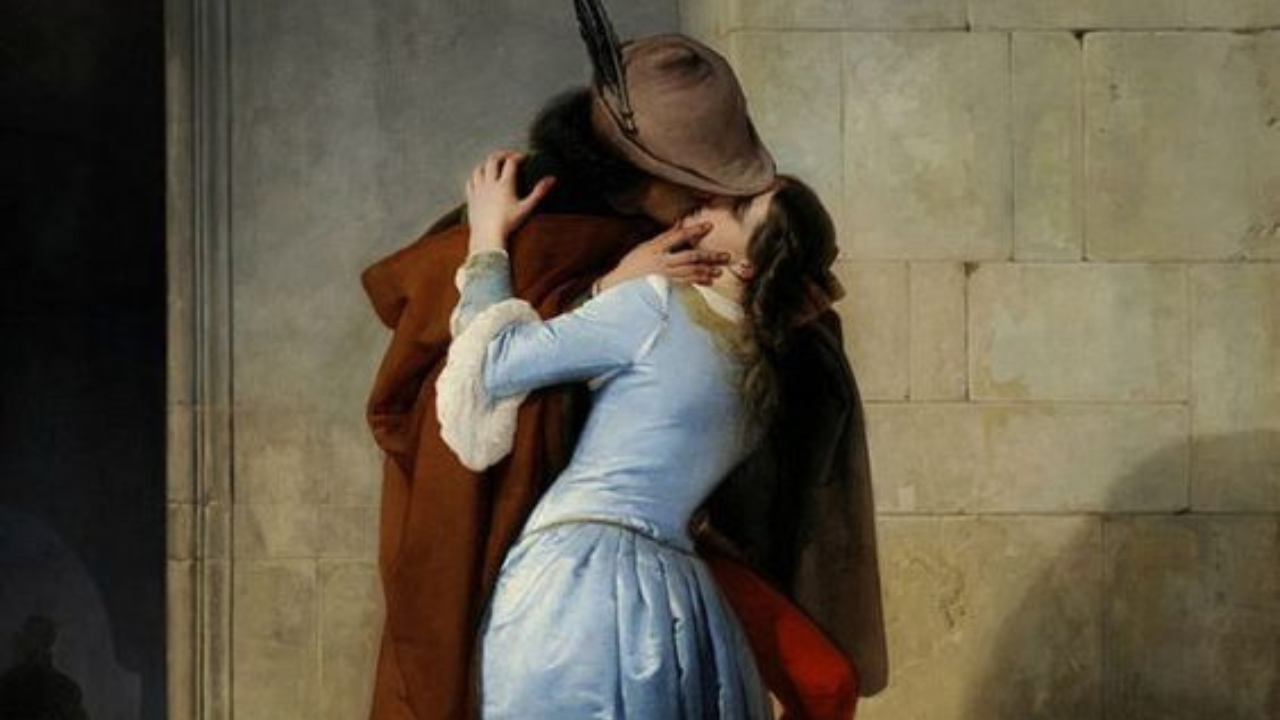
 The Kiss
© Pinterest / Mantyhose Çorap

The Kiss

This painting represents love and intimacy. Its golden tones and composition are visually striking. It also carries deeper symbolic meaning.

  • Creator / Artist – Francesco Hayez.

  • Year / Time Period – 1859.

  • Origin / Location – Italy; Milan.

  • Historical Context – Linked to Italian unification movement.

  • Significance / Impact – Symbol of love and nationalism.

  • Interesting Fact – Seen as a political message.

13
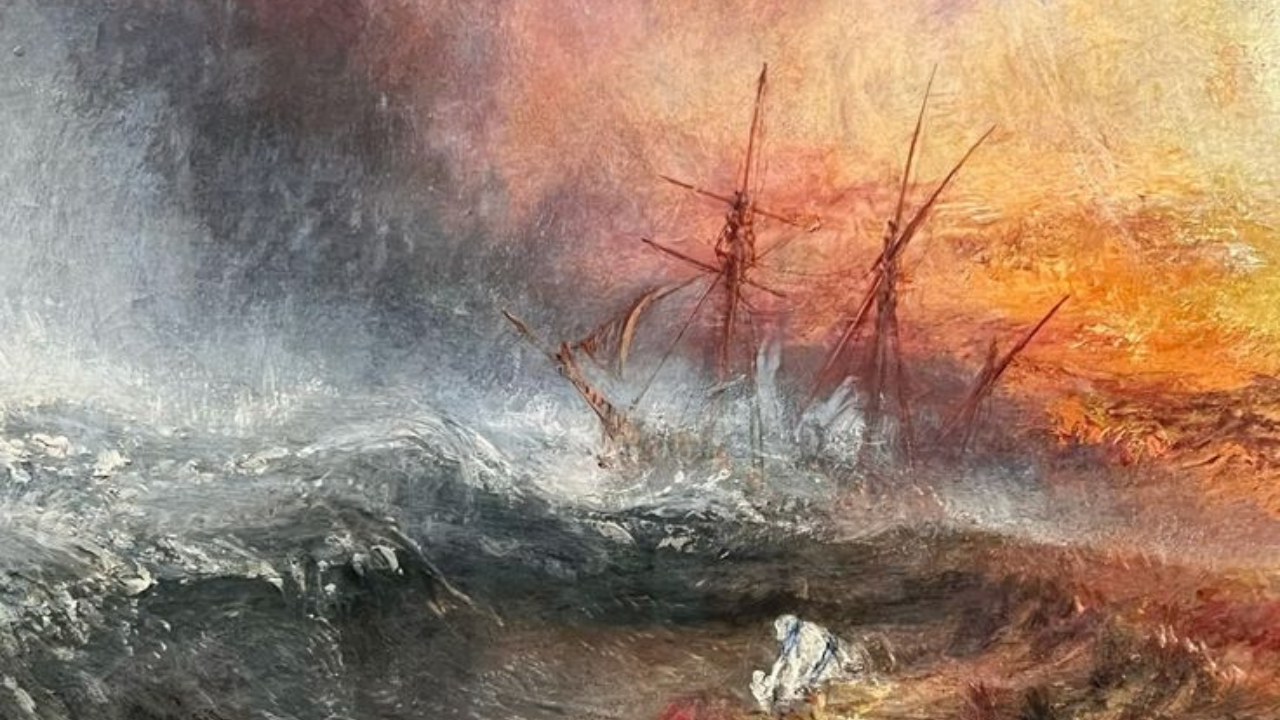
The Slave Ship
© Pinterest / Olivia Niuman

The Slave Ship

This dramatic work highlights human cruelty and suffering. It uses color and motion to create emotional intensity. The stormy scene feels chaotic and overwhelming.

  • Creator / Artist – J.M.W. Turner.

  • Year / Time Period – 1840.

  • Origin / Location – UK; Museum of Fine Arts, Boston.

  • Historical Context – Inspired by the abolition of slavery.

  • Significance / Impact – Powerful anti-slavery statement.

  • Interesting Fact – Inspired by a real historical event.

14
The Wreck of the Hope
© Pinterest / Etsy

The Wreck of the Hope

A haunting image of human struggle against nature. The icy landscape feels dangerous and unforgiving. It captures isolation and survival.

  • Creator / Artist – Caspar David Friedrich.

  • Year / Time Period – 1823–1824.

  • Origin / Location – Germany.

  • Historical Context – Reflects exploration and danger.

  • Significance / Impact – Represents human vulnerability.

  • Interesting Fact – Inspired by Arctic expeditions.

15
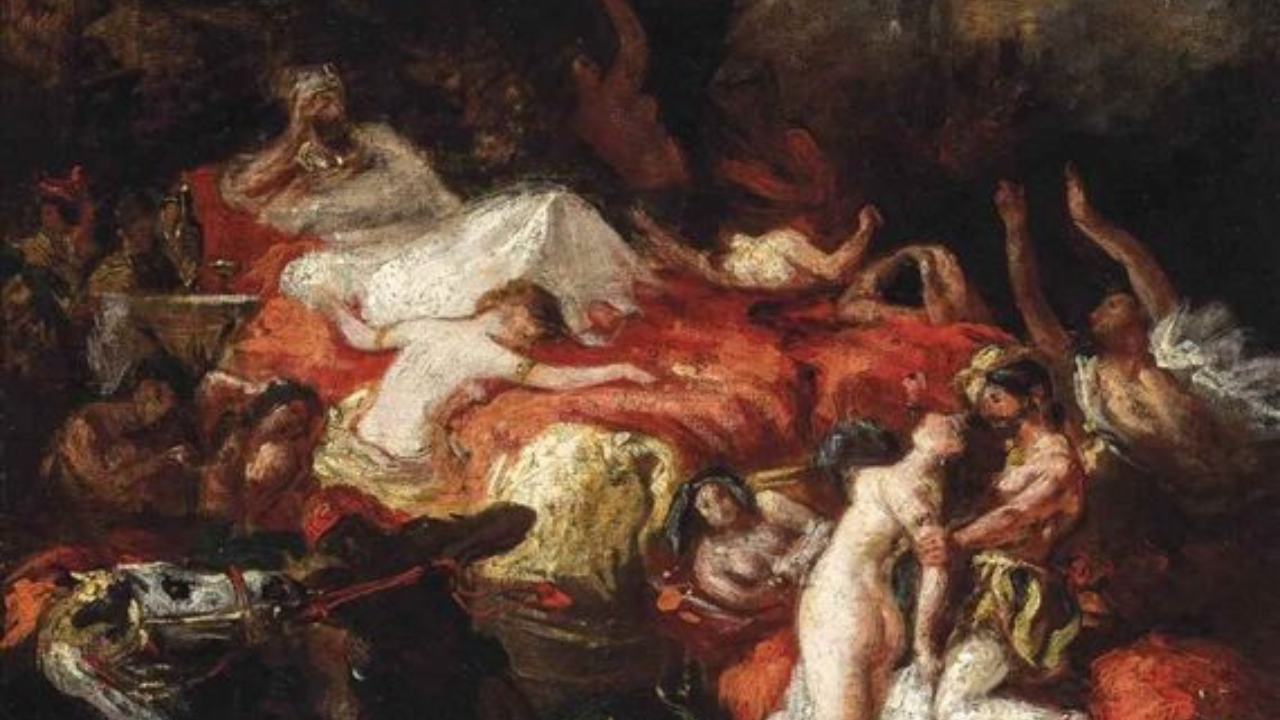
The Death of Sardanapalus
© Pinterest / MutualArt.com

The Death of Sardanapalus

This dramatic painting shows chaos and destruction. It is full of movement and vivid color. The scene feels intense and theatrical.

  • Creator / Artist – Eugène Delacroix.

  • Year / Time Period – 1827.

  • Origin / Location – France; Louvre.

  • Historical Context – Inspired by a historical/legendary ruler.

  • Significance / Impact – Embodies Romantic drama and excess.

  • Interesting Fact – Was controversial when first exhibited.

16
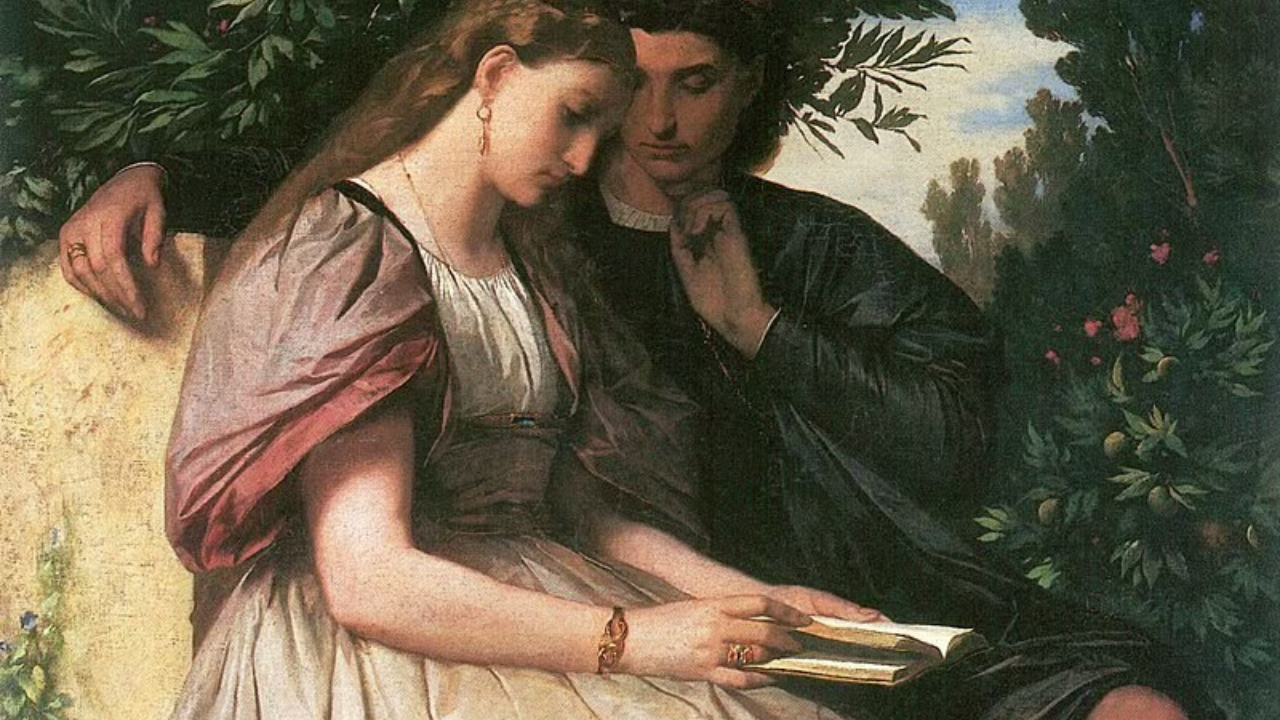
Paolo and Francesca
© Pinterest / Wikimedia Foundation

Paolo and Francesca

This deeply emotional painting captures a tragic moment of forbidden love. The swirling movement and soft yet dramatic composition create a sense of passion mixed with doom. It beautifully reflects Romanticism’s fascination with love, fate, and intense human emotion.

  • Creator / Artist – Ary Scheffer, known for literary and emotional subjects.
  • Year / Time Period – 1855 (one of several versions).
  • Origin / Location – France; Musée du Louvre (version held there).
  • Historical Context – Inspired by The Divine Comedy, where the lovers are condemned for their affair.
  • Significance / Impact – A classic example of Romantic tragic love, blending literature and visual art.
  • Interesting Fact – The couple is shown in an eternal embrace, symbolizing love that survives even punishment.
17
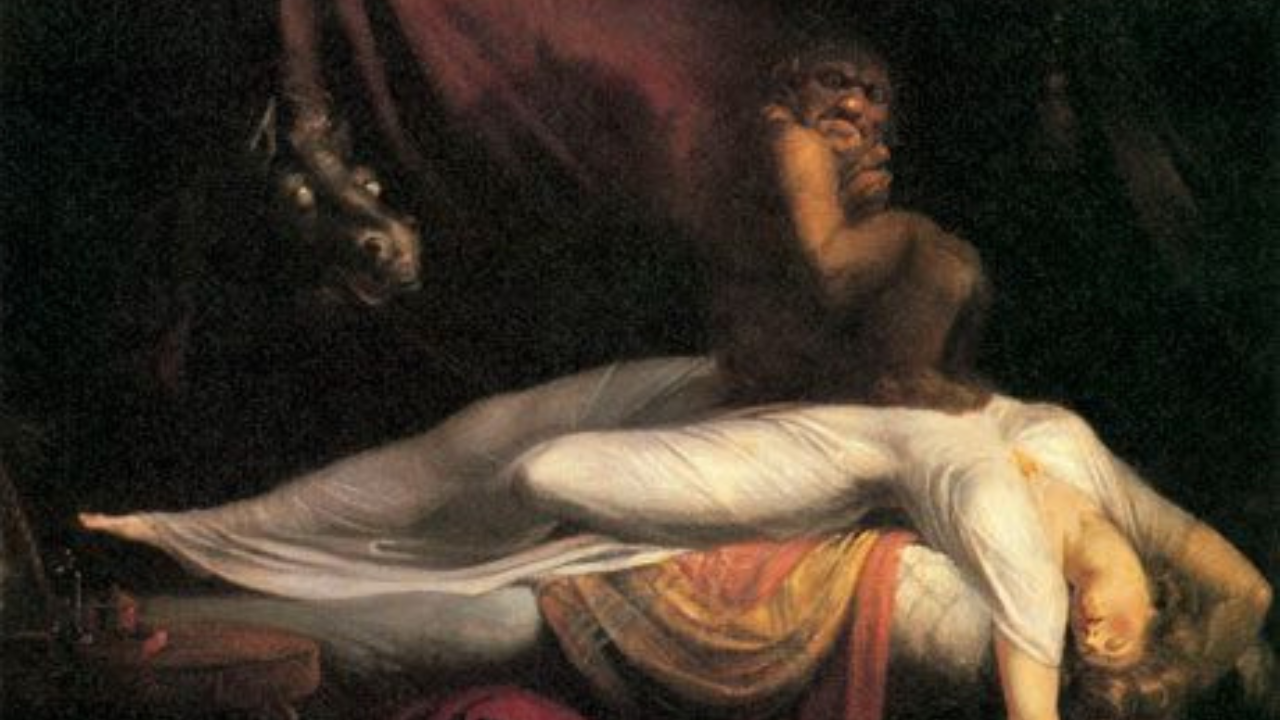
The Nightmare
© Pinterest / Blues Cheese

The Nightmare

This haunting and emotionally intense painting explores the darker side of human imagination. It blends dreamlike horror with sensuality, creating a deeply unsettling yet fascinating scene. The dramatic composition and eerie atmosphere make it one of the most memorable works connected to early Romantic themes.

  • Creator / Artist – Henry Fuseli, known for his fascination with dreams, mythology, and the supernatural.
  • Year / Time Period – 1781.
  • Origin / Location – UK; Detroit Institute of Arts (one famous version).
  • Historical Context – Reflects growing Romantic interest in the subconscious, nightmares, and psychological depth.
  • Significance / Impact – Became an iconic image of horror and influenced Gothic literature and later Romantic artists.
  • Interesting Fact – The incubus sitting on the woman’s chest symbolizes sleep paralysis and nightmares.
18
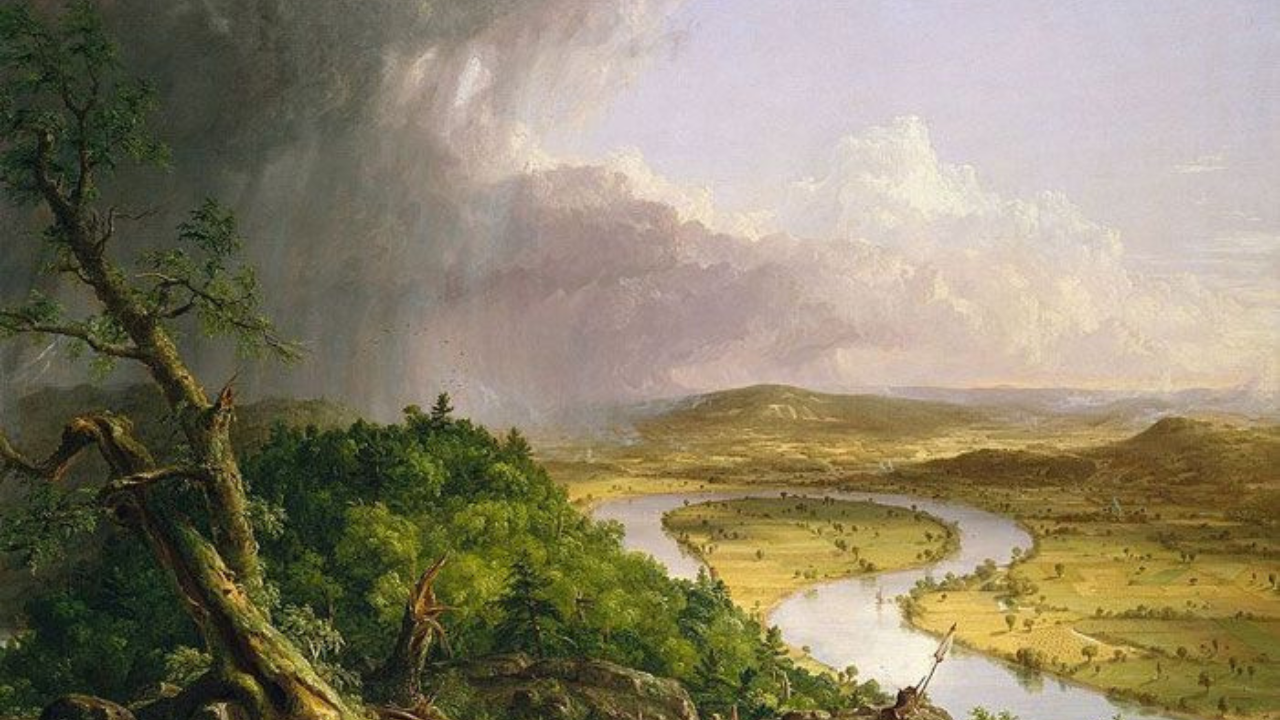
The Oxbow
© Pinterest / ModelsPark

The Oxbow

This painting contrasts wilderness with civilization. It shows two sides of nature in a single frame. The composition is both symbolic and balanced.

  • Creator / Artist – Thomas Cole, founder of the Hudson River School.

  • Year / Time Period – 1836.

  • Origin / Location – USA; Metropolitan Museum of Art.

  • Historical Context – Reflects American expansion.

  • Significance / Impact – Represents nature vs. development.

  • Interesting Fact – Includes a self-portrait of the artist.

19
The Death of Ophelia
© Pinterest / Arthur Hughes

The Death of Ophelia

This emotional piece portrays tragic beauty. It focuses on nature and human fragility. The scene is calm yet sorrowful.

  • Creator / Artist – Delacroix.

  • Year / Time Period – 1840.

  • Origin / Location – France.

  • Historical Context – Inspired by literature.

  • Significance / Impact – Deep emotional storytelling.

  • Interesting Fact – Multiple versions exist.

20
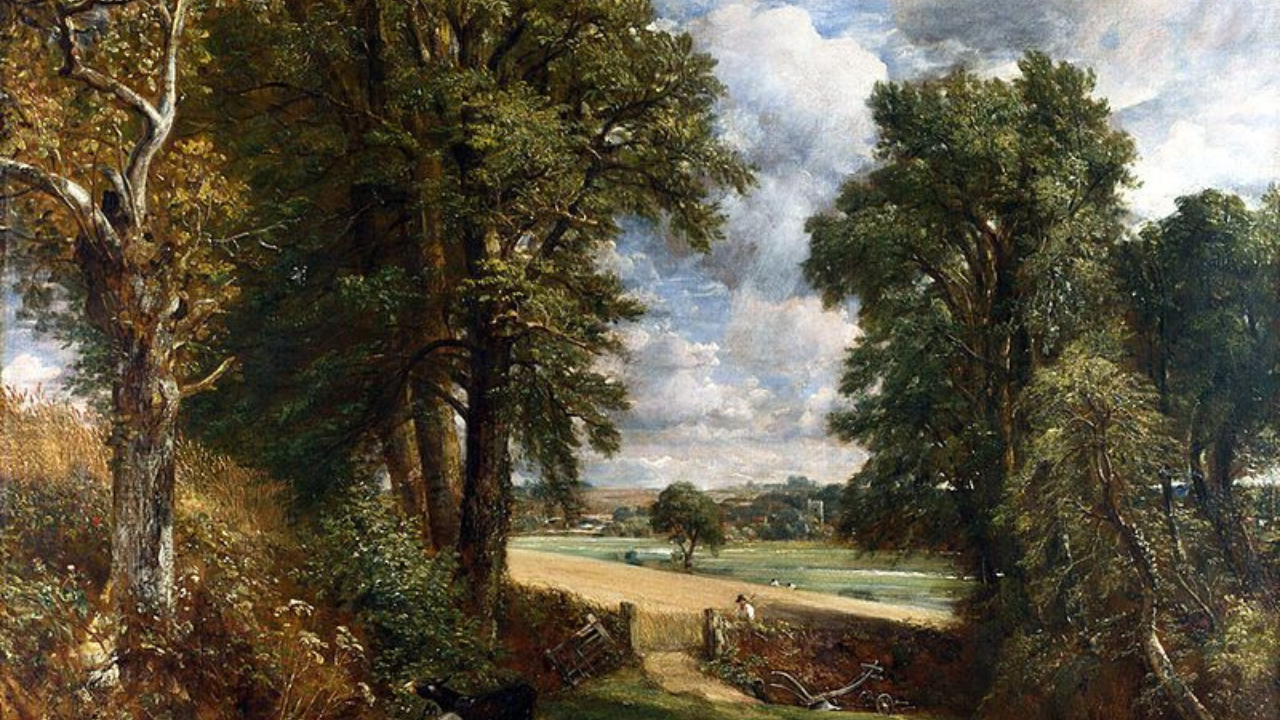
The Cornfield
© Pinterest / angela rubino

The Cornfield

This serene painting captures rural life and natural beauty. It reflects calmness and harmony with nature. The soft light creates a peaceful mood.

  • Creator / Artist – John Constable.

  • Year / Time Period – 1826.

  • Origin / Location – UK; National Gallery.

  • Historical Context – During agricultural change.

  • Significance / Impact – Celebrates English countryside.

  • Interesting Fact – Based on real locations. 


Comments (0)

Leave a Reply

No comments yet. Be the first to share your thoughts!