Art and Culture Art and Masterpieces

World’s Most Famous Sculptures and Statues You Must See

Claire Morgan
4.7
April 06, 2026

Sculptures and statues have always been mesmerizing embodiments of human creativity, culture, and belief! Across continents and through the ages, these incredible works of art have immortalized tales of gods, heroes, and entire civilizations, skillfully shaped in stone, metal, and clay. Each piece sparks a sense of devotion, radiates power, and showcases artistic genius that continues to captivate us today. From the breathtaking wonders of ancient artisans who carved masterpieces without modern tools to the bold, groundbreaking creations of contemporary artists, these sculptures not only reflect our history but also ignite the spirit of humanity itself!
1
The Timeless Power of Monumental Art
© Shutterstock/ Galyna Andrushko

The Timeless Power of Monumental Art

What makes sculptures so captivating is their ability to transcend time. Unlike paintings or written records, these three-dimensional works interact with space, light, and the viewer in a physical way. They are not just objects to observe; they are experiences to walk around, touch, and feel. Whether carved from marble, molded from bronze, or constructed from modern materials, each piece conveys a story that reflects the era and the people who created it.

2
Statue of Liberty
© Shutterstock/ Volodymyr TVERDOKHLIB

Statue of Liberty

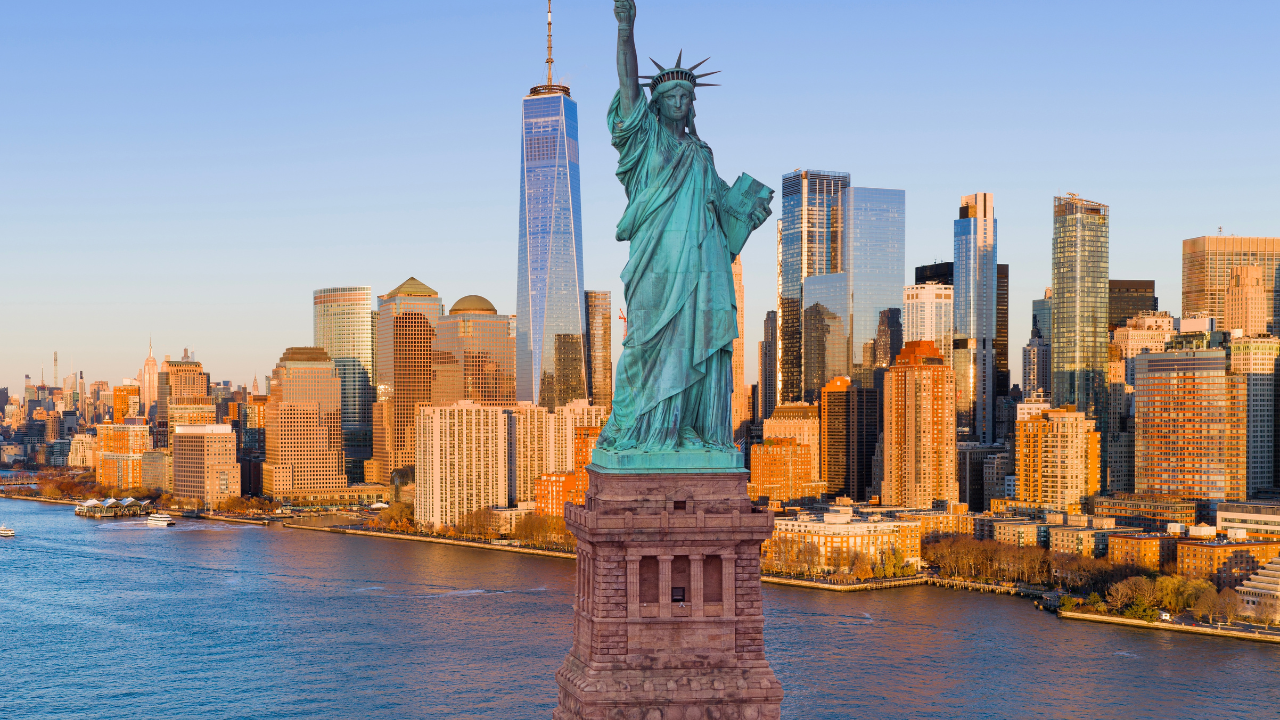
The Statue of Liberty stands proudly in New York Harbor, on Liberty Island, one of the most recognized locations in the world. Surrounded by water and facing the bustling city of New York, it creates a powerful first impression for visitors arriving by ferry. The site itself has deep symbolic meaning, as it once welcomed millions of immigrants entering the United States by sea. Today, it is part of a national monument and a major tourist attraction, offering stunning views of the Manhattan skyline and the harbor. The location reinforces the statue’s message of hope, freedom, and new beginnings.

  • Creator / Artist – Frédéric Auguste Bartholdi, with engineering by Gustave Eiffel

  • Year / Time Period – 1886

  • Origin / Location – Liberty Island, New York, USA

  • Historical Context – Gift from France to celebrate American independence and friendship

  • Significance / Impact – A universal symbol of freedom, democracy, and opportunity

  • Interesting Fact – Its copper exterior turned green over time due to oxidation  
3
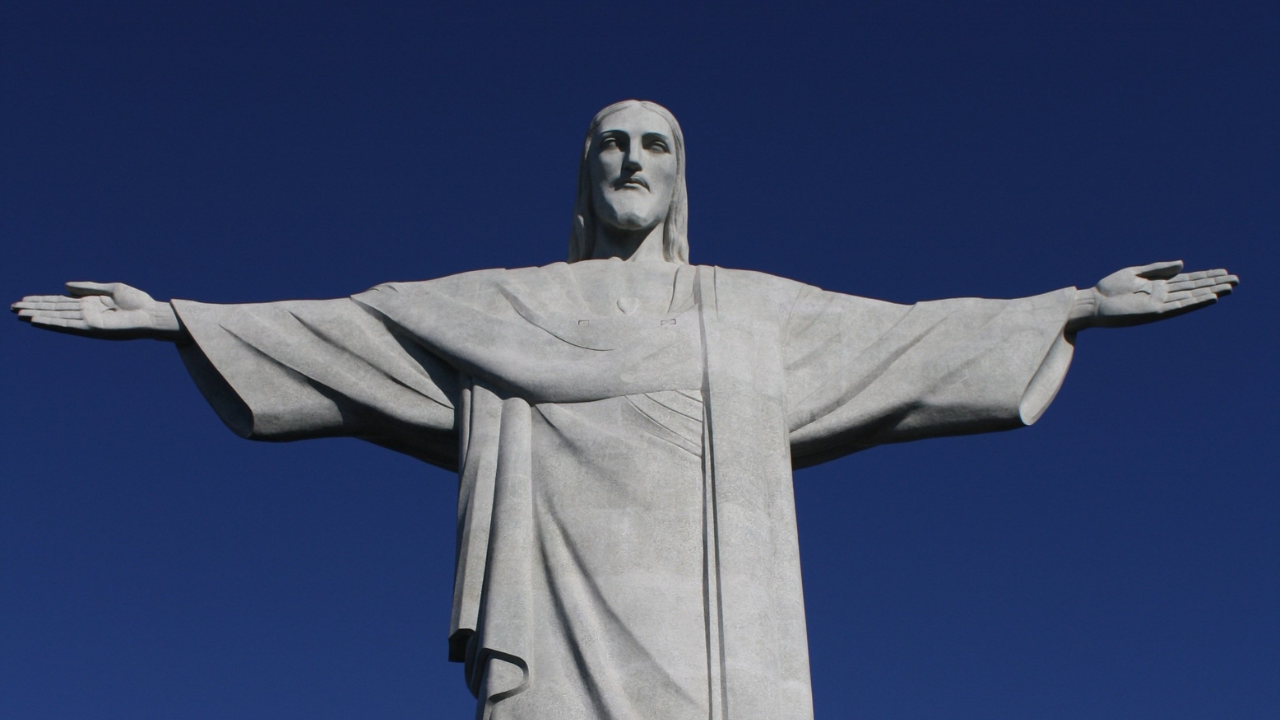
Christ the Redeemer
© Pixabay / danilarrifotografia0

Christ the Redeemer

Perched high above the city, Christ the Redeemer overlooks Rio de Janeiro from the peak of Corcovado Mountain. The location offers breathtaking panoramic views of the city, beaches, and surrounding rainforest. Its elevated position makes the statue visible from almost anywhere in Rio, giving it a commanding and protective presence. The site is part of the Tijuca National Park, blending natural beauty with spiritual significance. This iconic setting enhances the statue’s message of peace and divine protection over the city.

  • Creator / Artist – Paul Landowski, with collaboration from Heitor da Silva Costa and Gheorghe Leonida

  • Year / Time Period – 1931

  • Origin / Location – Corcovado Mountain, Rio de Janeiro, Brazil

  • Historical Context – Built during a period of national identity building in Brazil

  • Significance / Impact – One of the New Seven Wonders of the World and a global Christian symbol

  • Interesting Fact – The statue is frequently struck by lightning and requires regular repairs

4
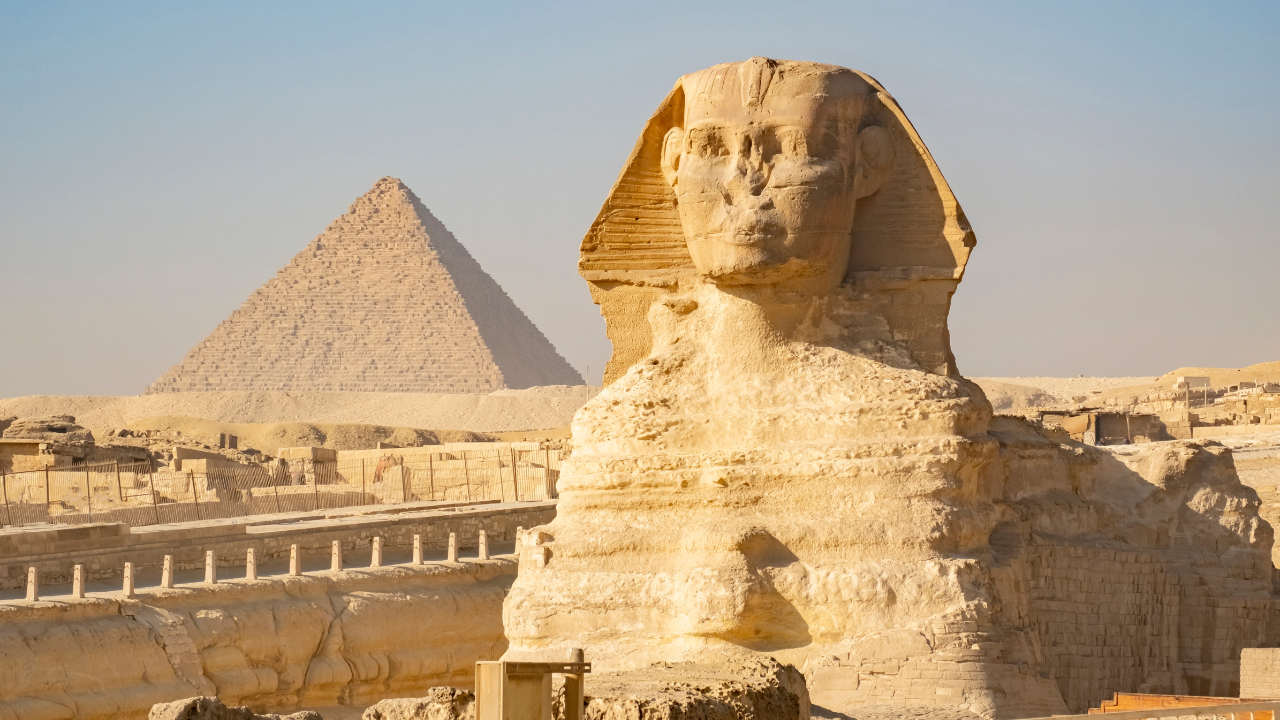
 Great Sphinx of Giza
© Shutterstock/ Denis Klimov 3000

Great Sphinx of Giza

The Great Sphinx stands on the Giza Plateau, near the iconic pyramids of Egypt, in a vast desert landscape. This ancient site has been a center of human civilization for thousands of years and remains one of the most visited archaeological areas in the world. The Sphinx overlooks the Nile Valley, linking it to the life-giving river that sustained ancient Egyptian society. Its setting in the desert enhances its mysterious and timeless presence, as it has watched over the land for millennia.

  • Creator / Artist – Likely commissioned under Pharaoh Khafre

  • Year / Time Period – Around 2500 BCE

  • Origin / Location – Giza Plateau, Egypt

  • Historical Context – Built during the Old Kingdom when pharaohs were seen as divine rulers

  • Significance / Impact – One of the oldest and largest monolithic statues in the world

  • Interesting Fact – Its missing nose has led to centuries of speculation and theories

5
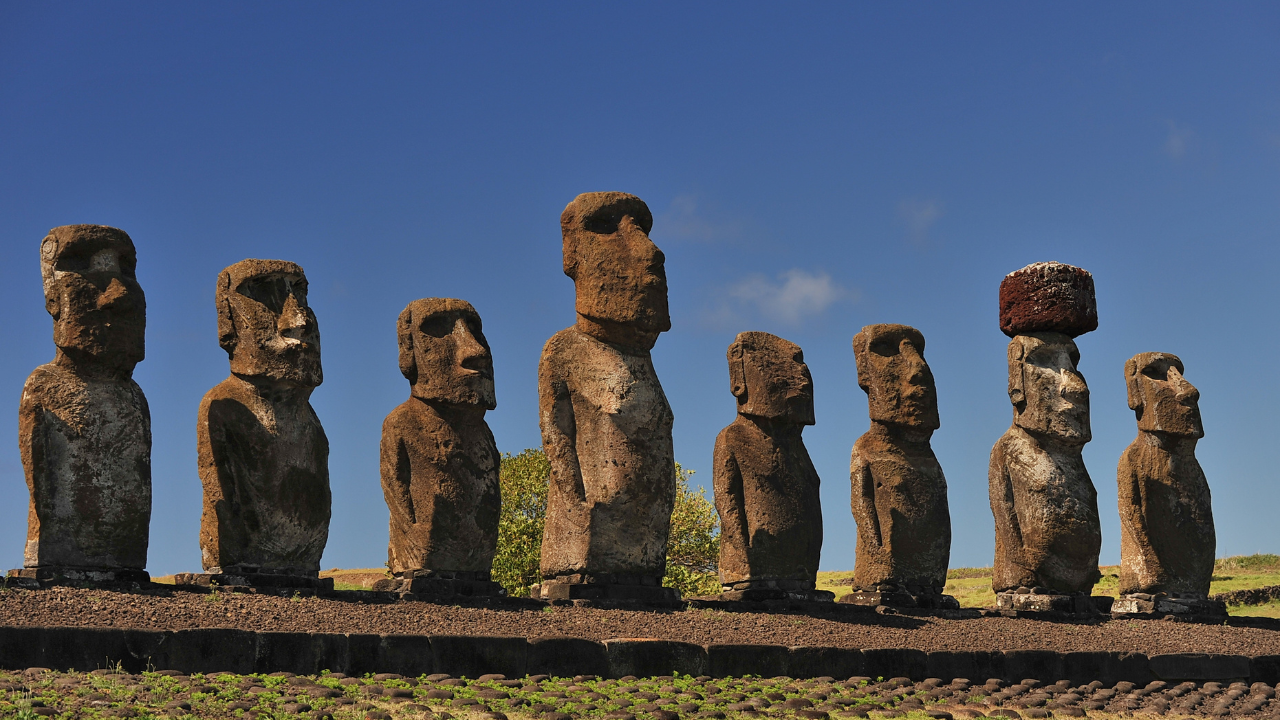
 Moai Statues of Easter Island
© Shutterstock / AlexUm5

Moai Statues of Easter Island

The Moai statues are spread across Easter Island, a remote and isolated island in the Pacific Ocean. This UNESCO World Heritage Site is one of the most remote inhabited places on Earth, adding to the mystery surrounding the statues. Many Moai are positioned along the coastline, facing inward toward the island’s villages, as if watching over the people. The rugged volcanic terrain and isolation make the location both dramatic and historically significant. The environment played a key role in shaping the culture and beliefs of the Rapa Nui people.

  • Creator / Artist – Rapa Nui people of Easter Island

  • Year / Time Period – 1250–1500 CE

  • Origin / Location – Easter Island (Rapa Nui), Chile

  • Historical Context – Created to honor ancestors and spiritual leaders

  • Significance / Impact – A remarkable example of Polynesian culture and engineering

  • Interesting Fact – Many statues are buried deep, with only their heads visible  
6
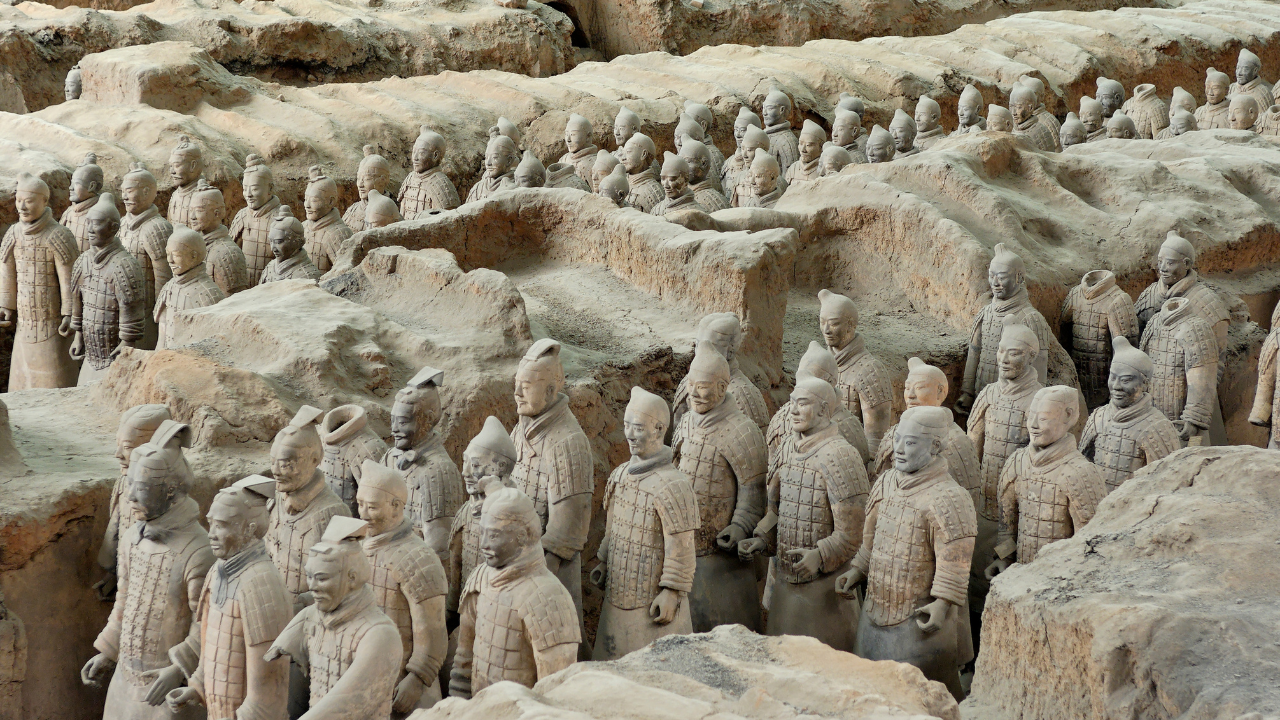
Terracotta Army
© Shutterstock/ Robert Harding Video

Terracotta Army

The Terracotta Army is located near the city of Xi’an in China, within the vast mausoleum complex of the first emperor, Qin Shi Huang. The site is one of the most important archaeological discoveries in history, drawing millions of visitors each year. The underground pits where the soldiers are buried create a sense of awe, as they reveal rows upon rows of life-sized figures. This location reflects the power and ambition of the Qin Dynasty, showcasing imperial authority and belief in the afterlife. The site continues to be excavated, revealing new secrets over time.

  • Creator / Artist – Commissioned by Emperor Qin Shi Huang with thousands of craftsmen

  • Year / Time Period – Around 210–209 BCE

  • Origin / Location – Xi’an, China

  • Historical Context – Built to protect the emperor in the afterlife

  • Significance / Impact – One of the greatest archaeological finds of the 20th century

  • Interesting Fact – Each soldier has unique facial features and expressions

7
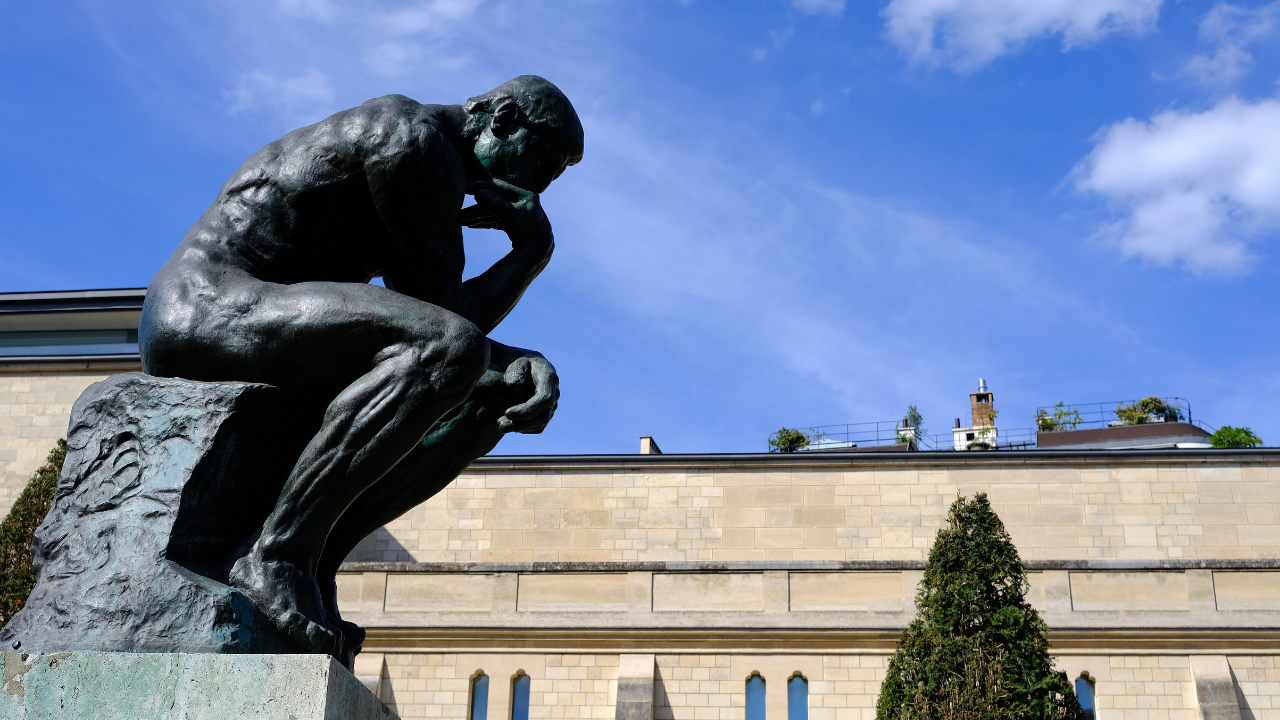
The Thinker
© Shutterstock/ MeSamong

The Thinker

The Thinker is displayed in several locations worldwide, with famous versions housed in museums and outdoor spaces, including Paris. One well-known version stands in the gardens of the Musée Rodin, offering a peaceful and reflective environment. The setting enhances the sculpture’s theme of deep contemplation, as visitors can observe it up close in a quiet garden atmosphere. Its placement in art institutions allows it to be appreciated as part of broader collections of modern sculpture.

  • Creator / Artist – Auguste Rodin

  • Year / Time Period – 1902

  • Origin / Location – Various locations; notable version in Paris, France

  • Historical Context – Originally part of The Gates of Hell, inspired by Dante’s work

  • Significance / Impact – Symbol of philosophy, thought, and human introspection

  • Interesting Fact – It was originally intended to represent the poet Dante himself

8
Pietà
© Shutterstock/ Jesus Cervantes Recently

Pietà

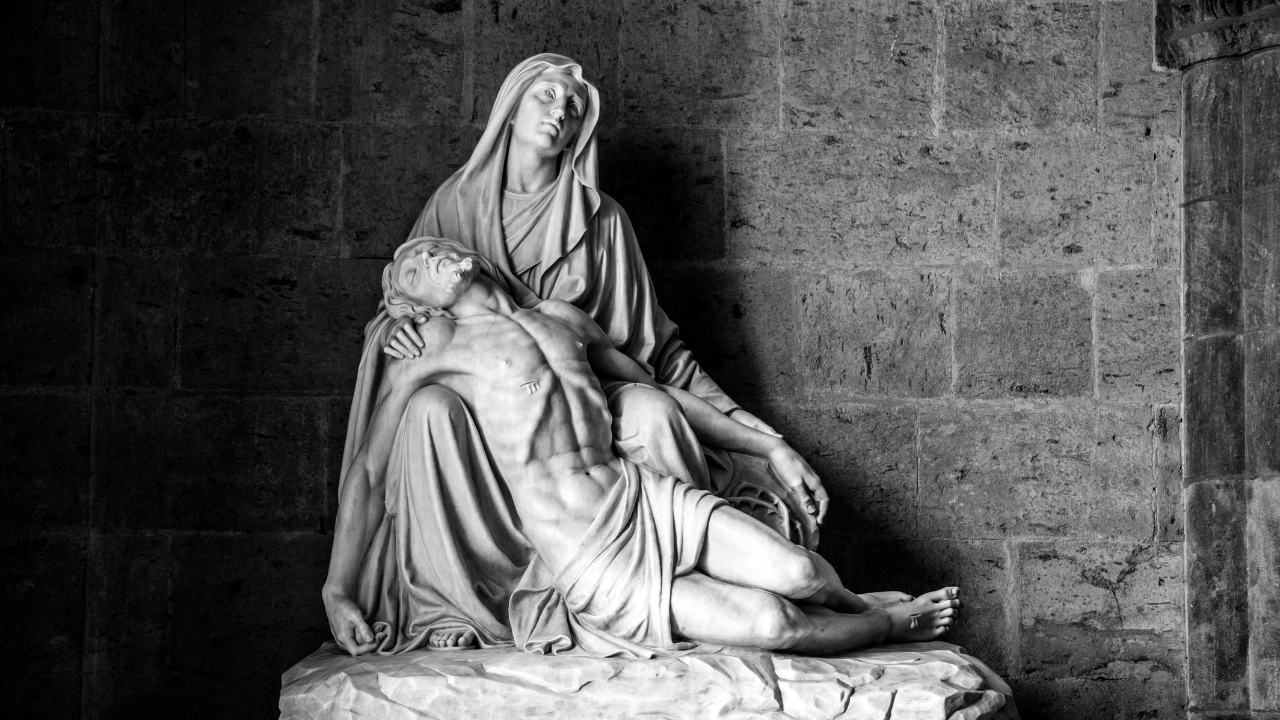
The Pietà is housed inside St. Peter’s Basilica in Vatican City, one of the most sacred and visited religious sites in the world. The basilica itself is an architectural masterpiece, filled with religious art and historical significance. The statue is displayed in a protected area, drawing pilgrims and tourists who come to admire its emotional depth. The sacred environment enhances the spiritual meaning of the sculpture, making it a powerful representation of faith and devotion.

  • Creator / Artist – Michelangelo

  • Year / Time Period – 1499

  • Origin / Location – St. Peter’s Basilica, Vatican City

  • Historical Context – Created during the Renaissance, emphasizing humanism and religious expression

  • Significance / Impact – A masterpiece of emotional realism in sculpture

  • Interesting Fact – It is the only artwork Michelangelo ever signed

9
 Cloud Gate (“The Bean”)
© Wikipedia / Anish Kapoor

Cloud Gate (“The Bean”)

Cloud Gate is located in Millennium Park in Chicago, a vibrant public space in the heart of the city. The park itself is a hub for art, music, and community events, making it a lively and modern setting. The sculpture reflects the surrounding skyline, blending the artwork with its urban environment. Visitors often interact with the sculpture, taking photos and seeing distorted reflections of themselves and the city. Its location makes it one of the most photographed public artworks in the United States.

  • Creator / Artist – Anish Kapoor

  • Year / Time Period – 2006

  • Origin / Location – Millennium Park, Chicago, USA

  • Historical Context – Part of a city revitalization project

  • Significance / Impact – A modern interactive landmark and public art icon

  • Interesting Fact – Made of polished stainless steel with no visible seams

10
Leshan Giant Buddha
© Shutterstock/ tolobalaguer.com

Leshan Giant Buddha

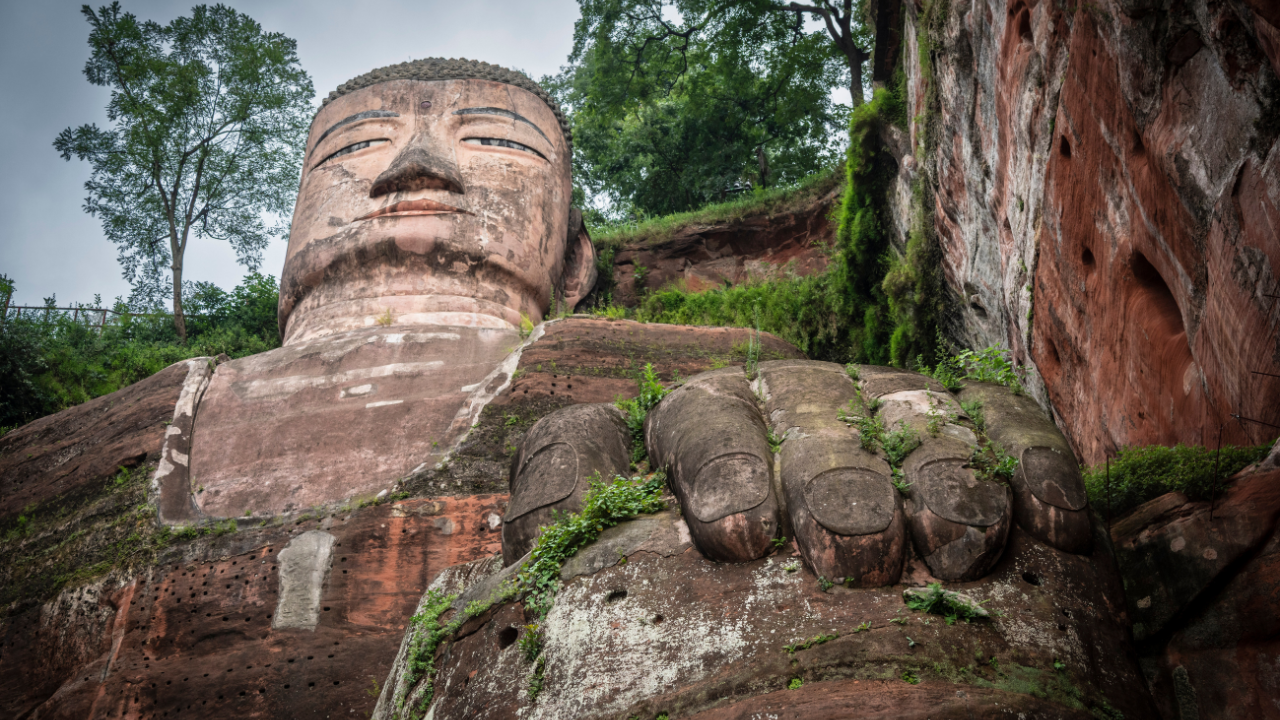
The Leshan Giant Buddha is carved into a cliff face overlooking the confluence of three rivers in Sichuan Province, China. The surrounding area is lush and mountainous, providing a dramatic natural backdrop. The statue faces the river, blending spirituality with the natural environment. Its location was chosen for both religious and practical reasons, as it was believed to calm the turbulent waters below. Today, the site is a major cultural and tourist destination.

  • Creator / Artist – Commissioned by monk Haitong and his disciples

  • Year / Time Period – 713–803 CE

  • Origin / Location – Leshan, Sichuan, China

  • Historical Context – Built to stabilize river currents and protect travelers

  • Significance / Impact – The largest stone Buddha statue in the world

  • Interesting Fact – Its feet alone can accommodate dozens of people standing side by side

11
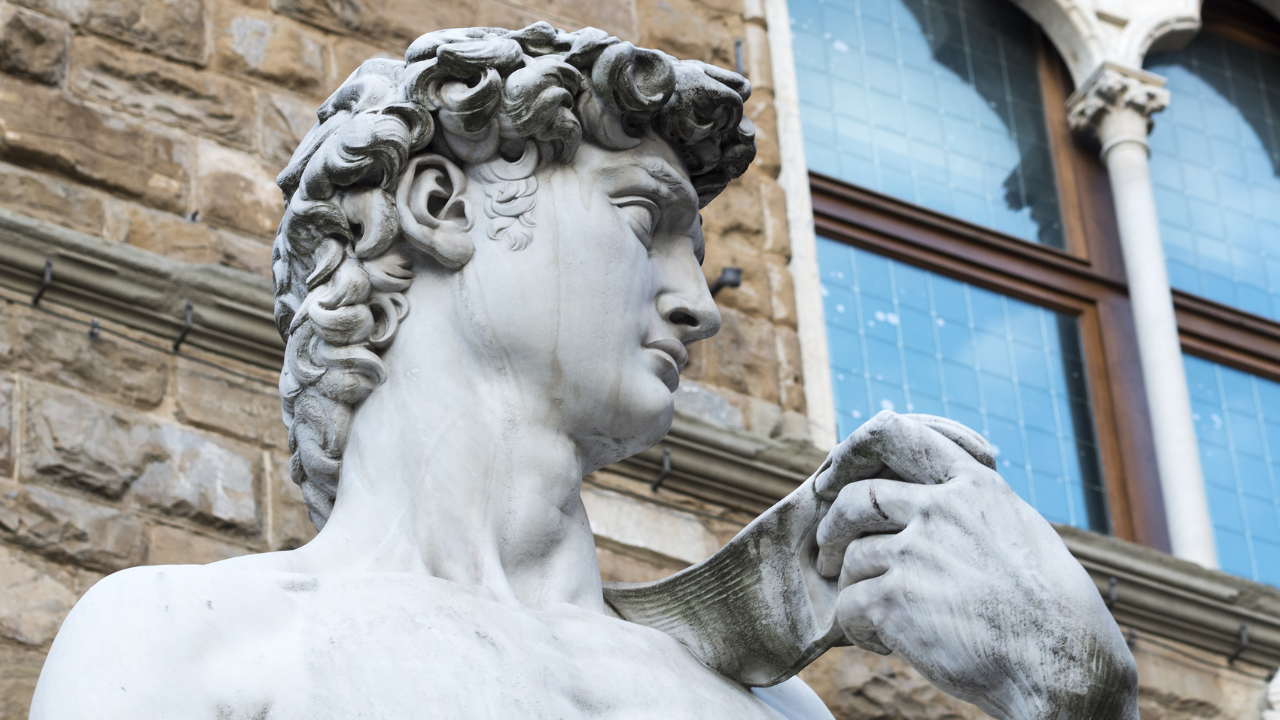
David
© Shutterstock/ Claudio Giovanni Colombo

David

Michelangelo’s David is displayed in the Galleria dell’Accademia in Florence, Italy, a city known as the birthplace of the Renaissance. The museum provides a controlled and intimate setting, allowing visitors to view the sculpture from all angles. Florence itself is a historic center of art, filled with Renaissance architecture and masterpieces. The placement of David within this artistic city enhances its significance as a symbol of human achievement and cultural pride.

  • Creator / Artist – Michelangelo

  • Year / Time Period – 1501–1504

  • Origin / Location – Florence, Italy

  • Historical Context – Symbol of Renaissance ideals and Florentine independence

  • Significance / Impact – One of the most iconic sculptures in art history

  • Interesting Fact – Carved from a single block of marble rejected by other artists


Comments (0)

Leave a Reply

No comments yet. Be the first to share your thoughts!